TIL BDR GHALLEY | Thimphu
The National Assembly conducted the third reading of the amendment on the Reservation of the Convention on the Rights of Persons with Disabilities (CRPD) on 5 December, marking a key step in the country’s ongoing efforts to advance the rights and inclusion of persons with disabilities. The House examined proposed amendments to reservations previously submitted to the United Nations.
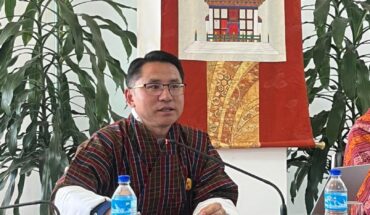
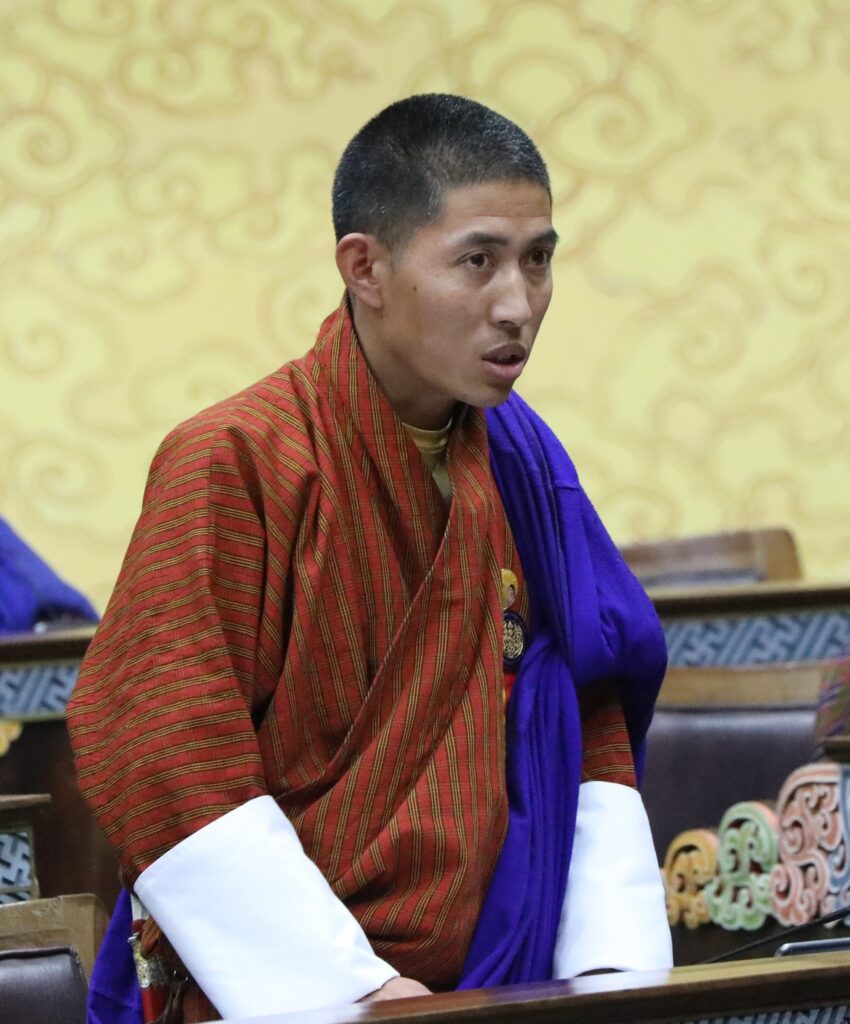
The proposed amendment had been referred to the Women, Children and Youth Committee for detailed review and was presented to the House along with the Committee’s report. MP Lhaba Lhaba, representing Khatoed-Laya and a member of the Committee, outlined the background and rationale for the proposed changes.
Bhutan ratified the CRPD during the 10th Session of the Third Parliament, accompanied by specific reservations. These reservations pertained to Article 18(1)(a) and (2), Article 23(1)(b) and (c), Article 27(1)(c), and Article 29(a)(ii) of the Convention. The reservations were formally communicated to the United Nations on 13 March 2024. Following this, 11 countries—including Austria, Finland, Malta, Germany, Norway, Poland, Romania, Switzerland, the United Kingdom, and the European Union—raised objections to the reservation made by Bhutan.
Article 18, which became central to the parliamentary deliberations, guarantees persons with disabilities the right to liberty of movement and nationality. Specifically, Article 18(1)(a) affirms their freedom to “leave any country, including their own,” while Article 18(2) requires states to issue adequate travel documents and recognize foreign identity papers without discrimination. Bhutan’s reservations in this regard reflect its stringent citizenship and naturalization laws, which are designed to preserve national identity amid historical migration concerns.
Article 23(1)(b) and (c) focuses on the protection of family life, ensuring that persons with disabilities are not excluded from marriage, parenthood, or decisions regarding residence and relationships. Article 27(1)(c) addresses employment, emphasizing access to training, advancement opportunities, and reasonable accommodations—provisions that may conflict with Bhutan’s quota-based public sector employment policies. Article 29(a)(ii) ensures political participation, including voting and candidacy with necessary support, aligning with broader inclusivity objectives.
In June 2025, the government constituted a multi-sector task force to review the reservations comprehensively and assess their compatibility with Bhutan’s domestic legal and policy framework. From June to August 2025, the task force conducted extensive consultations and in-house assessments involving relevant stakeholders, including governmental agencies, civil society organizations, and experts on disability rights.
Following the task force’s recommendations, the Lhengye Zhungtshog endorsed the proposed amendments during its 64th meeting. The amendments were then submitted to the Parliament in accordance with Article 10, Section 25 of Bhutan’s Constitution. This provision mandates parliamentary ratification for international conventions post-2008, ensuring they align with national laws unless constitutionally inconsistent—a mechanism balancing sovereignty with global commitments.
The CRPD is an international human rights treaty designed to promote, protect, and ensure the full and equal enjoyment of all human rights and fundamental freedoms by persons with disabilities. It emphasizes dignity, autonomy, and inclusion for persons with disabilities in all aspects of public and private life.
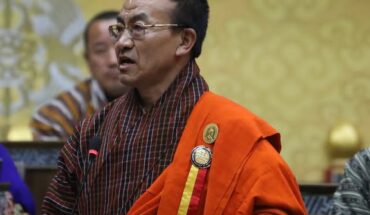
During the parliamentary session, the committee presented its findings and recommendations following a detailed review of the reservations and consultations with relevant ministries and agencies. Deliberations focused primarily on Article 18 and the inclusion of the “naturalization process in Bhutan,” emphasizing the need for clarity and consistency with national legislation.
In response, the House directed the Ministry of Foreign Affairs and External Trade, in collaboration with the committee, to conduct further consultations and submit an updated report before final adoption. The Committee was also instructed to re-examine all four articles under review to ensure the proposed amendments reflect both international obligations and domestic policy considerations.
The Ministry of Foreign Affairs and External Trade, the Ministry of Home Affairs, and the Ministry of Industry, Commerce and Employment were asked to assess and discuss the potential future implications of the amendments, including their impact on administrative procedures and policy frameworks affecting persons with disabilities.
The proposed amendments are intended to address objections raised by other countries while maintaining alignment with Bhutan’s legal and policy standards. The process demonstrates Bhutan’s approach to constructive engagement in the international arena while safeguarding domestic priorities and the welfare of citizens with disabilities.
Following the completion of additional consultations and submission of the revised report, the National Assembly is scheduled to adopt the Convention on 8 December 2025. Upon adoption, Bhutan will formally adjust its reservations to the CRPD in accordance with international norms and constitutional requirements, further strengthening the legal and institutional framework for the protection and promotion of the rights of persons with disabilities.
The parliamentary proceedings highlight the government’s systematic approach to international treaty obligations, combining stakeholder consultations, inter-ministerial coordination, and legislative oversight. Adoption of the CRPD with amended reservations is expected to enhance Bhutan’s engagement in global disability rights frameworks while ensuring compliance with domestic laws and policies.
The third reading and ensuing deliberations reflect Bhutan’s efforts to harmonize international obligations with national priorities. The process also underscores the active role of the Women, Children and Youth Committee in reviewing proposals, ensuring that legislation is legally sound and responsive to societal needs.
The convention is scheduled to be adopted on tomorrow.