DAWA ZANGMO | Thimphu
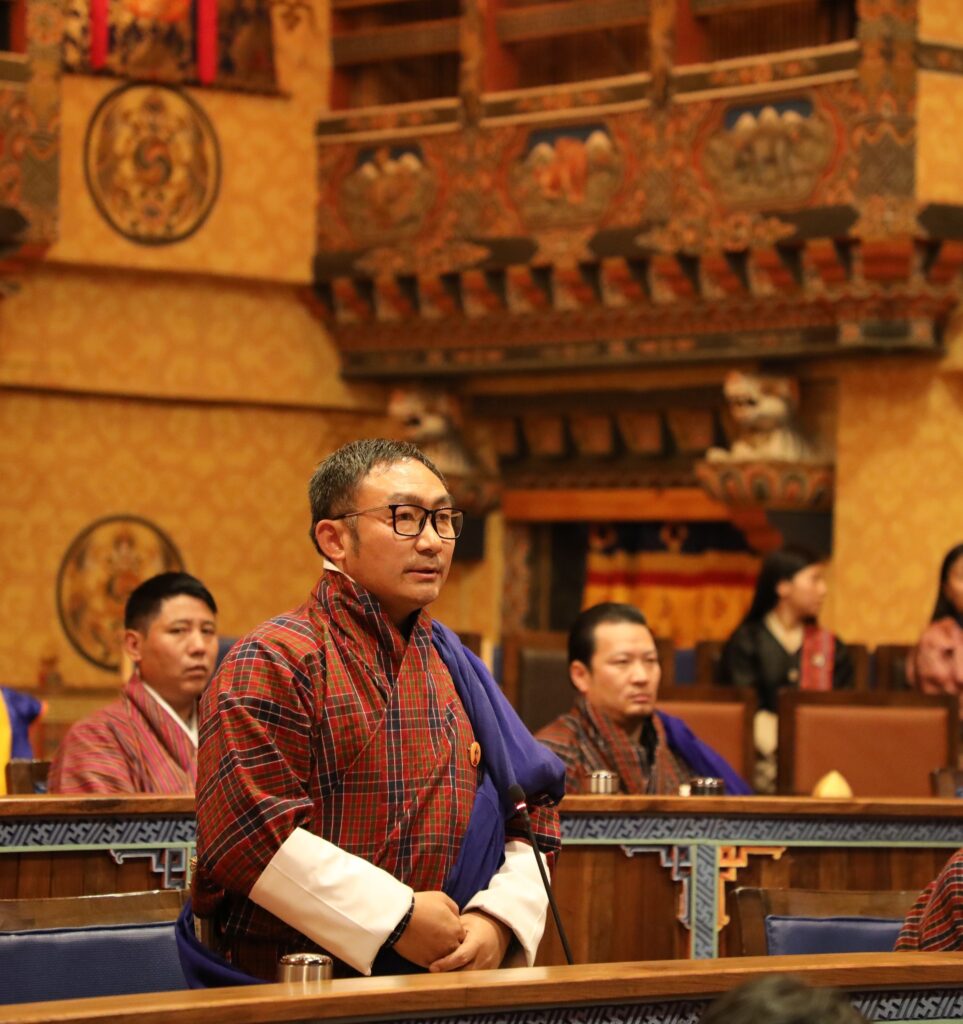
The National Council deliberated at length on the proposed Free Trade Agreement (FTA) between Bhutan and Thailand, with several members raising concerns about possible job losses, pressure on domestic industries, and the potential impact on the country’s foreign currency reserves.
While acknowledging the economic opportunities presented by the agreement, MPs cautioned that tariff-free trade could lead to a surge in imports, affect product quality, and challenge the sustainability of Bhutan’s manufacturing sector.
During the deliberations, members questioned whether the Economic Affairs Committee had adequately assessed risks associated with the closure of struggling industries and whether sufficient measures were in place to support domestic manufacturers.
MPs also sought clarification on how the agreement aligns with Bhutan’s constitutional obligation to maintain foreign currency reserves sufficient to cover at least one year of essential imports.
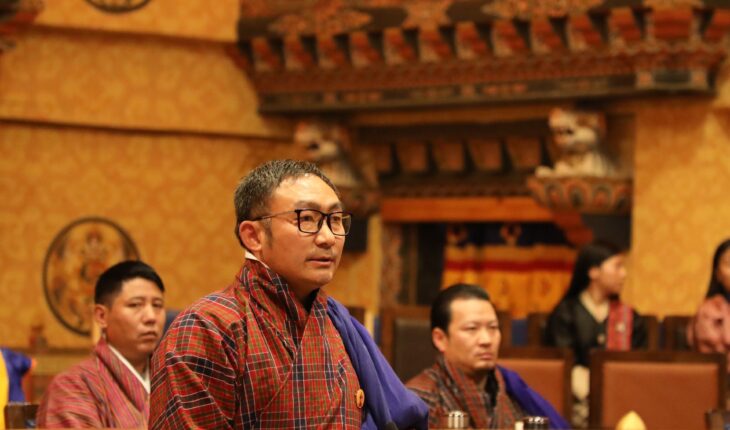
Punakha MP Namgay Dorji expressed concern that removing tariffs could weaken local industries and reduces employment opportunities.
“If tariffs are removed, it could lead to fewer exports and a surge in imports. For instance, a biscuit factory in Wangdue could be affected by an influx of imported biscuits, placing local factories and workers at risk and reducing job opportunities,” he said.
Echoing similar concerns, Trashigang MP Sonam Tobgyel warned that imports could potentially exceed exports if safeguards are not put in place.
“There is a risk that imports could surpass exports, resulting in an accumulation of imported goods such as clothing and food items, at a time when Bhutan is already facing challenges in selling or exporting its own products,” he said. However, he added that the agreement could be beneficial in the long term if quality standards and sustainability are ensured.
Paro MP Ugyen Tshering highlighted the vulnerability of existing manufacturing industries, many of which are already under strain.
“As the Punakha MP pointed out, several manufacturing industries that are currently struggling could be forced to shut down, leading to job losses. Employment in the sector could decline by as much as 50 percent over the next five years,” he said.
Sarpang MP Pema Tashi raised constitutional concerns, referring to the National Interest Analysis associated with the agreement. He noted that low or zero tariffs could result in a significant increase in imports and a corresponding outflow of foreign currency reserves.
“Article 14, Section 7 of the Constitution of Bhutan requires the country to maintain foreign currency reserves sufficient to cover at least one year of essential imports. Given the analysis’s warning of a high outflow of reserves, how was this aligned with the constitutional requirement?” he questioned.
Chairperson of the Economic Affairs Committee MP Tshewang Rinzin said that the risks highlighted by MPs had been thoroughly discussed with relevant agencies.
He stated that plans, policies, and guidelines are already being developed to determine which products should be promoted, how quality can be improved, and how domestic industries can be supported through targeted budget allocations.
According to the committee, these measures aim to enhance product quality, add value, and strengthen Bhutan’s export capacity.
MP Tshewang Rinchen said the agreement is expected to drive improvements in domestic production rather than weaken it.
“Competing with Thailand, even as we import from them, will first help improve the quality of our domestically produced and manufactured goods,” he said.
“Second, the imposition of the goods and services tax will significantly benefit the country. Third, improved quality will enable us to export more, not only to Thailand but also to existing trading partners such as India and Bangladesh, thereby increasing foreign currency inflows and strengthening our reserves.”
He further noted that the FTA holds particular significance for landlocked countries like Bhutan, as it provides access to broader regional markets.
The agreement, he said, allows Bhutan not only to trade with Thailand but also to connect more effectively with other ASEAN economies, expanding export opportunities for Bhutanese products.
Following the deliberations, the House ratified the agreement, with its adoption to take effect from the following day.
Under the Free Trade Agreement, Bhutan and Thailand will be able to trade eligible goods without the imposition of customs duties, a move intended to facilitate smoother trade flows and enhance economic cooperation between the two countries.
The agreement will also apply to the Gelephu Mindfulness City (GMC) after both countries agreed to remove a clause that previously excluded special administrative regions from the pact. The amendment was presented to the National Assembly last Thursday by the Minister for Industry, Commerce and Employment, Namgyal Dorji.
With the revised provision, trade activities under the FTA can be extended to GMC, aligning the agreement with Bhutan’s broader economic and development plans.
As Bhutan moves forward with the implementation of the FTA with Thailand, lawmakers reiterated the need for close monitoring to ensure that domestic industries are supported, employment is safeguarded, and constitutional obligations related to foreign currency reserves are upheld.
The National Council endorsed the FTA between the Royal Government of Bhutan and the Kingdom of Thailand, on 23 December with all members present voting in favour.
In line with constitutional procedures, the agreement will be forwarded to the National Assembly in accordance with Article 13(7).