
TENZIN LHAKI | Thimphu
The Royal Audit Authority (RAA) has carried out a comprehensive performance audit of the Commercial Agriculture and Resilient Livelihoods Enhancement Programme (CARLEP).
The task was initiated to examine its effectiveness, efficiency, and sustainability in transforming agriculture and improving rural livelihoods in eastern Bhutan.
It was also undertaken in recognition of the central role agriculture continues to play in Bhutan’s rural economy.
More than 60 percent of the population depends on farming for livelihoods, yet the sector remains largely characterised by small-scale subsistence practices, low productivity, and vulnerability to external shocks such as climate change, market volatility, labour shortages, and rising input costs.
These long-standing challenges provided the context for CARLEP’s establishment and informed the need for a detailed assessment of whether the programme has delivered on its objectives.
The RAA identified several material factors justifying a performance audit.
First was the significance of agriculture to rural livelihoods and national development, particularly in eastern Bhutan, where earlier IFAD-supported initiatives such as FEZAP and SEZAP had already laid the groundwork for sectoral progress.
Second, the audit was prompted by the programme’s substantial financial outlay. CARLEP’s total cost amounts to approximately Nu. 2 billion, financed through a combination of domestic contributions, international grants, and concessional loans from IFAD, with nearly two-thirds of the funding classified as debt.
Given the scale of public investment and long-term repayment obligations, the RAA considered it necessary to assess whether the programme delivered value for money.
Third, concerns arising from repeated issues reported in annual financial audits over several years such as overpayments, wastage, unfinished infrastructure, and weak monitoring highlighted the need for a performance audit to identify systemic weaknesses that routine financial audits could not address.
Finally, the sustainability of programme benefits beyond CARLEP’s completion emerged as a critical concern, particularly as Bhutan will continue repaying a significant portion of the investment long after the programme ends.
The main objective of the performance audit was to assess the effectiveness and sustainability of CARLEP in improving the livelihoods of smallholder farmers.
This was guided by two sub-objectives: evaluating the programme’s effectiveness in achieving intended outputs and targets, and assessing the systems and mechanisms established to sustain interventions beyond the programme period.
The audit found that CARLEP introduced improved and climate-resilient vegetable varieties, including short-duration radish, heat-tolerant cauliflower, new onion varieties, quinoa, and hybrid maize.
These interventions contributed to improved food and nutrition security and created new income opportunities. However, annual vegetable production targets of 3,600 metric tonnes were not consistently met.
Analysis of multiple data sources revealed inconsistencies and fragmentation in production data, limiting the ability to conclusively determine whether CARLEP met its targets.
While regional production levels appeared to increase, attributing gains specifically to CARLEP-supported farmers remained difficult due to weak data systems.
CARLEP exceeded its target for women’s participation in vegetable groups, with women accounting for around two-thirds of membership.
However, the programme fell short of organising the targeted number of households, and about 20 percent of farmer groups had become inactive by the time of the audit.
Factors contributing to this included youth migration, an ageing farming population, difficult terrain, labour shortages, wildlife damage, and limited market access.
Under land development interventions, about 1,410 acres were developed, including the reclamation of fallow land. While beneficiaries acknowledged benefits such as improved mechanization, the audit found under- utilization of developed land and a lack of reliable data on actual cultivation.
Seed and seedling support successfully introduced improved varieties but failed to establish a sustainable domestic seed system, leaving farmers dependent on imports and subsidies.
Greenhouse support benefited over 1,300 households, though monitoring gaps limited assessment of effectiveness. Irrigation interventions showed mixed results, with community-based schemes demonstrating greater sustainability than individual household systems.
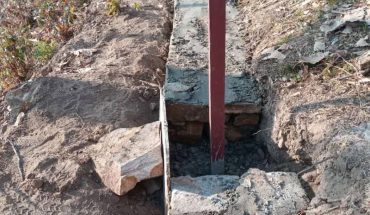
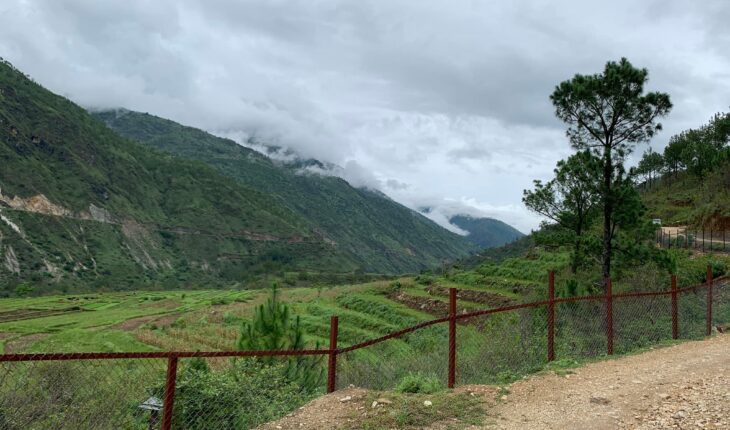
Electric fencing emerged as one of the more effective interventions, significantly reducing crop losses from wildlife and restoring farmers’ confidence.
Community-managed fencing systems proved more sustainable, although maintenance challenges and equipment limitations were noted.
Post-harvest support, including dryers and processing equipment, was limited in scale and inconsistently monitored.
While some positive outcomes were observed, the lack of strategic targeting and oversight reduced overall effectiveness.
In the dairy sector, CARLEP exceeded targets for cattle breed improvement and achieved promising results in artificial insemination.
However, the programme fell short of organising the targeted number of dairy households, and milk production targets were not clearly defined. Inconsistent data further constrained impact assessment.
Fodder development and cattle shed upgrades produced mixed outcomes, with partial adoption of recommended practices.
Biogas interventions demonstrated potential benefits but faced widespread sustainability challenges, including technical faults, maintenance issues, and limited user capacity.
The audit identified significant weaknesses in value chain and market development. Food Corporation of Bhutan Limited (FCBL)’s withdrawal midway through the programme left key responsibilities only partially fulfilled, and the absence of documented strategies and roadmaps weakened coordination.
As a result, enterprise development fell far short of targets, with only a small number of agro-processing units functioning effectively.
Nevertheless, selected case studies demonstrated positive outcomes where strong group management, infrastructure support, and market linkages existed, particularly in women-led processing units and dairy cooperatives.
Based on its findings, the RAA issued 13 recommendations grouped under strengthening farmers’ groups, value chains and markets, institutional capacities, and programme exit strategies.
These focus on improving governance and skills within farmer groups, enhancing market access, strengthening extension services and data systems, and ensuring proper asset management beyond programme closure.
The audit concludes that while CARLEP delivered several transformative interventions with tangible benefits, weaknesses in sustainability planning, value chain development, and institutional capacity limited its long-term impact.
The RAA emphasises that addressing these gaps will be critical for future agricultural programmes aimed at building a resilient, market-oriented, and sustainable rural economy in Bhutan.