Rising prices of eggs, beer, and tobacco strain household in Thimphu, raising concerns over market oversight
RENUKA RAI | Thimphu
A sharp rise in egg prices in the Thimphu has once again put pressure on household budgets, raising concerns about nutrition, affordability, and the absence of timely government intervention during the winter lean season.
Eggs, long considered one of the most affordable sources of protein, are increasingly becoming out of reach for low-income families, students, and daily wage earners.
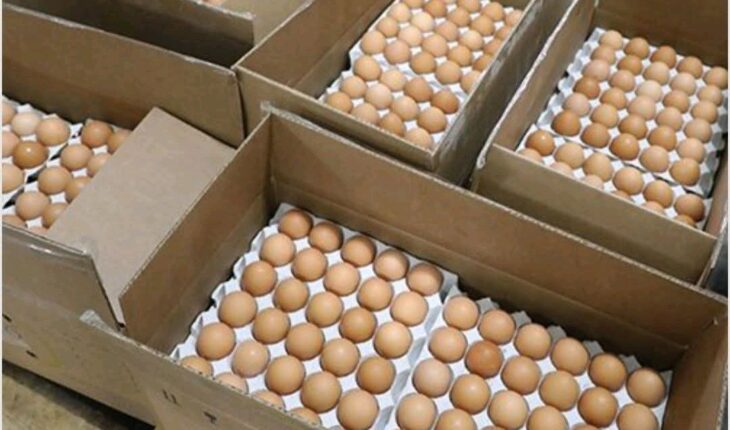
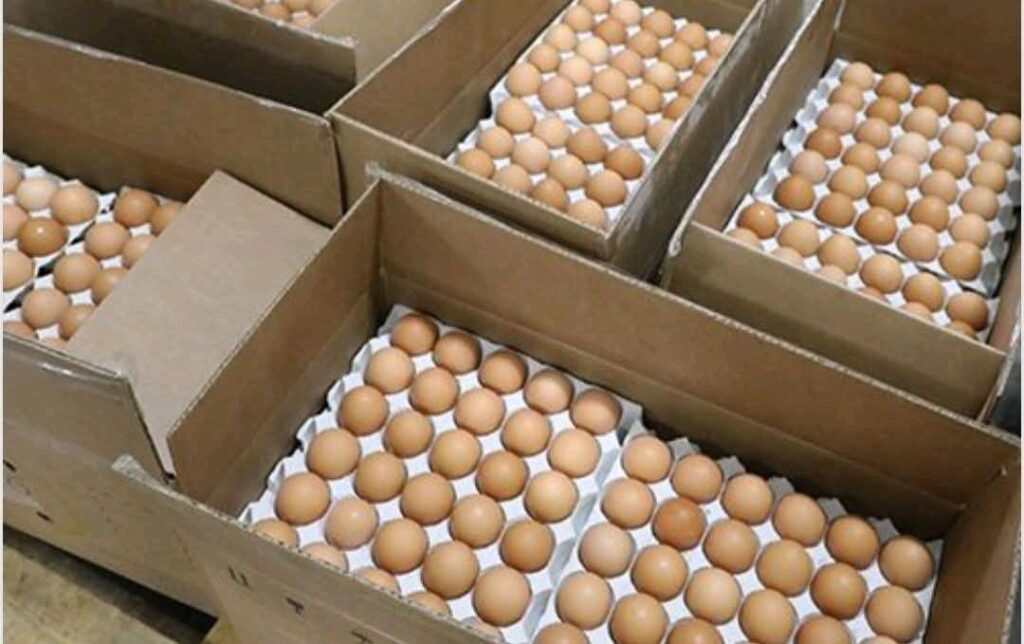
As of this week, eggs are being sold at Nu. 520–580 per tray in Thimphu, while individual eggs are retailing for as much as Nu. 20 per piece in several neighbourhood shops.
Consumers say the increase has come abruptly and at a time when households are already struggling with rising costs of rent, fuel, vegetables, and utilities.
A standard carton contains 210 eggs and is currently available at around Nu. 3,300 at wholesale. This translates to approximately Nu. 16 per egg.
At a retail price of Nu. 20 per egg, the same carton generates Nu. 4,200 in sales, resulting in a margin of about Nu. 900 per carton.
If a retailer sells 10 cartons, the margin amounts to Nu. 9,000, excluding other operating costs. For many residents, such mark-ups appear excessive, particularly when applied to a basic food item that forms a core part of everyday meals.
“Eggs are not an item,” said Lhaki, 32, a homemaker from Changzamthog. “They are the easiest and cheapest protein we can give our children. When prices rise suddenly, the first thing we do is reduce egg consumption. That directly affects what our children eat.”
Lhaki said her family now buys eggs in smaller quantities rather than purchasing a full tray. “Earlier, eggs were something we could rely on every day. Now we have to plan carefully around the price,” she said.
Students and young working professionals say they are among the worst affected. Ashish, 24, a graduate living in Babesa, said eggs are a staple food for students staying in rented rooms.
“Most of us depend on eggs because they are affordable and quick to cook,” he said. “At Nu. 25 per egg, it becomes expensive very quickly. Two eggs for one meal already cost Nu. 50, which adds up over the month.”
Pema Dorji, 21, a student residing in Taba, said rising food prices are forcing students to compromise on diet quality. “We end up eating more instant food because it’s cheaper, but it’s not healthy in the long run,” he said.
Working professionals echo similar concerns. Nidup Wangmo, 28, a private-sector employee from Olakha, said the rising cost of essential food items is steadily eroding purchasing power.
“Everything feels expensive now vegetables, fuel, rent, it’s because of GST” she said. “Eggs used to be something you didn’t think twice about buying. Now even that has become a concern.”
Families caring for elderly members say the impact goes beyond household budgets. Sonam Choden, 41, from Chubachu, said eggs are an important part of her parents’ diet.
“For older people, eggs are easy to eat and nutritious,” she said. “When prices rise, we reduce quantity, but that should not happen with basic food items.”
Consumers say eggs are not the only products experiencing sharp and inconsistent price increases. Several commonly consumed goods are also showing wide price variations across Thimphu.
Lager beer, which was previously sold at around Nu. 65 at wholesale, is now reportedly supplied at Nu. 80. At the retail level, prices vary widely, with bottles selling for Nu. 100 and even Nu. 150 depending on the shop.
Cigarettes are another area of concern. Wave cigarettes, which carry a printed maximum retail price (MRP) of Nu. 60, are allegedly being sold for between Nu. 100 and Nu. 150 in some outlets.
“If there is an MRP printed on the packet, it should mean something,” said Karma Wangchuk, 35, a resident of Taba. “Otherwise, consumers are left with no protection.”
Retailers, however, cite supply-side constraints and seasonal factors. Shopkeepers say egg prices typically rise during winter, when domestic production declines and supply become irregular.
Transportation challenges, higher wholesale rates, and operating costs such as rent and utilities are also cited as reasons for passing costs on to consumers.
“Winter is always difficult for supply,” said a shopkeeper in Changzamtog, speaking on condition of anonymity. “Sometimes we don’t receive eggs regularly. When supply is low and demand is high, prices increase.”
Another retailer in Babesa said price differences among shops are driven by location and customer flow. “Some shops sell cheaper, some higher. It depends on demand and expenses,” he said.
However, consumers argue that seasonal shortages are predictable and should be addressed through proactive planning rather than left entirely to market forces.
Many say the lack of clear communication or visible intervention from authorities has intensified public frustration.
“There is hardly any response when essential food prices rise,” said Ashish. “People feel like they are left on their own.”
Eggs are among the most cost-effective sources of animal protein When prices increase, poor households reduce consumption first. Over time, this affects nutrition, especially for children and the elderly.
Urban households are particularly vulnerable because they rely almost entirely on cash income for food. During winter, when domestic production dips, the demand supply imbalance becomes more pronounced.
Residents and consumer advocates are now calling on the government to take short-term corrective measures during the low-productivity season.
Suggested interventions include seasonal imports to stabilise supply, emergency procurement arrangements, stricter monitoring of retail mark-ups, and stronger enforcement of MRPs on essential goods. Some also argue for targeted measures to protect vulnerable groups such as students, low-income families, and elderly citizens living on fixed incomes.
Many argue that there has to be a balance between market freedom and public welfare.
As winter continues and demand remains high, consumers fear prices could climb further unless steps are taken to stabilise supply and rein in excessive pricing.
For now, households are coping by buying fewer eggs, shopping across multiple outlets, or cutting back altogether. But with eggs increasingly slipping out of reach for those who depend on them most, public calls are growing for timely government action to manage seasonal shortages, protect household nutrition, and restore confidence in market r