RENUKA RAI | Thimphu
Bhutan’s economy is on a steady growth trajectory, supported by a combination of hydropower development, capital investment, and a recovering tourism sector, according to the International Monetary Fund’s (IMF) 2025 Article IV Consultation.
The IMF projects the country’s real GDP growth at 7.4 percent for the fiscal year 2025/26, with expectations that it will remain strong in the following fiscal year.
This marks a continuation of the momentum gained in 2024 and the first half of 2025, when growth accelerated sharply, reaching 9.1 percent in the fourth quarter, largely driven by the commissioning of major hydropower projects and resilience in the services sector.
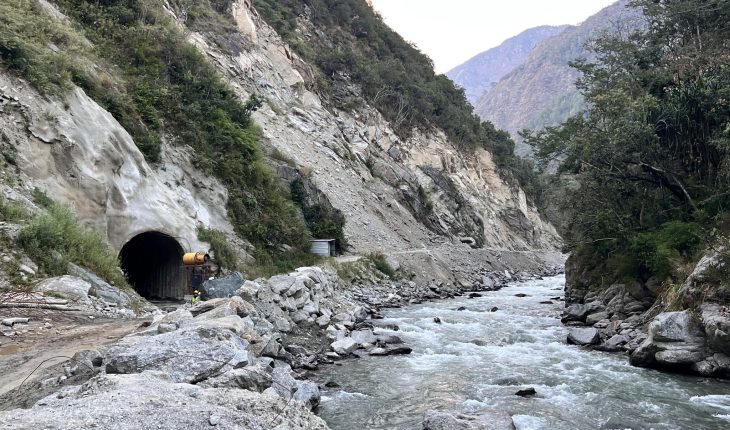
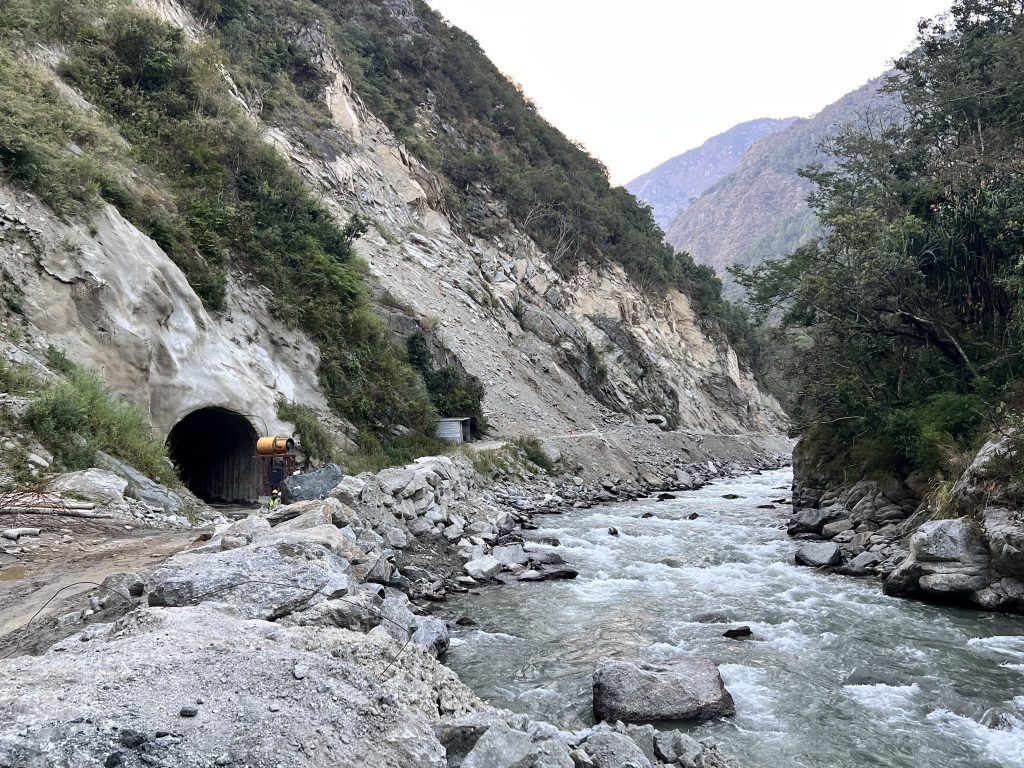
The IMF highlights that both domestic capital spending and the commissioning of major hydropower projects, such as Punatsangchhu II, will support medium-term activity.
Hydropower exports grew at 39 percent in 2025/26, reflecting the sector’s pivotal role in Bhutan’s growth model.
Meanwhile, non-hydropower exports are projected to grow more modestly, underlining the economy’s heavy dependence on hydropower production.
The tourism sector is also contributing significantly to economic recovery, following the disruptions caused by the pandemic.
The IMF notes that Bhutan’s “high-value, low-volume” tourism strategy has yielded tangible results. Tourist arrivals increased by 41 percent in 2025, with tourism receipts rising by 35 percent, largely driven by higher-spending non-Indian visitors.
This growth not only boosts services and foreign exchange earnings but also complements other sectors in creating employment opportunities and stimulating domestic demand.
Despite the positive growth trajectory, Bhutan faces multiple economic vulnerabilities. Inflation, which had declined steadily in 2024 as both food and non-food pressures eased, began to rise toward mid-2025, reaching approximately 4 percent.
Food inflation was the primary driver, reflecting price pressures on essential commodities.
While the overall macroeconomic stability remained intact, the IMF cautions that the country’s current account, though improving, remains in structural deficit.
This exposes Bhutan to external shocks, such as fluctuations in fuel prices, a global slowdown, and potential disruptions in tourism and non-hydropower exports.
Fiscal policy remains a key area of focus. Bhutan’s total government revenue and grants are projected at 32.1 percent of GDP in 2025/26, driven by domestic revenue and an increase in foreign grants.
Tax revenue accounts for 15.3 percent of GDP, while non-tax revenue contributes 7.2 percent. Total government expenditure, however, is projected at 35 percent of GDP, leaving a modest deficit of 2.9 percent.
The IMF emphasizes the importance of gradual fiscal consolidation to maintain debt sustainability while preserving fiscal space for pro-growth capital investments.
Public debt, which stood at 123 percent of GDP in 2025/26, underscores the necessity of careful fiscal management, particularly as new hydropower projects under innovative financing models could elevate risks if not properly monitored.
The Gelephu Mindfulness City (GMC) project, envisioned as a flagship initiative to diversify Bhutan’s economy, carries both promise and risk.
By attracting private investment and generating employment, the GMC has the potential to expand Bhutan’s growth base beyond hydropower and low-productivity sectors.
However, the IMF warns that its legal and regulatory framework is still at an early stage, and differences between GMC regulations and those of the Royal Monetary Authority (RMA) could lead to licensing and regulatory arbitrage.
Crypto-asset activities permitted in GMC further highlight the need for robust supervision and enforcement to mitigate financial risks.
Fiscal risks associated with GMC must also be carefully managed to protect Bhutan’s revenue base and prevent additional spending pressures.
Monetary policy is another cornerstone of Bhutan’s strategy to ensure economic stability.
The IMF recommends a gradual normalization of monetary policy to support reserve accumulation and moderate credit growth. Broad money (M2) growth is projected at 12.9 percent in 2025/26, while private sector credit growth is estimated at 11.3 percent.
The IMF emphasizes the importance of implementing a domestic liquidity management framework, which would strengthen monetary transmission and support the development of the interbank market.
Absorbing excess liquidity is particularly important to contain inflationary pressures while maintaining the kyat’s peg to the Indian rupee.
Strengthening Bhutan’s financial sector is critical for both macroeconomic stability and the success of economic diversification efforts.
The IMF notes that the adoption of Bhutanese accounting standards, particularly an expected-credit-loss approach, will require higher provisioning for restructured loans.
Supervisory efforts must focus on timely recognition of credit risk, enforcement of prudential norms, and mitigation of concentration risks in tourism and housing sectors. Stress testing and prompt corrective measures are also essential to preserve system soundness.
Additionally, ongoing efforts to enhance Bhutan’s anti-money laundering and counter-financing of terrorism (AML/CFT) framework are necessary, with improvements needed in prosecution and conviction rates.
International reserves have strengthened considerably, reaching an estimated USD 964 million in 2025/26, equivalent to 7.7 months of goods imports.
This improvement has been supported by lower crypto-mining related imports, higher remittances, and increasing hydropower and tourism earnings.
While the external position remains stronger than in previous years, the IMF cautions that reserves are still below levels warranted by fundamentals, emphasizing the need for continued fiscal and monetary prudence.
The IMF’s medium-term assessment is cautiously optimistic. Growth is expected to remain robust, supported by continued hydropower generation and capital investment under Bhutan’s 13th Five-Year Plan.
Inflation is projected to stabilize around 4 percent, aided by the currency peg and the high import content of investment projects.
Nevertheless, Bhutan’s economic outlook is subject to multiple risks, including delays in completing major hydropower projects, the fiscal and financial implications of GMC, declines in crypto-asset values, fuel-price volatility, and potential global economic slowdowns.
Fiscal reforms, including the implementation of the Goods and Services Tax (GST) and other measures such as fuel taxes, remain essential to strengthen revenue mobilization.
The IMF highlights that Bhutan’s medium-term fiscal strategy should aim for a deficit of around 3 percent of GDP, balancing expenditure discipline with the need for pro-growth investments.
Capital expenditure is expected to remain high, particularly for infrastructure and hydropower projects, and careful management of these projects is critical to prevent excessive public debt accumulation.
In conclusion, Bhutan’s economic performance in 2025/26 demonstrates strong growth, rising foreign reserves, and a recovering tourism sector.
Hydropower remains a central driver, complemented by public investment and services growth. At the same time, the IMF emphasizes that careful management of fiscal, financial, and external risks is essential to sustain macroeconomic stability and support inclusive development.
The successful execution of major hydropower projects, implementation of tax reforms, prudent oversight of GMC, and strengthened financial sector supervision will play key roles in Bhutan’s continued economic progress in the coming years.