TIL BDR GHALLEY | Thimphu
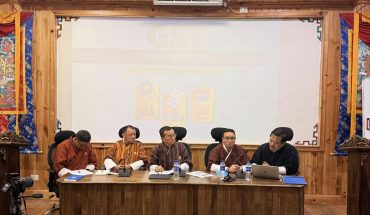
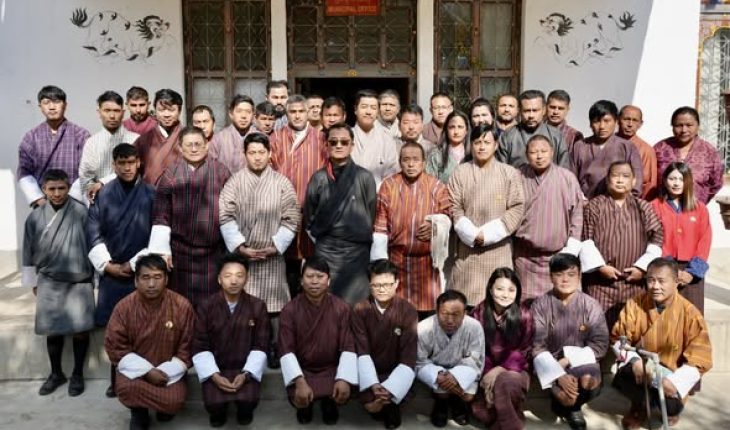
A high‑level technical team from the Ministry of Agriculture & Livestock, led by the Secretary Thinley Namgyel, recently visited Tsirang Dzongkhag to meet with major pig and poultry farmers, as well as key stakeholders in the livestock sector. The visit was coordinated by the Tsirang Dzongkhag Livestock Sector with support from the BRECSA Project. This initiative was not merely symbolic; it was a deliberate effort to strengthen the pig and poultry value chain in the region by engaging directly with farmers, listening to their concerns, and identifying practical solutions to pressing challenges.
The team’s agenda centered on addressing inefficiencies within the value chain and ensuring that both producers and consumers benefit from a more transparent and predictable system. Open discussions were held with farmers on critical issues such as production costs, access to inputs, market linkages, and price instability. These challenges have been contributing to noticeable escalations in consumer prices, creating pressure on households while simultaneously straining farmers’ ability to sustain production. By bringing these issues to the forefront, the Ministry underscored its commitment to building a livestock sector that is both resilient and equitable.
One of the key messages emphasized during the visit was the importance of a strong and well‑coordinated value chain. The team highlighted that stabilizing market prices is not only essential for protecting consumers but also for ensuring that farmers receive fair and timely returns for their products. Without such balance, farmers risk being discouraged from continued production, while consumers face unpredictable price fluctuations. The Ministry’s vision is to create a system where inefficiencies are minimized, transparency is improved, and targeted initiatives provide farmers with the support they need to thrive.
The discussions also touched on the delicate balance between market stability and farmer welfare. While controlling extreme price variations is necessary to safeguard consumers, it was equally stressed that farm gate prices must reflect the actual cost of production and allow for reasonable margins. Farmers cannot be expected to sustain production if their returns do not cover feed costs, veterinary expenses, and other operational inputs. Ensuring predictable markets and fair pricing was therefore recognized as a cornerstone of safeguarding farmers’ livelihoods and encouraging sustained production in the pig and poultry sector.
The visiting team included the Director of the Department of Agricultural Marketing and Cooperatives (DAMC), along with technical officials from both the Department of Livestock and DAMC. Their presence signaled the seriousness with which the Ministry is approaching these challenges. Farmers were briefed on several key government initiatives designed to reduce production risks, improve market access, and strengthen income security. Among these were the Pig and Poultry Farm Registration System, which aims to formalize and streamline farm operations; Crop and Livestock Insurance, which provides a safety net against unforeseen losses; and the Cost Sharing Mechanism, which helps farmers manage input expenses more effectively. These initiatives, coupled with ongoing projects, are intended to create a more supportive environment for livestock producers.
Beyond policy discussions, the team also visited selected pig and poultry farms to observe operations firsthand. This provided an invaluable opportunity to witness the realities of production on the ground. Farmers openly shared practical challenges, particularly the rising costs of feed, the risks posed by livestock diseases, and difficulties in accessing reliable markets. These candid exchanges led to focused discussions on the cost of production, price variations across the value chain, and potential technical and policy interventions to improve efficiency and resilience.
The visit highlighted several critical insights. First, feed costs remain one of the most significant burdens for pig and poultry farmers, often accounting for the majority of production expenses. Addressing this issue may require exploring local feed production, subsidies, or cooperative purchasing models to reduce costs. Second, disease risks continue to threaten livestock productivity, underscoring the need for stronger veterinary support, biosecurity measures, and farmer training. Third, market access remains uneven, with farmers often struggling to connect with reliable buyers or facing price volatility that undermines their income security.
By engaging directly with farmers, the Ministry demonstrated its commitment to participatory policymaking. Rather than imposing top‑down directives, the approach taken in Tsirang was collaborative, with farmers’ voices shaping the conversation. This participatory model is crucial for building trust and ensuring that interventions are both practical and effective. If successful, Tsirang could serve as a model for other dzongkhags, showing how farmer welfare and consumer protection can be balanced through coordinated value chain management.
The broader implications of this visit are significant. For farmers, the assurance of predictable markets and fair pricing provides confidence to invest in their operations and sustain production. For consumers, a well‑coordinated value chain helps prevent extreme price fluctuations, ensuring that essential protein sources like pork and poultry remain affordable. For policymakers, firsthand insights from the field allow for more targeted interventions, whether in the form of technical support, financial mechanisms, or regulatory adjustments.
The visit to Tsirang Dzongkhag was more than a routine inspection—it was a strategic step toward building a resilient livestock sector. By addressing inefficiencies, improving transparency, and supporting farmers through targeted initiatives, the Ministry aims to create a balanced system where both producers and consumers benefit. The emphasis on fairness, predictability, and collaboration reflects a forward‑looking vision for Bhutan’s pig and poultry industry, one that safeguards livelihoods while ensuring food security for the nation.