DAWA ZANGMO | Thimphu
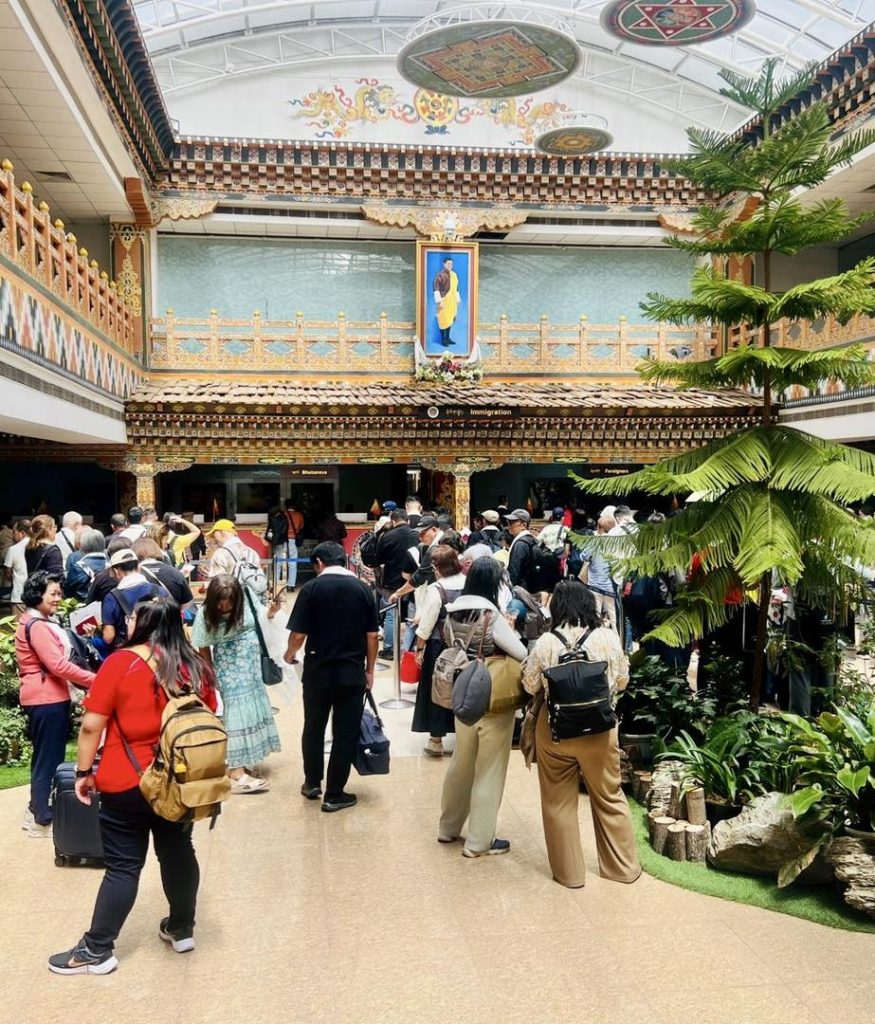
Bhutan’s tourism sector recorded strong growth in 2025, with increases in both international visitor arrivals and Sustainable Development Fee (SDF) revenue.
This prompted the government to intensify efforts to ensure that the gains translate into long-term benefits for local communities while safeguarding the country’s high value, low impact tourism model.
The Ministry of Industry, Commerce and Employment (MoICE) said the rise in SDF earnings has expanded Bhutan’s economic resources, creating opportunities not only to strengthen sustainable livelihoods but also to support broader national development priorities.
According to the ministry, revenues generated through the SDF are being strategically reinvested to maximize social and economic returns.
A key focus is on expanding community-based tourism initiatives that enable local residents to directly participate in and benefit from tourism activities.
These initiatives are complemented by investments in the preservation of Bhutan’s cultural and natural heritage, as well as improvements in tourism-related infrastructure.
“The increased SDF revenue allows us to strengthen tourism benefits by channeling resources into community-based tourism, heritage conservation, and infrastructure development,” the ministry said.
It added that such investments are designed to ensure tourism income reaches local communities, supports rural livelihoods, and contributes to balanced regional development, which remains a core national priority.
MoICE highlighted that capacity building and skills development across the tourism value chain form another central pillar of the government’s approach.
The ministry said it is prioritizing targeted training programmes to equip Bhutanese citizens with skills needed to actively participate in the expanding tourism economy.
Training initiatives are being expanded in areas such as hospitality services, tour guiding, creative industries, digital marketing, and sustainable entrepreneurship.
The ministry noted that these programmes are aimed at strengthening local ownership in the sector and ensuring that tourism growth results in long-term and dignified employment opportunities.
“By investing in skills development and capacity building, we are empowering Bhutanese citizens to engage meaningfully in tourism related activities and benefit directly from sector growth,” the ministry stated.
It added that this approach helps translate rising tourist numbers into sustainable livelihoods rather than short-term economic gains.
Beyond direct tourism investments, the ministry emphasized that SDF revenue continues to play an important role in supporting Bhutan’s broader social development goals.
Funds generated through the fee contribute to the provision of free healthcare and education for all Bhutanese citizens, reinforcing investments in human capital and overall social well-being.
“These investments enhance the quality of life of our people and strengthen the foundation for inclusive development,” the ministry said, underscoring that tourism revenue is integrated into the country’s wider development framework.
At the same time, MoICE reaffirmed Bhutan’s commitment to its long-standing tourism policy, often described as “high value, low volume,” which seeks to balance economic benefits with environmental and cultural preservation.
The ministry said the focus remains on attracting responsible and conscious travelers who respect Bhutan’s values, culture, and natural environment.
“Our priority is to welcome visitors who are aligned with Bhutan’s principles and who travel responsibly,” the ministry said.
It noted that the daily SDF contribution remains central to this model, enabling the government to regulate visitor impact while financing long-term sustainable initiatives.
According to the ministry, SDF revenues are also being used to support environmental conservation, climate resilience, and the safeguarding of cultural heritage.
These investments are intended to ensure that tourism development does not compromise Bhutan’s ecological integrity or cultural identity.
In addition, MoICE said it is strengthening policy coordination and adopting more data-driven planning approaches to manage tourism growth effectively.
Improved destination management systems are being developed to ensure that tourism activities remain within the carrying capacities of destinations and are aligned with national sustainability objectives.
“By enhancing policy coordination and destination management, we aim to ensure that tourism growth remains balanced and sustainable over the long term,” the ministry said.
It added that careful planning is essential to maintaining the quality of visitor experiences while protecting local communities and ecosystems.
The ministry stressed that the combined impact of these measures is intended to ensure that the increase in tourist arrivals and SDF revenue reinforces sustainable livelihoods, promotes equitable development, and protects Bhutan’s unique cultural and natural heritage.
“Together, these efforts ensure that tourism growth supports local communities, strengthens national development, and upholds Bhutan’s commitment to responsible tourism,” the ministry said.
The government maintains that its approach will remain firmly rooted in sustainability, inclusivity, and long-term national well-being, ensuring that economic gains from tourism are shared widely while preserving the values that define the country.