NGAWANG JAMPHEL Thimphu
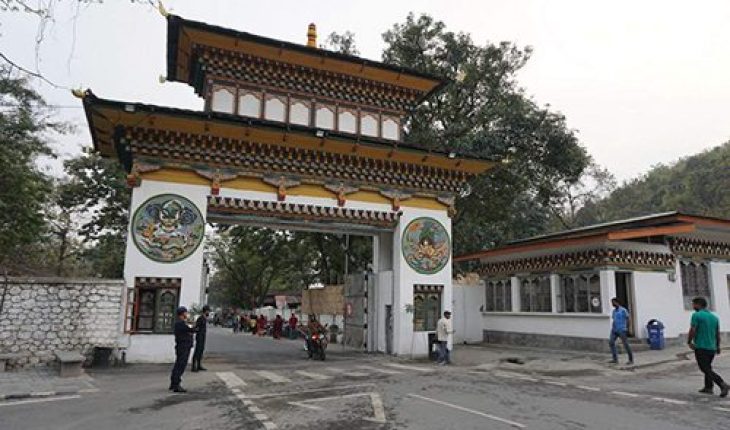
For hundreds of commuters, traders, and residents who cross the Samdrupjongkhar border daily, traffic congestion, especially on the India side of the Integrated Check Post (ICP) which remains a persistent challenge despite recent efforts to ease the pressure.
Long queues of vehicles, overcrowded pedestrian movement, and frequent delays have become part of daily life at one of Bhutan’s busiest entry points.
Local residents say congestion peaks during morning and evening hours, often forcing people to wait for hours to cross.
“The road on the Indian side is extremely congested. Sometimes it takes more than an hour just to move a few hundred metres,” said a shopkeeper who regularly crosses the border for business. “When trucks, taxis, and pedestrians all come together, everything gets stuck.”
In response to growing public concern, the Ministry of Home Affairs, in collaboration with the Samdrupjongkhar Dzongkhag and Thromde administrations, has initiated the reopening of the Chengaline passage to reduce traffic pressure at the main checkpost.
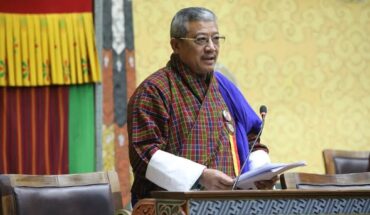
Speaking during the 24th Meet the Press, Home Minister Tshering said assessments had shown that the existing infrastructure at Chengaline required upgrades to ensure safety and convenience.
As a result, improvement works were taken up and are now almost complete.
“Discussions at the local level are ongoing to expedite the completion and operationalisation of the passage,” he said, adding that the move is expected to help decongest traffic at the ICP.
However, residents say that while the reopening of Chengaline is a welcome step, congestion remains severe, particularly beyond Bhutan’s side of the border.
“Inside Bhutan, traffic management has improved, but once you cross to the Indian side, the road becomes very narrow and chaotic,” said a taxi driver based in Samdrupjongkhar. “There is no proper parking space, and vehicles are parked randomly. It affects everyone.”
Pedestrians, especially elderly people and schoolchildren, say navigating the congested road has become increasingly risky.
“There are times when vehicles come so close that you fear being hit,” said a resident from Deothang who travels frequently through the checkpost. “When it rains, the situation becomes worse because the road floods and movement slow down completely.”
To address long-term challenges, the Government of India has allocated Nu 300 million for the construction of a new Integrated Checkpost at Samdrupjongkhar. According to the minister, the Detailed Project Report (DPR) has already been submitted to relevant authorities for review, and preparatory works and discussions are underway to take the project forward.
The proposed ICP is expected to significantly improve border management by separating pedestrian and vehicular movement, streamlining customs and immigration procedures, and providing better infrastructure for trade and travel.
Traders in the area say the new ICP cannot come soon enough.
“During peak seasons, goods vehicles are stuck for hours,” said a local transporter. “Perishable items suffer losses, and fuel costs go up. A modern checkpost will help everyone.”
Despite ongoing works, some residents have called for closer coordination with Indian authorities, saying that congestion cannot be solved from one side alone.
“Most of the bottleneck is on the India side,” said another commuter. “Unless both sides work together on road widening, parking management, and traffic control, the problem will continue.”
Officials have acknowledged these concerns and said coordination at the local level is continuing to ensure smoother cross-border movement.
While authorities stress that infrastructure improvements take time, people on the ground say immediate relief measures—such as better traffic regulation, designated parking zones, and staggered movement of heavy vehicles—could ease daily hardships.
For now, commuters remain hopeful that the reopening of the Chengaline passage and the planned construction of a new ICP will bring lasting relief. Until then, congestion at the Samdrupjongkhar border remains a daily test of patience for those who depend on it for work, trade, and daily life.