RENUKA RAI | Thimphu
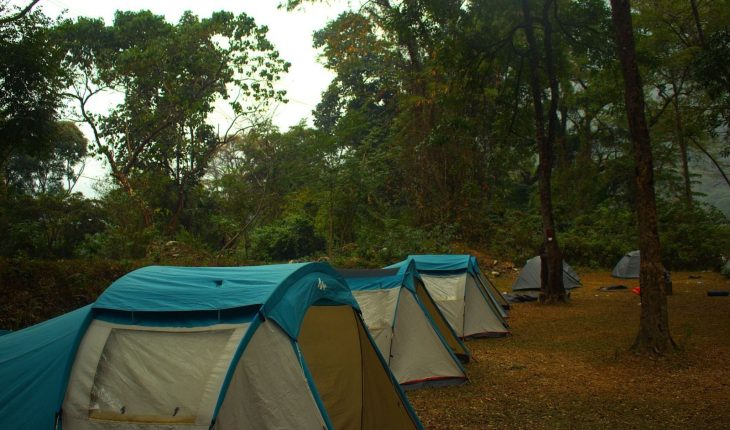
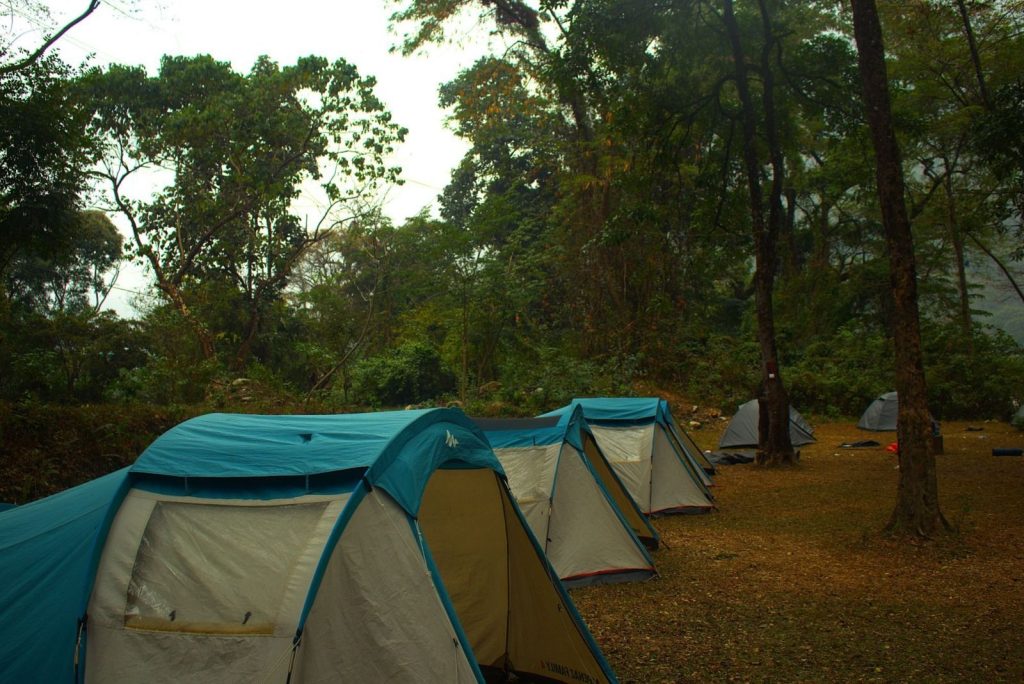
In the quiet riverside area of Jigmechu in Darla, Bongo under Chhukha District, a small group of community members has turned a simple idea into a growing eco-tourism initiative that is gradually attracting both local and international visitors.
What began as a modest effort during the difficult period of the COVID-19 pandemic has today developed into a community-based tourism group that aims to promote the natural beauty and cultural experiences of southern Bhutan.
The Jigmechu Eco-Tourism Group was formed in December 2021 by eight members from the local community. The initiative emerged at a time when businesses across the country were struggling due to the global pandemic.
With tourism halted and many people facing economic uncertainty, the members came together to explore ways they could contribute to the local economy while also creating opportunities for their community.
According to community member and coordinator Wangchuck Dorji, the idea was born out of discussions among local residents who wanted to make use of the natural resources and scenic landscape around Jigmechu.
“When COVID-19 affected many businesses and people were facing difficulties, we started discussing how we could do something that would help our community and also support the country’s economy,” Wangchuck Dorji said, adding that is when they thought about eco-tourism because our area has beautiful nature and many visitors pass through southern Bhutan.”
To start the initiative, the eight founding members contributed Nu 5,000 each as an initial investment, raising a total of Nu 40,000. Though the amount was small, it helped them begin organizing activities and planning how to develop tourism services in the area.
From the beginning, the group aimed to focus on eco-friendly tourism that would highlight the natural environment while creating income opportunities for local people.
The members agreed that tourism development should remain community-based and should involve people from nearby villages whenever possible.
Over the past few years, the Jigmechu Eco-Tourism Group has gradually expanded the range of services it offers to visitors.
One of the most popular activities is rafting along the river near Jigmechu, where tourists can experience the scenic surroundings while enjoying adventure sports.
In addition to rafting, the group also offers zip-line activities, which provide visitors with a unique view of the surrounding landscape. The zip-line has become especially popular among young travellers and domestic tourists looking for adventure experiences.
Pilgrimage tours are another important part of the group’s tourism services. The region has several religious and cultural sites that attract pilgrims and visitors who are interested in Bhutan’s spiritual heritage.
The group organizes guided visits to these sites, allowing tourists to learn about the cultural and religious significance of the area.
Village trekking is also promoted as part of the eco-tourism experience. Visitors are taken on walks through nearby villages where they can interact with local residents and experience rural life in southern Bhutan.
These tours help tourists understand local traditions, farming practices, and daily life in the community.
Another important initiative of the Jigmechu Eco-Tourism Group is its effort to involve young people, particularly students, in tourism activities.
During the winter season, when many students have school holidays, the group provides opportunities for them to work part-time and earn some income.
Students are given tasks such as assisting with guiding visitors, helping in organizing activities, and supporting event arrangements.
The initiative is designed to help young people gain work experience while also encouraging them to understand the potential of tourism in their community.
“We want the younger generation to see tourism as an opportunity,” Wangchuck Dorji explained. “By working during their winter holidays, students can learn skills and also earn some income.”
The group has also adopted a unique management structure to ensure fairness and shared responsibility among members. Each year, the chairman of the group changes, with leadership rotating among five members.
This system allows different members to take on leadership roles while ensuring that decisions remain collective and transparent.
According to Wangchuck Dorji, this rotating leadership system has helped maintain trust among members and has contributed to the smooth functioning of the group.
“Since we rotate the chairman each year, everyone gets the chance to lead and contribute ideas,” he said. “This has helped us avoid misunderstandings and work together effectively.”
Despite starting with limited financial resources, the Jigmechu Eco-Tourism Group says the initiative has been progressing steadily.
While the group is still growing and expanding its services, members say they have not faced major financial losses so far.
Instead, they believe the initiative has begun to show positive results by bringing visitors to the area and creating small but meaningful income opportunities for the community.
Tourism in southern Bhutan has been gaining attention in recent years, particularly as travellers seek less crowded destinations where they can experience nature and local culture.
Community-based tourism initiatives such as Jigmechu Eco-Tourism are increasingly seen as a way to diversify tourism offerings beyond traditional destinations.
Looking ahead, the group plans to further promote Jigmechu as a tourism destination while maintaining its focus on eco-friendly practices and community participation.
“We want more people to visit Jigmechu and experience the beauty of this place,” Wangchuck Dorji said. “At the same time, we want tourism to benefit the community and protect the environment.”
As tourism gradually recovers after the pandemic, initiatives like the Jigmechu Eco-Tourism Group demonstrate how local communities can play a key role in promoting sustainable tourism while strengthening rural livelihoods in Bhutan.
What started as a small idea among eight community members during a difficult time has now grown into a promising local initiative one that reflects the resilience, cooperation, and vision of the people of Jigmechu.