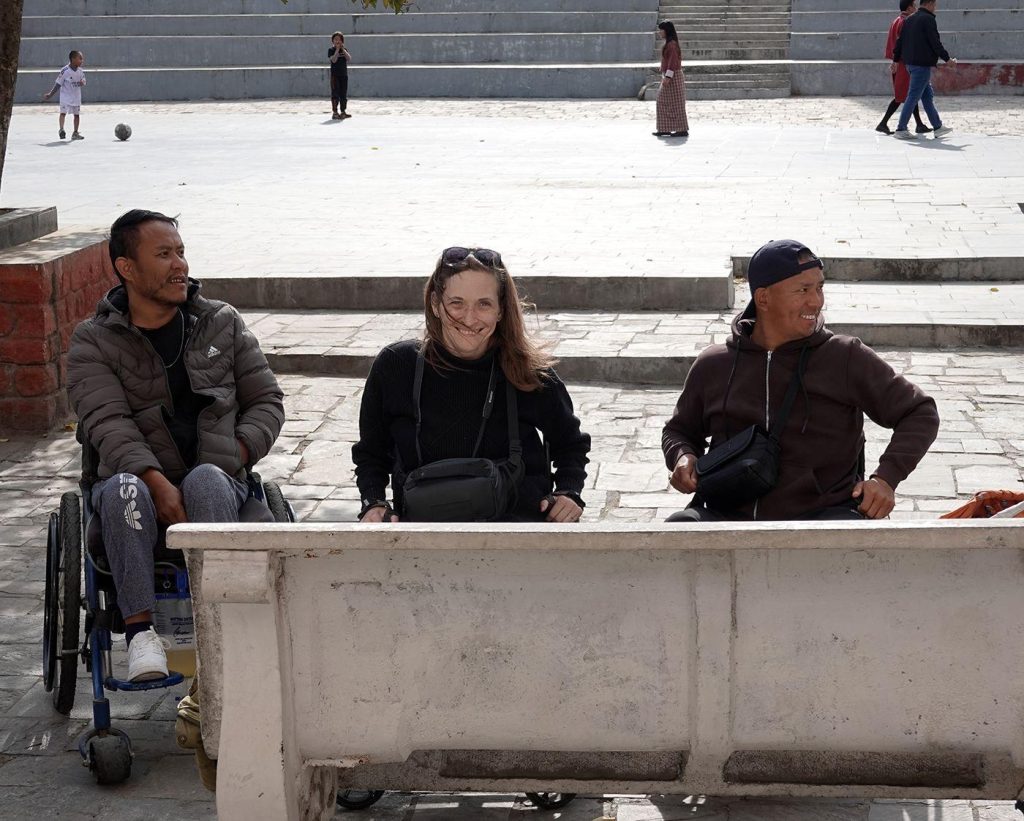
New York based professional photographer trains photography to Bhutanese with disabilities
KARMA CHOGYAL YOEZER | Thimphu
A professional photographer, Christine L. Mace, based in New York and specializing in social documentary photography, is leading an inclusive and impactful training initiative in Thimphu from March 10 to March 28.
The program focuses on teaching photography skills to persons with disabilities, creating meaningful opportunities for creativity, self-expression, and potential income generation, particularly in a context where access to skill-based education remains limited for many individuals.
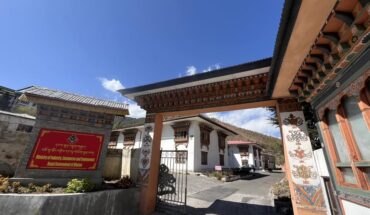
The training sessions are being conducted at the Zhung Dratshang, Preservation & Antiquities Conservation Center located in Babena, ensuring that participants feel comfortable and supported throughout the learning process.
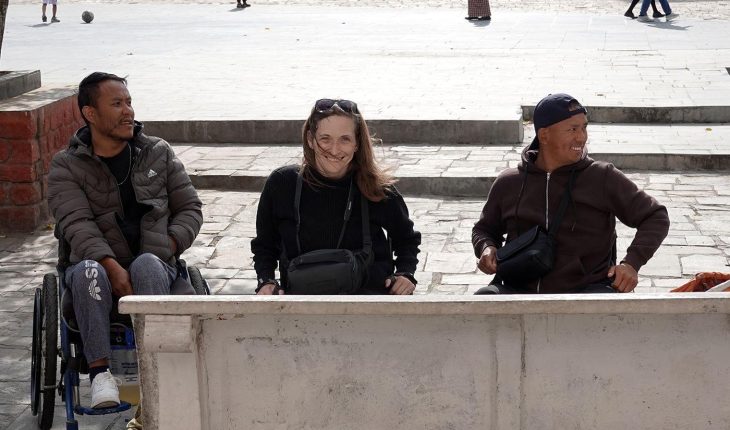
The program is being implemented with the support of the US non-profit Bhutan Cultural Exchange, the Disabled People’s Organization of Bhutan, and the government. Individuals with mobility impairments have come together in a shared space to explore photography under professional guidance.
The trainer, an experienced and accomplished photographer, brings both professional expertise and personal insight into the classroom.
Having faced physical challenges and societal barriers herself, she is able to connect with participants on a deeper level and create an atmosphere of trust and encouragement.
The program offers a comprehensive curriculum that introduces participants to both the technical and creative aspects of photography.
Lessons include camera operation, understanding light and exposure, framing, composition, and the fundamentals of visual storytelling.
The training is carefully structured to balance theoretical knowledge with practical application.
This, organizers said, allows participants to immediately apply what they learn through hands-on exercises, strengthening both their confidence and skill levels.
One of the most notable features of the initiative is its adaptive teaching approach.
Recognizing that each participant has different abilities and learning needs, the trainer uses flexible and inclusive methods.
Demonstrations are adjusted based on mobility levels, and instructions are delivered in ways that are easy to understand and follow.
Participants are given additional time to practice where necessary, and assistive tools or modified equipment are introduced to support their learning.
This personalized approach ensures that no one is left behind and that each individual can progress at their own pace.
A participant, Pema Rigsel, 39, said, “I am able to understand the beauty of photography, and it gives me a sense of inclusion in a community because I am able to do what I thought would be unachievable with my current situation.”
He added that he is now able to see life through a different lens.
Beyond technical learning, participants have emphasized that the program has had a significant personal impact.
For many, it is their first experience in a structured educational setting that fully accommodates their needs.
This sense of inclusion has helped build their confidence and encouraged them to engage more actively with others.
The classroom environment promotes interaction, collaboration, and mutual support among participants, helping to reduce feelings of isolation that some may have previously experienced.
A female participant, Lhamo, 24, stated, “I feel really grateful to be part of this program because it is acting as a stepping stone for me to become a better person than I was.”
The trainer highlighted that the purpose of the program goes beyond teaching photography as a technical skill.
It also aims to challenge long-standing societal perceptions about disability.
By providing a platform where participants can develop and showcase their talents, the initiative seeks to shift the narrative from limitation to capability.
The trainer believes that creativity is not restricted by physical conditions and that, with the right opportunities and support, individuals can achieve professional standards in their work.
“I am hoping to open their eyes to the world around them,” Christine L. Mace said.
She added, “I want them to stop, observe their own community, and think about what is important to visually present, raise awareness, and create a voice through the lens.”
Many say despite the positive feedback on the ongoing program, it operates within a broader environment where persons with disabilities continue to face structural challenges.
Access to education, employment opportunities, and public infrastructure remains limited in many areas. Social stigma and lack of awareness also act as barriers to inclusion.
In this context, initiatives like this photography training play a critical role in addressing these gaps by providing targeted support and empowering individuals at the community level.
As the program progresses, participants are preparing to showcase their work through exhibitions and digital platforms.
These opportunities allow them to present their achievements to a wider audience and demonstrate the quality of their work.
Public exhibitions and online sharing also help raise awareness about the capabilities of persons with disabilities, encouraging more inclusive attitudes within society.
Additionally, they serve as a reminder that when barriers are removed and opportunities are made accessible; individuals can thrive and contribute meaningfully to their communities.
Kathleen Kiefer, President and Founder of Bhutan Cultural Exchange since 2017, said, “With the support of their instructor, they will select their best pieces to be displayed at Pen & Brush, a New York City art gallery, in July 2026.”
She added it will be a wonderful acknowledgement of the students and their efforts, and also an opportunity for an audience outside the Kingdom to experience a slice of life in Bhutan through images created by persons with disabilities who live and thrive here.
The initiative, many say, stands as a strong example of how individual determination, combined with inclusive practices, can lead to meaningful change.