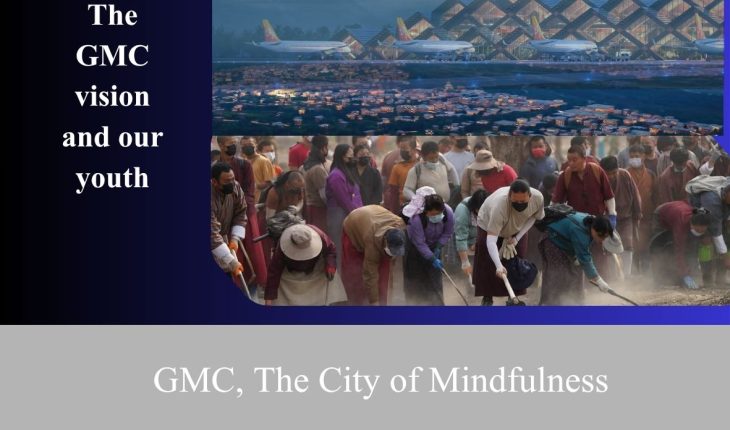
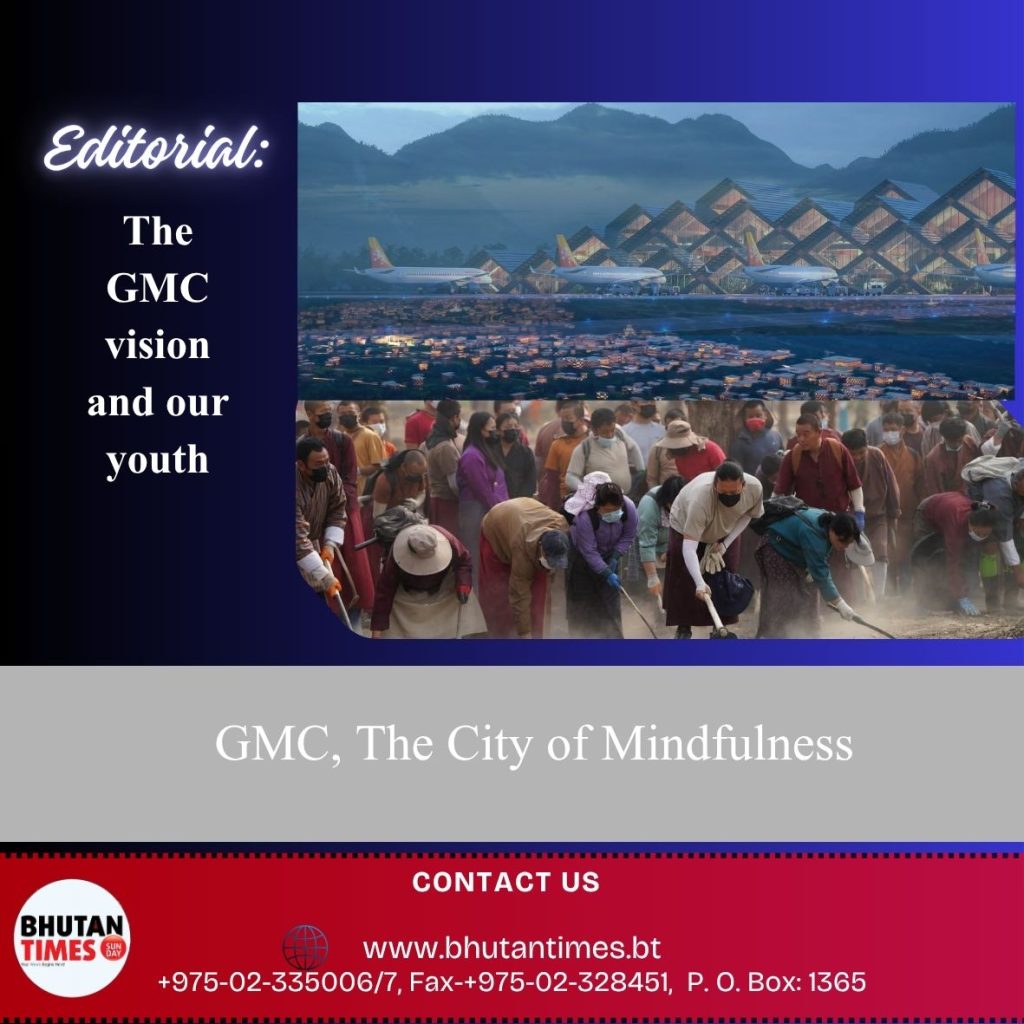
The promise of Gelephu Mindfulness City, more than an ambitious infrastructure project, is a generational opportunity. For Bhutan, the real measure of success will not lie in world-class design or global attention, but in whether our youth are prepared to meaningfully participate in and benefit from this vision.
That preparation must begin now, with a bold rethinking of education, skills training, and the alignment between policy and opportunity.
At present, too many young Bhutanese leave school with limited pathways into gainful employment. The emergence of GMC demands a shift from theory-heavy education toward applied, future-ready skills.
This is not merely about adding new subjects; it is about redesigning the system to produce confident, adaptable, and industry-ready individuals.
To begin with, the government can embed wellness and mindful tourism into the national curriculum. Gelephu is envisioned as a global hub for spiritual retreat, mental well-being, and sustainable living. Our youth should be trained as mindfulness guides, wellness coaches, traditional healing practitioners, and eco-tourism specialists. Partnerships with monasteries, wellness institutes, and international experts can help create certification programs rooted in Bhutanese values yet globally competitive.
In addition, aviation and logistics training must be prioritized. With Gelephu expected to become a major connectivity hub, thousands of jobs will emerge in airport operations, air traffic management, ground handling, hospitality, and cargo logistics. Establishing specialized aviation institutes or expanding technical training centers can ensure that these roles are filled by Bhutanese youth rather than outsourced expertise.
Again, the education system must embrace dual-track learning where students split time between classroom instruction and hands-on apprenticeships. Imagine students working in eco-lodges, wellness centers, or airport facilities while still in school. This approach not only builds competence but also dignity in work, breaking the stigma around vocational careers.
However, incremental reform will not be enough. The scale of Gelephu’s ambition calls for out-of-the-box thinking.
One such idea is the creation of a national service program where youth dedicate to training and service in wellness tourism, environmental stewardship, and community engagement. This would instill discipline, purpose, and employable skills while directly supporting the city’s ecosystem.
Another concept is a “Living Classroom City” model, where parts of Gelephu itself function as training grounds. Schools and institutes could be embedded within operational zones, allowing students to learn in real-time environments—from meditation centers to green infrastructure projects.
Additionally, we could pioneer a “Gross National Employability Index”, complementing Gross National Happiness. This index would track how effectively education translates into meaningful work, ensuring accountability and continuous policy refinement.
Finally, digital innovation must not be overlooked. Youth can be trained to offer virtual mindfulness services, global wellness consultations, and digital tourism experiences, extending Gelephu’s reach far beyond physical borders.
The vision of GMC is bold, but without equally bold investment in our youth, it risks becoming an enclave rather than a national engine of opportunity.
By aligning education with emerging sectors, embracing innovation, and placing young people at the center of this transformation, we can ensure that the city’s success is shared—and sustained for generations to come.