KINLEY KHANDU CHODEN | Thimphu
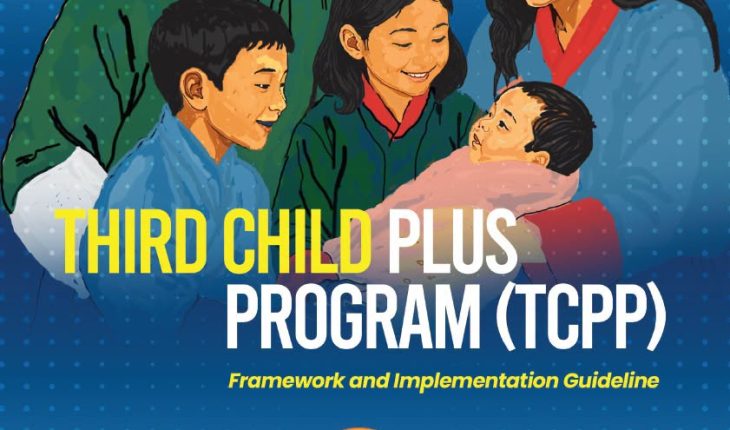
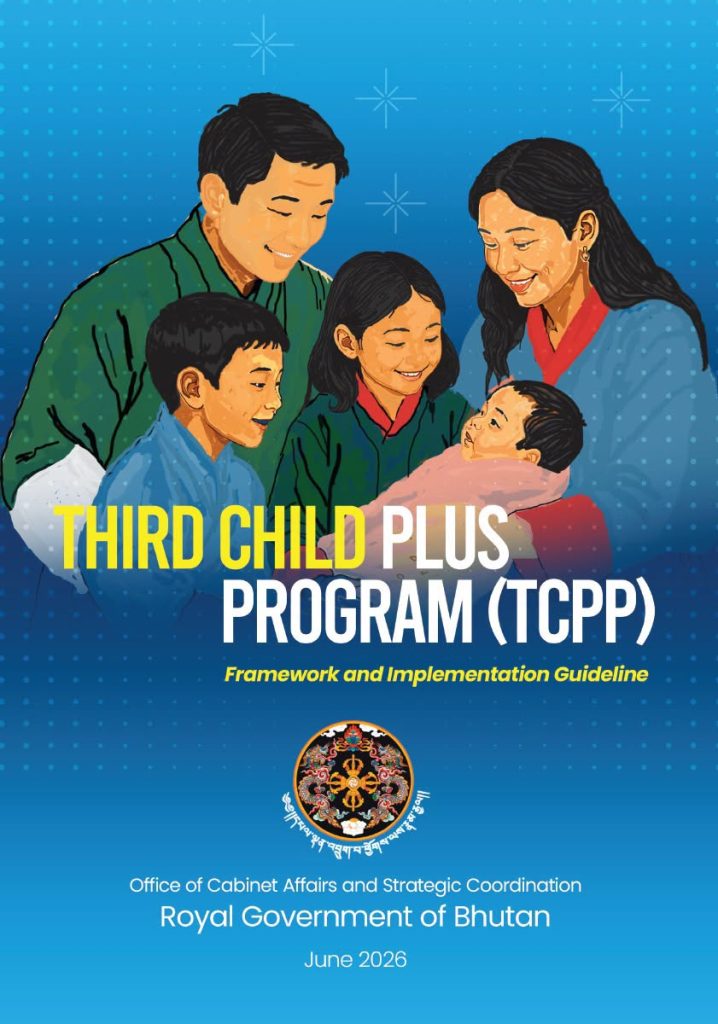
In a move aimed at addressing Bhutan’s declining birth rate and ageing population, the government has launched the Third Child Plus Program (TCPP), which will provide Nu. 10,000 per month for every third and subsequent child until the age of three. The initiative was officially launched on June 4, coinciding with the Birth Anniversary of Her Majesty the Gyaltsuen.
The program comes at a time when Bhutan is facing significant demographic challenges. According to the TCPP Framework and Implementation Guideline, the country’s Total Fertility Rate (TFR) declined from 5.6 in 1994 to 2.0 in 2023, falling below the replacement level of 2.1. According to the TCPP Framework, births registered in Bhutan declined from 11,001 in 2015 to 8,153 in 2024, representing a 34 percent decrease. At the same time, overseas migration and a growing elderly population are reshaping the country’s demographic profile.
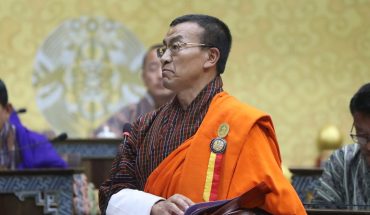
Speaking at the 28th Meet the Press on June 5, Prime Minister Tshering Tobgay said the initiative is designed to support Bhutanese families while responding to long-term demographic concerns.
“Bhutan’s fertility rate has declined, annual births have fallen, and we are also seeing the effects of outward migration and an ageing population. These trends have implications for our future workforce, communities, and socio-economic sustainability. The TCPP is one targeted response to this challenge,” he said.
Under the program, any third or higher-order child—including fourth, fifth and subsequent children—born on or after June 4, 2026, will be eligible for the benefit, provided the child is a registered Bhutanese citizen and fulfils other eligibility requirements. The program will also cover third and higher-order children born before June 4, 2026, who have not yet reached three years of age as of that date. However, no retroactive payments will be made for periods before June 4.
According to the implementation guideline, each eligible child will receive Nu. 10,000 monthly until reaching three years of age. A child enrolled from birth could receive up to Nu. 360,000 over three years. Families with more than one eligible child can receive benefits for each child independently.
The program defines an eligible child as a living biological child whose birth order is third or higher, counted from the mother’s side and recorded in the Bhutan Civil Registration and Census System. The guideline specifies that remarriage, separation, divorce, or adoption do not reset birth order.
Clarifying how eligibility will be determined, the Prime Minister said the assessment would focus solely on the mother’s birth records.
“The eligibility assessment will be based solely on the mother. Regardless of whether a child’s census registration is with the father, authorities will verify the mother’s records. Even if the children have different father, the determining factor is that they share the same mother. The incentive will be provided to the mother based on her birth order records,” he said.
The government has sought to make enrolment straightforward. Once an eligible child is registered in the Bhutan Civil Registration and Census System, the Program Management Unit (PMU) under the Ministry of Health will be notified automatically. Officials will then contact the mother or caregiver to obtain consent and complete enrollment procedures. Payments will be made through direct bank transfers, while support services will be available through Integrated Service Centres, Dzongkhag Service Desks, and Community Centres across the country.
The framework states that the program is expected to help ease the financial burden of raising children and improve maternal and child health outcomes. It also aims to reduce the gap between the number of children families desire and the number they ultimately have by providing additional support to parents who choose to have a third or subsequent child.
The government views the initiative as a strategic investment in Bhutan’s future workforce and demographic stability. According to the framework, children supported under the program will eventually enter the working-age population, helping to strengthen the labour force and support long-term economic growth.
Among those interviewed following the launch, reactions were generally positive, although several respondents noted that broader family-support measures would be necessary to address the root causes of declining fertility.
Sangay Wangmo, a mother of three from Thimphu, welcomed the initiative, saying it could help families manage everyday expenses.
“I welcome the initiative because raising children today is expensive. For families with young children, Nu. 10,000 can help cover essentials like milk, diapers, clothing, and healthcare expenses. While it may not be enough to cover all costs, it is a meaningful form of support,” she said.
Kezang Dorji, a parent and teacher, said broader family-friendly policies would be needed alongside the cash incentive.
“The incentive is a good start, but I don’t think financial support alone will change people’s decisions. Many young couples are concerned about childcare, housing, education costs, and balancing work with family responsibilities,” he said.
Kinga Dema, a 25-year housewife in Lobesa in Punakha shared a similar view, saying that decisions about having children are often influenced by career prospects, stable incomes, and affordable housing rather than financial incentives alone.
The PM stressed that the program is entirely voluntary and is not intended to pressure families into having more children.
“It is about supporting families who wish to have a third or subsequent child, and reducing some of the financial burden that comes with raising young children,” he said.
The TCPP is also part of a broader effort to create a more family-friendly environment. The government has indicated that additional measures under consideration include childcare support services, fertility services, paternity leave, flexible working arrangements, work-from-home options, and other pro-family initiatives.
Implementing the program will require a substantial financial commitment. The government estimates that the initiative will cost approximately Nu. 1.5 billion over three years and Nu. 2.2 billion over five years, describing it as a long-term investment in reversing demographic decline and securing Bhutan’s socio-economic future.
The government views the TCPP as a strategic investment in reversing demographic decline and supporting Bhutan’s long-term socio-economic development.