DAWA ZANGMO | Thimphu
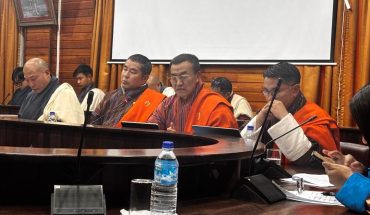
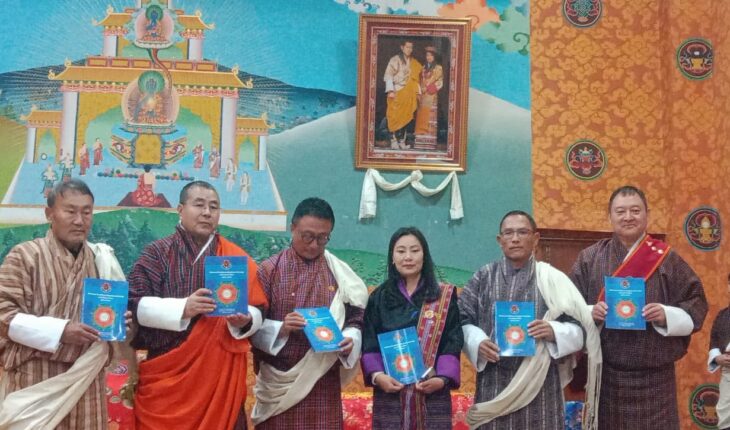
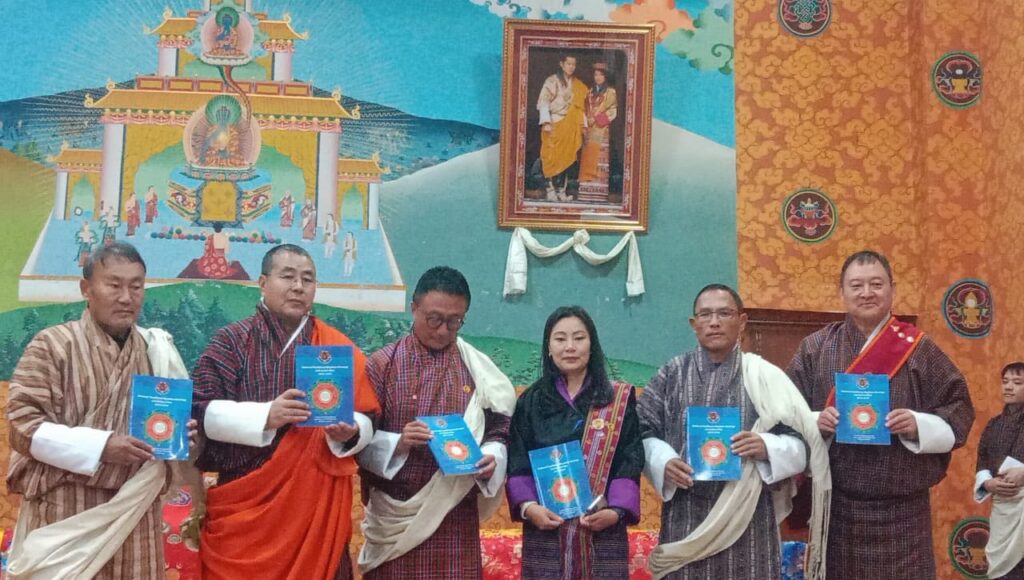
he Ministry of Health marked a significant day for traditional medicine sector with the inauguration of the National Center for Traditional Medicine Services (NCTMS), the launch of the National Traditional Medicine Strategy and Action Plan (2025–2034), and the signing of a major grant agreement with the Bhutan Foundation. The event, held on 28 November 2025, which coincided with the birth anniversary of His Majesty the Fourth Druk Gyalpo Jigme Singye Wangchuck.
This developed by the Department of Health Services (DoHS) under the Ministry of Health (MoH), the National Traditional Medicine Strategy and Action Plan (2025–2034) outlines a comprehensive ten-year roadmap for the modernization and advancement of traditional medicine. The document was created through an extensive and inclusive consultation process and provides detailed strategies to position traditional medicine as a viable and sustainable response to evolving health needs.
According to the Director General of the DoHS, Kinga Jamphel, the strategy is designed to safeguard the country’s cultural and spiritual heritage while ensuring that traditional medical practices remain relevant and effective for present and future generations. Supported by the Bhutan Foundation, it emphasizes the importance of balancing modern innovation with the preservation of indigenous knowledge systems.
A core feature of the strategy is the integration of traditional medicine with contemporary healthcare systems. Kinga Jamphel stated that the plan seeks to combine traditional wisdom with modern scientific approaches through rigorous research, technological advancement, and evidence-based practices. These efforts aim to strengthen the safety, efficacy, and accessibility of traditional medicine services across Bhutan.
The strategy further highlights the potential of traditional medicine to contribute to economic diversification. It outlines goals to develop sustainable herbal resource management, expand wellness industries, and promote wellness tourism as a means of generating employment and supporting local economies. The MoH noted that the strategic development of these sectors could enhance Bhutan’s reputation as a destination for holistic wellness.
To facilitate the successful implementation of the ten-year strategy, a grant agreement was signed between the MoH and the Bhutan Foundation. The grant agreement valued at Nu. 44 million (USD 0.5 million) and spanning the next three years, the grant represents a major financial commitment to strengthening the traditional medicine sector. Funds will be directed toward awareness programs, credibility enhancement of traditional medicine services, research and innovation promotion, and the sustainability of medicinal knowledge and resources.
The agreement also supports initiatives aimed at integrating traditional medicine with modern healthcare delivery. According to project documents, this integration will focus on improving service standards, aligning research methodologies, and expanding collaborative networks both within the country and internationally. The MoH stated that these steps are intended to reinforce Bhutan’s standing as a center of excellence in traditional and holistic wellness practices.
Another key component emphasized during the event is professional development. The Ministry plans to enhance the skills and expertise of traditional medicine practitioners through targeted training programs, academic collaborations, and research partnerships.
Strengthening human resources within the traditional medicine sector is expected to improve service quality and contribute to the long-term sustainability of the field.
A major highlight of the ceremony was the formal operational launch of the NCTMS. The establishment of the NCTMS marks a significant institutional transformation for Bhutan’s traditional medicine system. Designed as a unified national body, the center will oversee service delivery, education, research, and wellness promotion under a consolidated framework. Officials stated that centralizing these functions will streamline operations, enhance coordination, and strengthen accountability across the sector.
The Ministry emphasized that the NCTMS will play a critical role in operationalizing the goals outlined in the new strategy and action plan. With a mandate to strengthen national standards, promote innovation, and support professional development, the center is expected to serve as a hub for advancing Bhutan’s traditional medicine capabilities.
The inaugural event signified the culmination of months of collaborative effort among government agencies, experts, and partner organizations. MoH expressed its appreciation to the Bhutan Foundation for its continued support, noting that the partnership reflects a shared commitment to preserving Bhutan’s traditional knowledge while adapting it to contemporary health challenges.
As Bhutan continues to navigate evolving healthcare needs, the Ministry stated that the strategy, the NCTMS, and the grant agreement collectively represent an important step toward a stronger, more resilient traditional medicine system. These initiatives are expected to guide policy decisions, operational improvements, and sector-wide transformation over the coming decade.
The event concluded with a reaffirmation of the Ministry’s vision to ensure that traditional medicine remains an integral and dynamic component of the nation’s healthcare landscape. Officials stated that with sustained collaboration, research, and investment, Bhutan aims to enhance both national well-being and global recognition of its traditional healing heritage.