RENUKA RAI | Thimphu
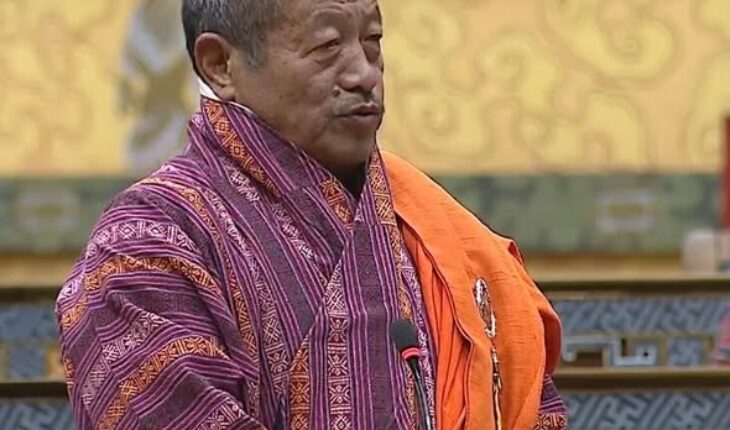
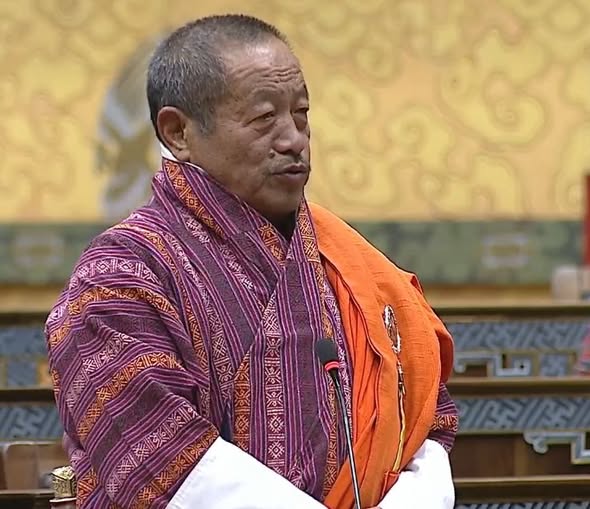
Bhutan is poised to take a major step in strengthening its long-standing reputation for environmental protection and wildlife conservation as the National Assembly continues deliberations on the Framework Agreement on the Establishment of the International Big Cat Alliance (IBCA). The agreement, which seeks to formalise Bhutan’s status as a founding member of the inter-governmental organisation, has been presented in the National Assembly for ratification by the Minister of Energy and Natural Resources, Gem Tshering.
The proposed treaty action is expected to anchor Bhutan’s position within an international coalition dedicated to safeguarding seven of the world’s most iconic and threatened big cat species—the Tiger, Lion, Leopard, Snow Leopard, Puma, Jaguar, and Cheetah. These species, revered for their ecological significance and cultural symbolism, face mounting threats from habitat loss, poaching, human-wildlife conflict, climate change, and illegal wildlife trade. The establishment of the IBCA reflects growing global recognition that conserving these species requires coordinated cross-border action, sustained financial commitments, and shared scientific expertise.
In his presentation, the Minister underscored that the framework agreement closely aligns with Bhutan’s constitutional mandates and long-held conservation ethos. Article 5 of the Constitution enshrines the duty of every Bhutanese citizen to protect the environment and maintain ecological balance. Moreover, the national policy of maintaining at least 60 percent forest cover permanently has positioned Bhutan as a global model for environmental stewardship.
The Minister noted that becoming a fully ratified party to the IBCA will not only reinforce Bhutan’s international commitments but also deepen its influence in shaping global conservation policies. Bhutan’s leadership role is well recognised, particularly given its remarkable conservation milestones, including near-zero poaching rates for tigers, community-based conservation programmes, robust protected areas, and national strategies that prioritise biodiversity alongside sustainable development.
Big cat conservation is directly relevant to Bhutan, particularly because the country serves as a natural habitat for three of the seven species identified by the IBCA Tiger, Snow Leopard, and Common Leopard. These species occupy different ecological zones across Bhutan’s mountainous landscapes, forming essential components of the country’s biodiversity. Tigers thrive in the subtropical and temperate forests, snow leopards inhabit the high-altitude alpine regions, and common leopards occupy a wide range of ecosystems, often at the edge of human settlements.
This ecological diversity places Bhutan in a unique position to contribute critical scientific knowledge, field experience, and conservation success stories to the Alliance. The Minister emphasised that the presence of these species also strengthens Bhutan’s “conservation diplomacy” the use of science-based environmental efforts to advance international collaboration.
The agreement, once ratified, will transition Bhutan from being an invited founding member to a fully ratified party. This shift is significant as it grants Bhutan a stronger voice within the Alliance’s decision-making processes, ensuring that its conservation priorities and ecological realities are well represented. Bhutan’s access to the Alliance’s collaborative platforms will also expand, paving the way for deeper engagement in scientific research, data sharing, and joint conservation initiatives.
One of the key benefits highlighted during the presentation is the potential to enhance Bhutan’s existing conservation partnerships, particularly with India. India is home to some of the world’s largest populations of tigers and leopards and has been a longstanding partner in transboundary wildlife conservation efforts. Both countries share ecological corridors across their borders, making collaboration essential for species movement, genetic diversity, and monitoring of wildlife crime.
The IBCA’s emphasis on international collaboration offers Bhutan additional avenues to engage with countries across Asia, Africa, and the Americas. The inclusion of species such as the Lion, Cheetah, Puma, and Jaguar allows Bhutan to connect with conservation researchers and agencies from regions far beyond its immediate neighbourhood. This global network increases Bhutan’s access to best practices, advanced conservation technologies, and specialised skills in wildlife forensics, remote monitoring, habitat restoration, and climate resilience strategies.
Importantly, the Minister clarified that the agreement imposes no financial obligations on Bhutan. This removes a major barrier for small countries that often face resource constraints in participating in global environmental initiatives. Bhutan will be able to engage fully without incurring additional financial burdens, focusing instead on contributing its expertise and benefiting from international technical support.
The agreement explicitly recognises the growing impacts of climate change on big cat habitats, a concern that is particularly relevant for Bhutan. Rising temperatures, changing precipitation patterns, and the increasing frequency of extreme weather events pose direct and indirect threats to wildlife. For example, warming in high-altitude regions affects the prey base of snow leopards, while erratic rainfall can disrupt the ecosystems that support tiger habitats.
Through the IBCA, Bhutan will have access to a global platform for sharing knowledge on climate adaptation and mitigation, which can enhance national strategies already underway. The country has invested in habitat restoration, wildlife corridors, and community-based monitoring programmes. Joining the Alliance will strengthen these efforts by integrating them with international climate research, enabling Bhutan to contribute mountain-ecosystem knowledge while gaining access to global expertise.
Following the Minister’s presentation, the National Assembly expressed unanimous support for deliberating the agreement. The House then referred it to the Human Rights and Foreign Relations Committee, a body responsible for examining treaty implications, ensuring compliance with domestic laws, and consulting with relevant agencies and ministries.
The committee has been tasked with reviewing the agreement in detail, examining its consistency with Bhutan’s legal framework, national priorities, and foreign policy objectives. It will also assess the potential benefits, risks, and long-term implications of Bhutan’s involvement in the Alliance. The Committee’s consultations include interactions with conservation agencies, government officials, legal experts, and representatives from the Ministry of Energy and Natural Resources. These consultations ensure that a comprehensive understanding of the Agreement is established before the Committee presents its findings.
During the Third Reading held on 5 December 2025, the committee highlighted that the framework agreement aligns seamlessly with Bhutan’s constitutional mandate and long-standing cultural values related to environmental stewardship. As a range country for three major big cat species, the committee reiterated that Bhutan holds a direct stake in the Alliance’s mission.
The committee emphasised that ratifying the agreement would allow Bhutan to move beyond the role of an invited founding member, becoming a fully ratified party with the authority to shape the Alliance’s future direction and participate actively in its decision-making bodies. Members noted that such participation could amplify Bhutan’s conservation voice globally, reinforcing its reputation as a leader in nature conservation.
Another critical insight presented by the committee was that the agreement would expand research opportunities and knowledge-sharing initiatives that could bolster Bhutan’s ongoing conservation programmes. With the country already implementing nationally acclaimed tiger and snow leopard conservation projects, integrating with a global alliance opens the door to innovative technologies and advanced scientific studies.
The committee also assured the house that the agreement does not contradict any existing domestic laws and involves no financial obligations. It informed members that all relevant government agencies and stakeholders had been thoroughly consulted, and all documentation reviewed before finalising its findings.
The House deliberated on a total of 21 Articles within the Agreement. Members expressed strong support for the committee’s conclusions, endorsing all recommendations and signalling Bhutan’s readiness to adopt the agreement on 8 December 2025. This endorsement reflects not only the nation’s commitment to global environmental collaboration but also the widespread recognition of conservation as a national priority that transcends political boundaries.
Bhutan’s forthcoming adoption of the framework agreement on the Establishment of the International Big Cat Alliance marks a significant milestone in its international environmental engagement. More than a treaty, it represents a reaffirmation of Bhutan’s commitment to living harmoniously with nature and contributing meaningfully to global biodiversity protection efforts.
As the world continues to confront biodiversity loss and climate threats, Bhutan’s participation in the IBCA strengthens its position as a champion of nature, offering leadership rooted in experience, culture, and deep respect for ecological balance.