
KINZANG DORJI TSHERING| Thimphu
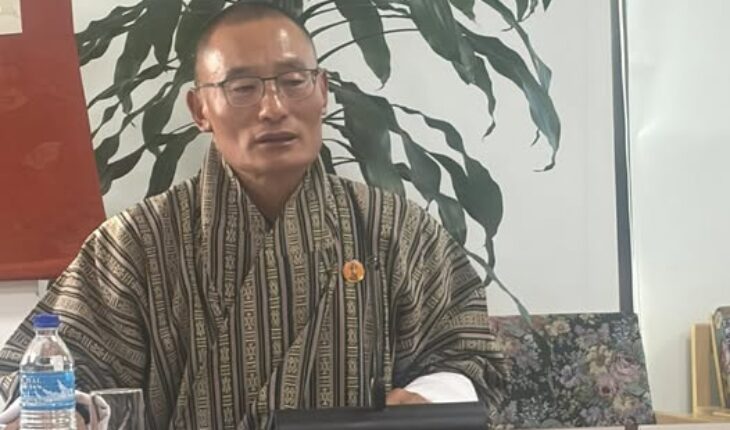
As Bhutan completed the year 2025, the government faced multiple challenges while implementing the 13th Five-Year Plan (13th FYP), according to the Prime Minister Dasho Tshering Tobgay during the 23rd meet the press session held on 31December 2025.
PM Tshering Tobgay said that 2025 marked the second year of implementation of the 13th FYP, a phase that naturally involved adjustment and challenges common to ambitious national development plans. One of the main challenges highlighted was the slow start of plan implementation, largely due to the effort required to mobilise financial and institutional resources. To enhance efficiency, the government introduced a system of annual deliverables for ministries, agencies, and local governments. Institutions are required to submit specific targets for each fiscal year, and agencies are identifying the top five deliverables to be achieved during the remaining period of the 13th FYP. Monitoring mechanisms were strengthened to ensure progress and timely corrective action.
Another challenge was human resource and implementation capacity, affected by continuous attrition within the civil service. The government addressed this by focusing on capacity-building, inter-agency coordination, and enhanced monitoring and review systems, enabling timely course correction.
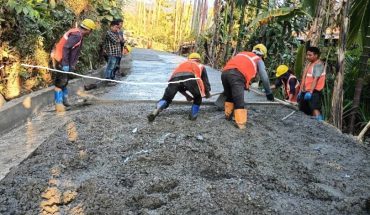
The PM also cited climate and environmental vulnerabilities as a growing challenge that added complexity to planning and execution. He highlighted the heavy rainfall on October 4, which caused extensive damage to public infrastructure, including 17 bridges, and resulted in a projected revenue loss of Nu. 935 million from electricity generation. Regular reviews and stakeholder consultations were conducted to allow adaptive planning and timely responses to such events.
Youth employment and economic diversification were identified as additional challenges. PM Tshering Tobgay explained that creating quality jobs and diversifying the economy beyond traditional sectors required structural reforms that take time to produce results. The government expanded targeted programmes for employment, skills development, and entrepreneurship to address youth unemployment.
Lastly, PM noted limited private sector engagement as a constraint. Factors such as Bhutan’s small market size, limited access to finance, and regulatory bottlenecks made attracting sufficient private investment difficult. To address this, the government conducted a comprehensive review of the business regulatory environment to resolve barriers affecting private sector growth.
While challenges remain, PM Tshering Tobgay said that experiences from the first two years have strengthened the government’s approach, positioning it to accelerate delivery, deepen reforms, and ensure that the objectives of the 13th FYP translate into tangible benefits for the Bhutanese people.
Citizens across the country shared their views on how the 13th Five-Year Plan has impacted daily life, as well as the challenges Bhutan faced in 2025. Namgyel Dorji, a student of Gedu College of Business Studies, said that the plan’s effects are visible in areas such as digital services, road improvements, and access to basic facilities. However, he noted that for many people—especially youth and rural communities—the impact on employment opportunities and income generation remains limited.
Regarding the biggest challenges in 2025, Namgyel Dorji identified youth unemployment as the most pressing issue. He explained that while rising living costs and climate-related events add pressure, unemployment continues to affect long-term economic stability. He also highlighted that heavy rainfall and landslides disrupted communities by damaging roads, affecting agriculture, and impeding daily movement, underscoring the vulnerability of local infrastructure and livelihoods to climate change.
On government programmes for youth, Namgyel Dorji said that initiatives like skills training, entrepreneurship support, and overseas employment schemes are helpful but often limited in reach. He suggested stronger industry partnerships, more practical training, better career guidance, and greater support for start-ups and innovation. Speaking about private sector development, he noted that while some support exists through policies, loans, and incentives, it is still insufficient. Challenges such as access to finance, high operational costs, and regulatory barriers continue to restrict growth. He recommended greater incentives, easier access to credit, and stronger public–private partnerships to boost economic growth and employment.
Similarly, Yeshi Samdrup, a part-time worker from Mongar, shared that the 13th Five-Year Plan is visible to some extent, particularly in digital services, road maintenance, and awareness of green development. Yet, he said, the benefits are uneven, with employment opportunities and income still not strongly felt in everyday life.
For Yeshi Samdrup, employment was also the most critical challenge in 2025. While climate impacts and rising living costs are serious, youth unemployment remains the primary concern affecting social and economic stability. He added that climate-related events such as heavy rainfall and landslides disrupted communities by blocking roads, damaging farms, and affecting daily movement, highlighting vulnerabilities in infrastructure and livelihoods.
Regarding youth programmes, Yeshi Samdrup said that while training, internships, and entrepreneurship support are useful, they are not sufficient. Many programmes focus more on training than job placement. He suggested stronger links with the private sector, practical skill-based training, and better follow-up to ensure trainees secure employment. Finally, on private sector support, he noted that high business costs, limited access to finance, and regulatory challenges hinder growth. More incentives, easier access to loans, and innovation-friendly policies, he said, would strengthen the private sector’s role in creating jobs and supporting economic growth.