RENUKA RAI | Samtse
Farmers of southern part of Bhutan are facing mounting challenges this season as a combination of heavy rainfall and rising temperatures takes a toll on agriculture and daily life.
Once-reliable weather patterns have become increasingly unpredictable, leaving farmers struggling to protect their crops and sustain their livelihoods.
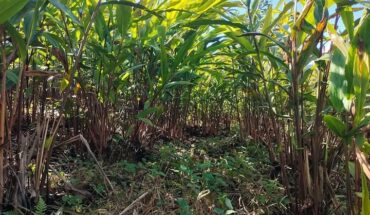
In southern Bhutan, where agriculture remains the primary source of income for many households, crops such as ginger, maize, cardamom and vegetables are now under threat.
While heavy rainfall alone has already caused significant damage, farmers say that sudden spikes in temperature between rains are making the situation even worse.
Kamal Gurung, a 66-year-old farmer from Tashichholing Gewog, under Samtse dzongkhag pointed to his ginger field, where signs of decay are visible.
“The rain is too much, and when the sun comes out, it becomes very hot. This sudden change is damaging the crops,” he said. “The ginger roots are rotting, and some plants are drying up because of the heat.”
Ginger, one of the most important cash crops in the region, is particularly sensitive to excess moisture and fluctuating temperatures.
According to farmers, the combination of waterlogging and heat is accelerating fungal infections and root diseases, reducing both yield and quality.
Maize, another staple crop, is also suffering. Kumar Ghalley, a 40-year-old farmer from Tendu, described how his maize plants have been affected.
“Because of the heavy rain, the soil becomes too soft, and the plants start to fall,” he said. “Then when it gets very hot, the leaves begin to dry and curl. We are losing crops from both sides.” he added that the changing weather has disrupted his daily routine.
“It rains heavily, and then suddenly it becomes very hot. We cannot plan our work. Sometimes we cannot even go to the fields because of the rain, and when we can, the heat is too strong.”
The erratic weather has also created favourable conditions for pests and diseases. Dhan Maya, another farmer from the Tading gewog, said that infestations have increased noticeably this season.
“The continuous moisture followed by heat is bringing more insects and plant diseases,” she said. “Our crops are weaker, and they cannot survive these conditions.”
For Nar Bdr Rai, farmer from Norgaygang gewog under the same dzongkhag the economic impact is becoming a serious concern.
“We depend on cardamom for income, but this year the production will be much lower. We have already spent money. If the yield decreases, it will be difficult for us to manage our expenses.”
In addition to crop damage, daily life has been disrupted. Persistent rainfall has made roads muddy and difficult to use, while sudden heat makes outdoor work exhausting.
Farmers say even basic tasks such as drying crops and tending livestock have become more challenging.
Deepak Rai, a young farmer from the same gewog who recently started farming, shared his concerns about the future.
“I came back to the village hoping to build a stable life through agriculture,” he said. “But now, with this kind of weather, it is very unpredictable. Too much rain damages the crops, and too much heat also damages them. It is becoming difficult to depend on farming.”
He added that drying harvested crops has become nearly impossible. “When it rains continuously, we cannot dry anything properly. And when the sun comes out, it is too hot and sudden. This affects the quality of whatever little we can harvest.”
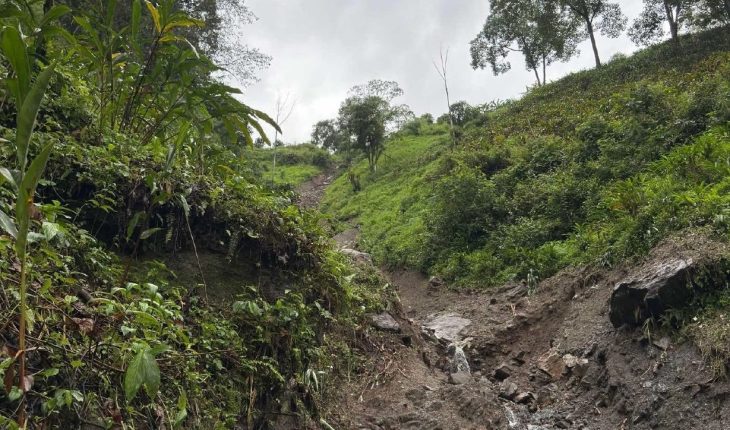
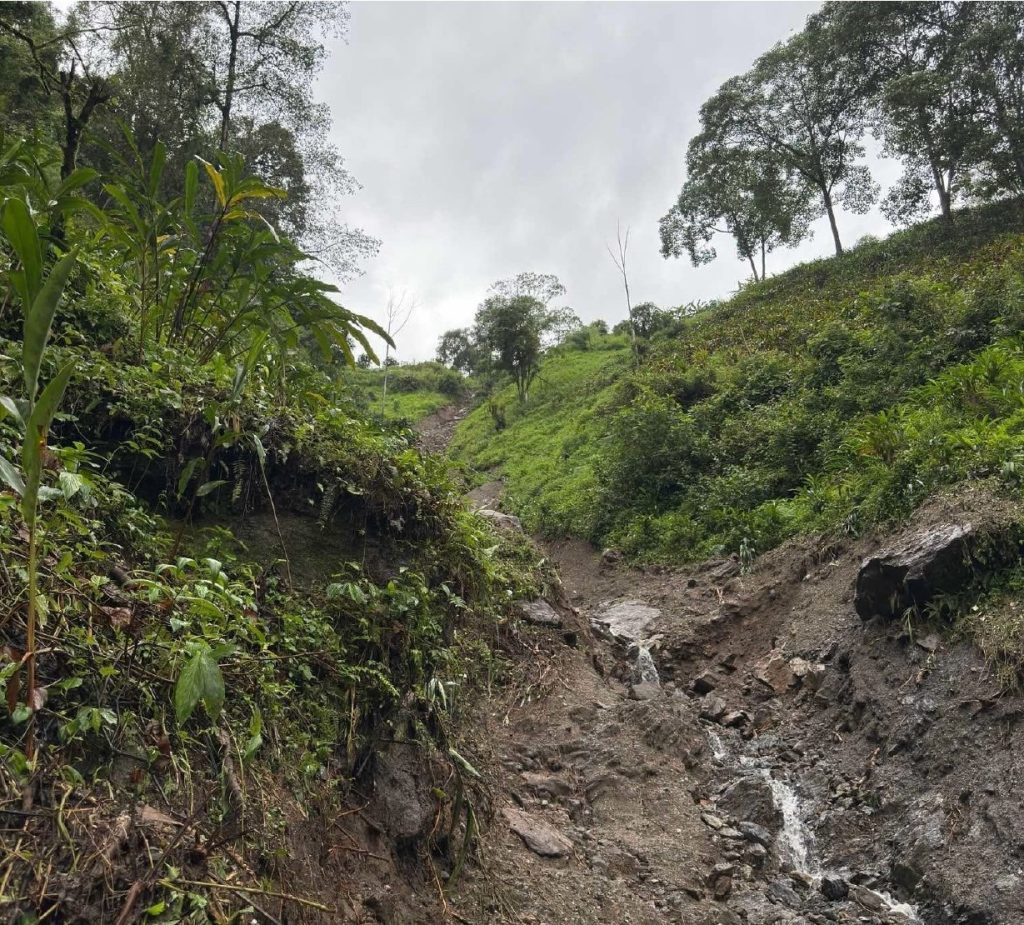
Across Norgaygang Gewog, the effects of the changing weather are clearly visible. Fields show signs of erosion due to heavy rainfall, while some crops appear scorched after exposure to intense heat.
Small irrigation channels have overflowed, and footpaths have turned slippery, making movement between villages more difficult.
Farmers say that such extreme and inconsistent weather patterns were not common in the past.
“Earlier, the weather was more stable,” said another farmer from the same gewog, Dhan Kumar. “We knew when it would rain and when it would be sunny. Now, everything is changing. It rains too much, and then suddenly it becomes very hot.”
Agriculture officials have long warned about the impact of climate variability on Bhutan’s farming communities, particularly in the southern regions that are more exposed to monsoon rains and rising temperatures.
For now, many farmers continue to monitor their fields daily, hoping for more balanced weather in the coming weeks.
But with losses already mounting, uncertainty remains high. “We are just hoping for stable weather,” said Pema Tamang from the same gewog. “Not too much rain, not too much heat. That is all we need to save our crops.”
As climate patterns continue to shift, the experience of farmers reflects a broader challenge facing agriculture in Bhutan one where resilience and adaptation are becoming increasingly essential for survival