DAWA ZANGMO | Thimphu
Ginger growers in Choodung-Kakani chiwog under Martshala gewog in Samdrup Jongkhar are facing a difficult season, as both crop conditions and market prices have worsened.
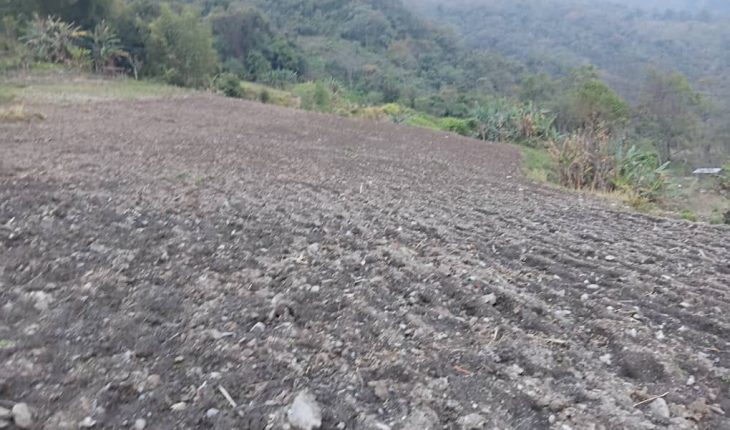
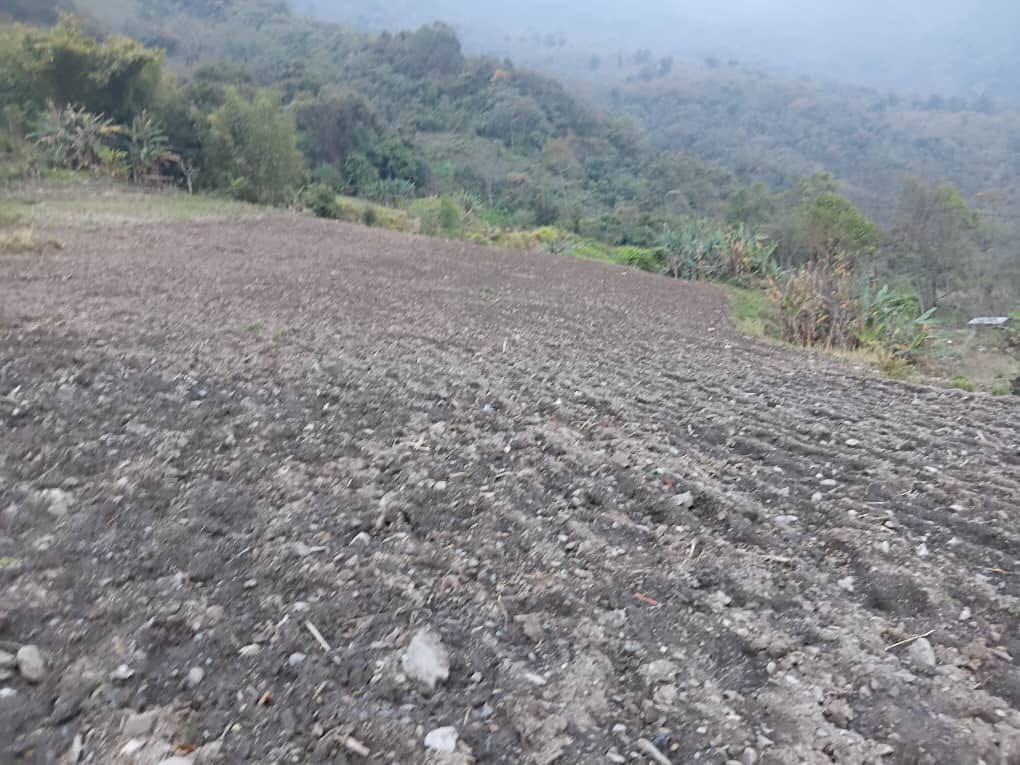
Farmers report that ginger crops are rotting in the fields during the growing stage, while prices have fallen significantly compared to the past two years.
With ginger serving as a primary source of income, many households are increasingly concerned about recovering their investment and sustaining their livelihoods.
Farmers in the chiwog typically harvest ginger twice a year. However, this season has brought unexpected challenges.
In addition to crop damage, the market price of ginger has dropped by around Nu 25 per kilogram compared to last year, further intensifying financial pressure on farming households.
According to Chiwog Tshogpa Yeshi Wangchuk, all 40 households in the chiwog are engaged in ginger cultivation, although six houses are currently abandoned.
He stated that nearly 140 individuals are being affected by the declining prices and poor crop conditions. Ginger, along with cardamom, remains one of the main sources of income and livelihood for the community.
Yeshi Wangchuk explained, “All 40 households, including six that are currently unoccupied, rely heavily on ginger and cardamom cultivation for their livelihoods. Most farmers depend primarily on ginger as their main source of income.”
He added that in previous years, ginger fetched between Nu 100 and Nu 120 per kilogram, but prices have now fallen sharply to around Nu 25 to Nu 27 per kilogram.
“Due to this drastic drop in prices, farmers are gradually losing interest in ginger cultivation,” he said.
Farmers in the chiwog identified the decline in market price as the most pressing issue this season. However, the exact reasons behind the price drop remain unclear.
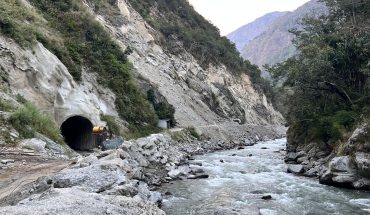
Despite improvements in infrastructure, including the construction of a bridge connecting farms to market areas, the benefits have been overshadowed by weak market demand and falling prices.
Each household in the chiwog cultivates ginger on approximately two to three plots. Farmers say that even with access to better transportation routes, their income has been severely affected due to the lack of buyers and declining market value.
Community members have already raised the issue with local gewog authorities. However, they report limited response so far.
Farmers expressed hope that government intervention, particularly through collaboration with neighboring countries such as India, could help improve export opportunities and stabilize prices.
“We have informed the local gewog authorities about the falling prices, but there are very few buyers in the market,” Yeshi Wangchuk, Chiwog Tshogpa shared.
“We believe that if the government collaborates with neighboring countries, especially India, to export ginger, it could help increase demand and improve prices,” he added.
They further emphasized the need for long-term solutions to ensure sustainable farming. Farmers are calling for policies that guarantee stable and fair pricing for agricultural products like ginger, which play a crucial role in rural livelihoods.
At least 20 farmers have formally reported the issue to the gewog agriculture extension office as well as to the ministry concerned, seeking support and intervention.
Lhendup Dorji, a 50-year-old farmer, said that ginger cultivation has long been the backbone of their household income.
“We usually plant using stored ginger seeds, and ginger has always been our main source of income,” he said. “Whatever expenses we have, we depend on the income from ginger. Now the crops are failing, and prices have dropped below Nu 30 per kilogram. We are uncertain about how to manage our situation.”
He further explained that larger ginger is currently being sold at around Nu 30 per kilogram, while smaller ginger fetches as little as Nu 10 per kilogram.
“With such low prices, it has become very difficult for us to sustain our livelihoods,” he added.
Similarly, Singay Wangchuk, a 29 years old farmer who has been cultivating ginger for about eight years, shared his concerns about the declining profitability of farming.
“Our cardamom crops have already failed, which is why we shifted our focus to ginger cultivation,” he said. “Now even ginger prices have dropped significantly, and we are left with no reliable source of income.”
He noted that in the past, farmers produced larger quantities of ginger and benefited from higher market prices.
“Earlier, we used to harvest a good amount of ginger and earn better returns. Now prices have fallen drastically, and farmers are losing interest in continuing cultivation,” he said.
Reflecting on past support, he added, “During the lockdown period, the government procured ginger at reasonable prices, which helped farmers sustain themselves. Now that prices have dropped again, we are struggling to meet our basic needs. We hope the government can once again step in and purchase ginger at fair rates.”
Another farmer, Dungchu Dema, also expressed over the current situation.
“This year, I attempted to cultivate ginger, but the falling prices have discouraged me from continuing,” she said.
She explained that ginger farming requires significant labor and investment.
“Before planting, we have to prepare the fields, and after that, we need to weed the crops three to four times before harvesting,” she said. “With prices so low, we are unable to earn sufficient income, and it results in losses for us. We are unsure about what steps to take next.”
The ongoing challenges in Choodung-Kakani chiwog highlight the vulnerability of farmers who rely heavily on a single cash crop.
With both production and market conditions deteriorating, growers are increasingly calling for timely intervention and long-term strategies to safeguard their livelihoods.