KINZANG DORJI TSHERING | Thimphu
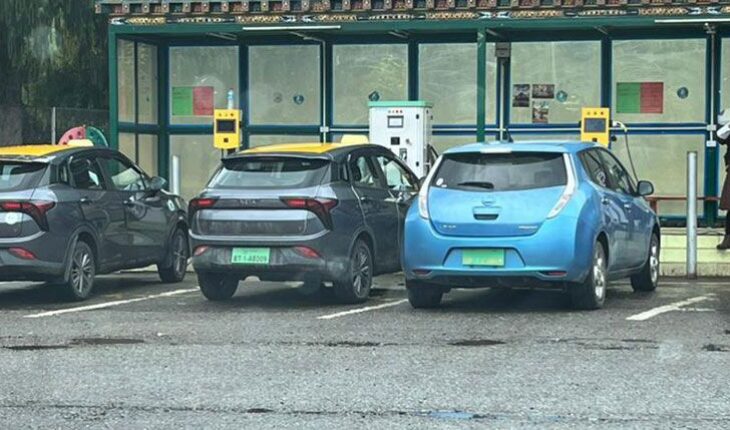
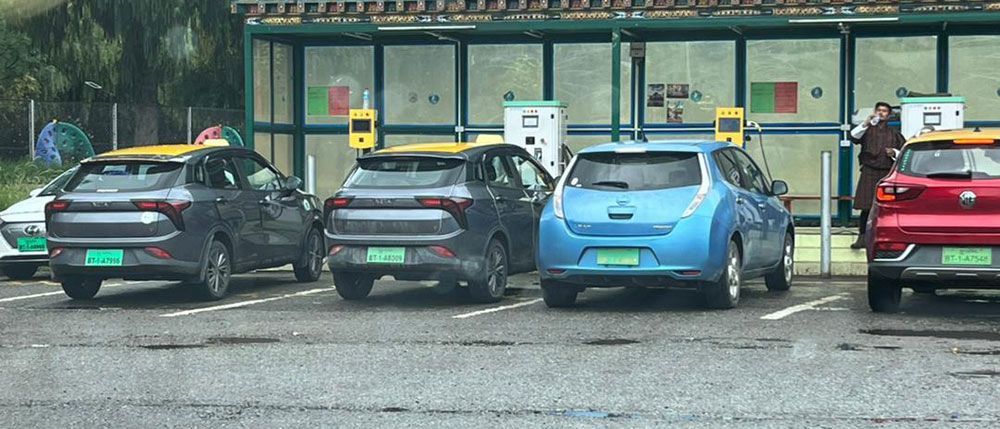
As electric vehicles (EVs) become more common in Bhutan, new challenges are emerging beyond building charging stations.
With more EVs on the roads, the country needs trained technicians and proper repair services to keep these vehicles running smoothly.
Unlike regular cars, electric vehicles need special skills to handle their electrical systems, batteries, and software checks, and these skills are not yet widely available among local mechanics.
To help, training programs are being set up to teach mechanics how to repair and maintain electric vehicles. These programs are important for Bhutan’s move toward cleaner, greener transportation.
Prabhad Biswa, an expert in after-sale services and electric vehicle training, said Bhutan faces big challenges in maintaining EVs. He explained that battery systems are one of the main problems.
“Battery issues are a major concern because the technology is based on electronics, and when these components fail, it can cause significant problems,” he said.
He also noted that electric vehicles sometimes show abnormal readings or problems in their systems, which makes maintenance harder.
“Water damage is also common, especially when water gets into the electrical system of the car. These problems need special tools and trained technicians,” Prabhad Biswa added.
He explained that other important parts like power electronics, inverters, and motors can also fail and are difficult to repair.
“To solve these problems, we need experts trained in high-voltage systems who know how to repair these complicated components,” Prabhad Biswa said.
He added that the lack of skilled technicians is a big obstacle to more people using electric vehicles in Bhutan.
Kinga Rabzay Wangchuk, a resident, said that EVs are “good since they are eco-friendly,” but he also mentioned that spare parts are hard to find and charging stations are limited outside major towns.
“Charging takes longer compared to filling petrol, which makes it difficult for daily use,” he added.
Rinchen Dorji, who drives to work every day, said Bhutan should use more electric vehicles to save energy and reduce fuel use. He said he has thought about using an EV because of their power and efficiency, but the limited number of charging stations and service centers is a problem.
“There are not enough trained technicians, especially for new brands of electric cars,” Rinchen Dorji explained.
Sonam Tobden, another resident who drives daily, said EVs are a good choice in Bhutan because the country has clean hydropower, which makes electric cars efficient and cheap to run.
He said reliable charging stations are very important. “EVs can help reduce pollution and save energy, but without enough chargers and skilled mechanics, it can be hard for people to use them,” Sonam Tobden said. He also noted that training for technicians is improving but more skilled workers are needed.
The government is promoting electric vehicles as part of its plan for clean and sustainable energy. Efforts are being made to build more charging stations, train mechanics, and teach the public about electric vehicles. Training programs for technicians are important to support the growing number of EVs in the country.
The opinions of experts like Prabhad Biswa and residents such as Kinga Rabzay Wangchuk, Rinchen Dorji, and Sonam Tobden show that while EVs are good for the environment, practical challenges like maintenance and infrastructure need to be solved.
For Bhutan to succeed in moving toward electric vehicles, it must ensure proper repair services, expand charging stations, and develop skilled technicians across both towns and rural areas.
As Bhutan increases its adoption of electric vehicles, the need for skilled technicians and a robust service infrastructure is becoming more urgent. Training programs focused on EV maintenance are helping to address these gaps, equipping individuals with the necessary skills to manage the complexities of electric vehicle technology.
However, challenges such as a shortage of trained professionals and limited charging stations remain. To fully support the transition to electric mobility and meet the country’s carbon-neutral goals, continued investment in education, technical expertise, and charging infrastructure will be essential.
With these steps, Bhutan can make the shift to electric vehicles successful and support a cleaner, greener future for the country.