RENUKA RAI | Gelephu
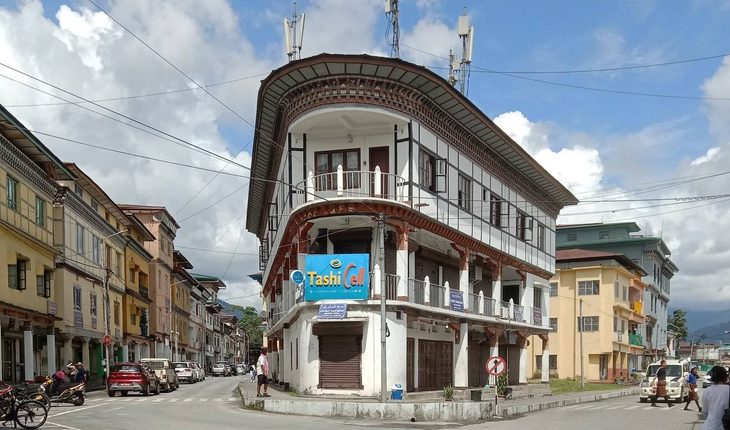
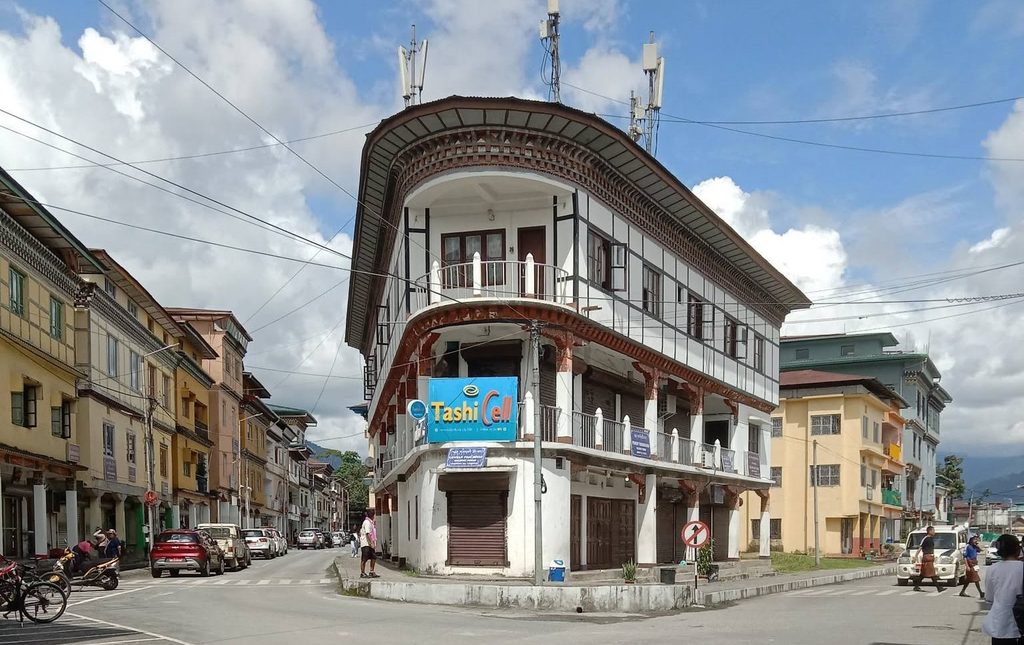
Gelephu’s business environment is entering a period of change as the development of Gelephu Mindfulness City (GMC) attracts investment interest, introduces new commercial opportunities and creates prospects for local entrepreneurs in the southern town.
Traditionally, businesses in Gelephu have depended largely on local customers, travellers and cross-border trade. However, the growing activities surrounding GMC are expected to expand the town’s commercial market, creating potential demand for accommodation, food services, transportation, retail, construction, tourism and other supporting businesses.
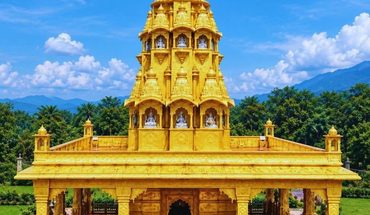
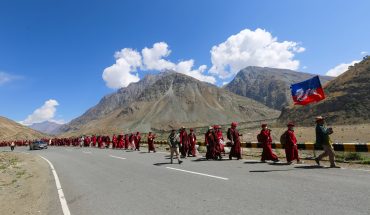
The raising of the 108 Jangchub Chortens on November 1 offered an indication of the scale of economic activity that major events can bring to Gelephu. Around 40,000 volunteers participated in raising the 108 chortens along the Mau Chhu River corridor in a single day. Around 200,000 people gathered to witness the historic religious event.
The gathering brought visitors from across Bhutan and abroad, placing Gelephu in the international spotlight. The large number of people travelling to the town also presented opportunities for businesses providing accommodation, food, transportation and retail services.
Beyond major events, GMC is positioning several economic sectors for private investment, with tourism identified as one of its eight priority industries.
At the GMC Tourism Investment Opportunity Forum, officials presented 20 tourism attractions and 20 tourism activities for potential private investment. The proposals included adventure parks, capsule hotels, wellness retreats, water festivals, cultural attractions and other experience-based tourism activities.
The proposed investment requirements range from approximately USD 100,000 to more than USD 40 million, offering opportunities for investors with different financial capacities.
The investment initiative is intended to encourage private-sector participation in developing Gelephu as a tourism destination. It also creates potential opportunities for Bhutanese entrepreneurs, particularly small and medium enterprises, family businesses and young investors.
To support participation, GMC introduced a Tourism Spark Fund worth approximately Nu 30 million. The fund is intended to support tourism-related businesses through micro-grants, interest-free loans and equity participation.
GMC has also partnered with DK Bank to explore financing options for tourism projects, with the aim of making investment more accessible to smaller businesses that may face difficulties securing capital.
These initiatives are expected to help entrepreneurs develop tourism products and services while encouraging greater participation by Bhutanese businesses in the emerging tourism market.
The hospitality sector is another area expected to benefit from the development. One of the early commercial developments is the ChoeGo Building, a mixed-use facility expected to accommodate more than 15 companies and organisations. The building is planned to bring together business, hospitality, lifestyle and other commercial services.
The hospitality development agreement between the GMC Authority and BTCL is among the early partnerships signed by the authority. The hotel is expected to provide accommodation for visitors, investors and business travellers.
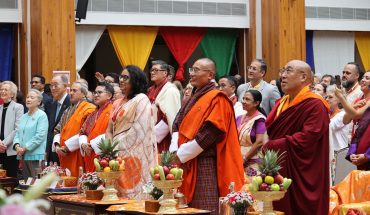
International investment interest is also becoming part of GMC’s expanding commercial landscape. On November 1, Aman Group, Patience Capital Group and GDL-Raven signed a memorandum of understanding to pursue a strategic partnership supporting GMC.
The proposed collaboration brings together international hospitality expertise and investment management capabilities, with the aim of attracting long-term real estate investment and supporting the development of Gelephu.
However, the proposed fund structure and partnership arrangements remain subject to further discussions and approvals.
Beyond tourism and hospitality, GMC’s development strategy focuses on eight core priority industries: spiritual; health and wellness; education and knowledge; agri-tech and forestry; green energy and technologies; finance and digital assets; aviation and logistics; and tourism.
The expansion of these sectors could create demand for a range of supporting businesses. Construction suppliers, transport operators, food producers, logistics companies, retailers and professional service providers could find opportunities as new investments and commercial activities take shape.
Local agricultural producers could also benefit from potential demand for fresh produce and food supplies as hotels, restaurants and other hospitality businesses expand. However, the extent of these opportunities will depend on the growth of the businesses and the ability of local suppliers to meet their requirements.
To facilitate investment, GMC is developing a one-stop investor support system that includes assistance with company incorporation, land identification, lease guidance, regulatory clearances, coordination with government agencies and investor aftercare.
The system is intended to simplify the process of establishing businesses and provide investors with support throughout their investment journey.
For existing businesses, the emerging economic environment could bring both opportunities and challenges. Entrepreneurs may need to improve service standards, strengthen management capacity, access financing and develop products that can meet the expectations of new visitors, investors and future residents.
Access to information about investment opportunities and financial support will also be important, particularly for smaller businesses that may have limited experience in large-scale commercial ventures.
As GMC moves towards implementation, the participation of local entrepreneurs will be important in ensuring that economic opportunities extend beyond major investors.
For Gelephu, the growing investment interest, tourism initiatives and commercial developments represent an opportunity to diversify its economy and create new sources of employment and income.
While the transformation will take time, the developments taking shape are expanding the town’s economic possibilities. The challenge ahead will be turning investment plans and growing commercial interest into sustainable businesses, jobs and livelihoods for the people of Gelephu.