DAWA ZANGMO | Thimphu
The eco-friendly training and labelling initiative supported by the Canada Fund for Local Initiatives (CFLI) has successfully concluded in Mongar Dzongkhag.
The project was implemented by the Horticulture Association of Bhutan (HAoB) with the objective of promoting environmentally responsible business practices among local market vendors.
The program benefited vegetable vendors and agri-entrepreneurs in eastern Bhutan through capacity development and sustainable market practices.
The training and labelling activities focused on sustainable packaging methods, proper product labelling, transparent pricing systems, and improved market management practices aligned with environmental standards.
As part of the programme, participants received technical guidance on minimizing plastic usage, maintaining hygienic handling of vegetables, and presenting produce professionally to consumers.
The initiative also included online mentoring sessions conducted by subject experts, which strengthened the technical knowledge, marketing skills, and entrepreneurial confidence of participating vendors and agri-entrepreneurs.
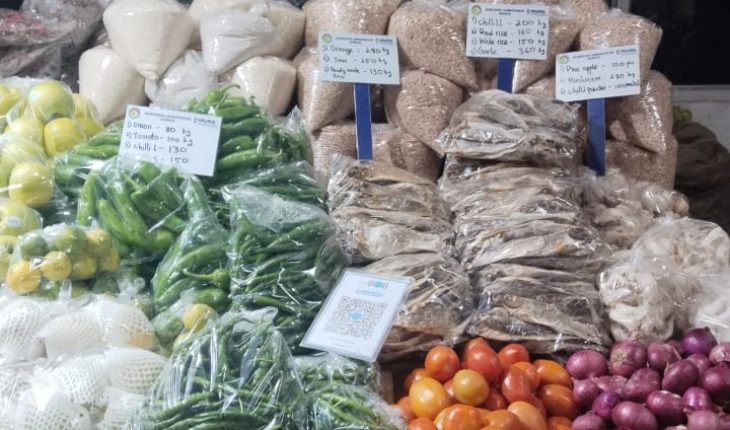
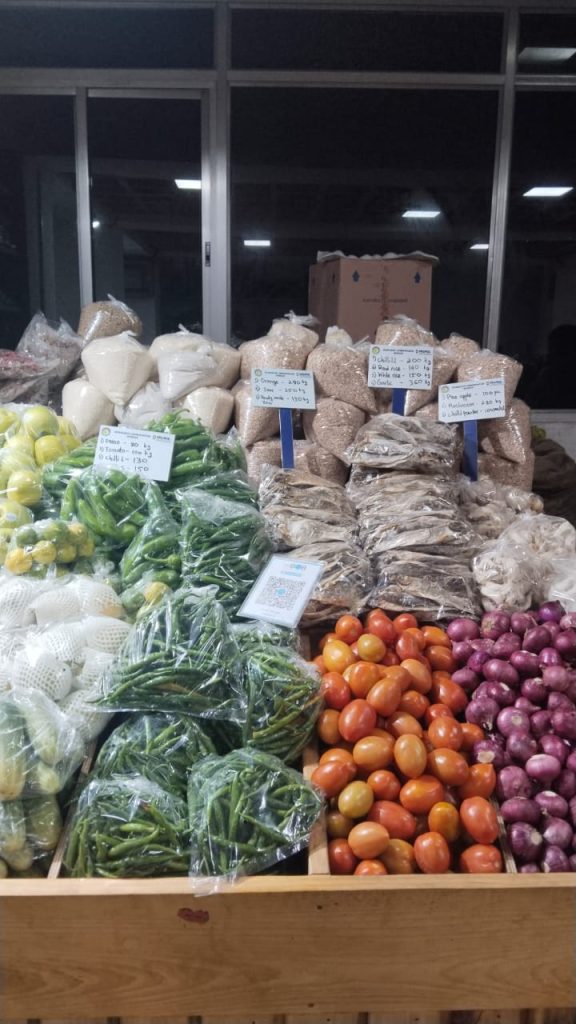
Following the completion of training and mentoring components, HAoB carried out the final project activity in February this year through the distribution of standardized price tags to 35 vegetable vendors who had participated in the programme.
According to HAoB officials, the introduction of uniform price tags aims to promote price transparency in local markets, improve consumer confidence, and enhance the professional presentation of locally grown agricultural products.
The initiative is expected to contribute to better market organization while encouraging vendors to adopt consistent and accountable pricing practices.
HAoB representative Khandhu Wangmo, and also one of participant expressed appreciation to CFLI and all stakeholders involved for their continued support throughout the project implementation period.
She stated that the initiative not only enhanced the knowledge and skills of local vendors through structured training and mentoring but also provided practical tools that directly support daily market operations.
The Secretary General of HAoB Tashi Gyeltshen shared that the Association is now exploring plans to establish a dedicated Packaging and Labelling Centre in the future, subject to securing additional funding and collaboration from relevant partners.
The proposed centre is expected to strengthen value addition in horticultural products, standardize eco-friendly packaging systems, and improve the overall competitiveness of farmers in domestic markets.
In a message shared in support of the initiative, the Embassy of Canada to Bhutan highlighted Canada’s commitment to supporting community-based development efforts.
The Embassy noted that Canada is proud to partner with HAoB through the CFLI programme, reflecting shared priorities of inclusive development, gender equality, and sustainable, locally driven solutions.
The message further commended the initiative for strengthening community engagement and resilience while reaffirming Canada’s continued commitment to working with local partners to build equitable and sustainable communities.
The HAoB office also extended its appreciation to CFLI and the Embassy of Canada for their timely assistance and expressed optimism for continued collaboration in advancing future eco-friendly training initiatives and institutional development programmes.
The Association additionally acknowledged the support of the Mongar local government for its cooperation in promoting sustainable horticulture practices within the district.
Participants who attended the training reported positive changes in their business practices following the programme.
Khandu Wangmo, a vegetable vendor from Jamcholing, Mongar, said the training enhanced her understanding of proper labelling, hygienic handling of vegetables, and environmentally responsible packaging.
She noted that prior to the programme, product presentation and information were not given much importance; however, she now labels her produce clearly with prices and sources while maintaining cleaner stall management and reducing plastic usage.
She added that standardized price tags have helped create transparency in pricing, allowing customers to feel more confident because vendors follow a uniform system.
According to her, eco-friendly packaging practices have also attracted environmentally conscious customers, contributing to increased trust and repeat buyers.
She said the initiative encourages vendors and farmers to adopt sustainable practices that protect the environment while improving product quality, strengthening market image, and creating opportunities for better income and customer loyalty.
She further expressed confidence that such initiatives would promote responsible farming practices and make local markets more competitive and sustainable in the long term.
Another participant, Tshering Choki, who also attended the training, shared that the programme motivated her to continue applying packaging and labelling practices in her business operations.
She said the mentoring sessions provided practical guidance on packaging techniques, product labelling, and customer service skills.
She also acknowledged the support received through the provision of price tags, which helped vendors implement standardized pricing systems in their daily work.
Tshering Choki encouraged fellow farmers and vendors to improve packaging and labelling of their products to attract customers and strengthen business performance.
She emphasized the importance of maintaining quality service standards and interacting politely with customers as key elements for sustaining successful market relationships.
Through training, mentoring, and the distribution of practical tools, the CFLI-supported initiative has contributed to strengthening sustainable market practices among vegetable vendors in Mongar.
Stakeholders noted that the programme demonstrates how targeted capacity-building initiatives can support local entrepreneurs while promoting environmentally responsible business models and improving consumer trust in locally produced agricultural goods.