KINLEY KHANDU CHODEN | Thimphu
In the flicker of butter lamps and the steady rhythm of monk chants, Bhutanese families gather each winter to perform Lochoed — an annual household ritual believed to protect families from misfortune and ensure prosperity for the year ahead.
Despite rapid social change and rural migration, the centuries-old practice continues to uphold spiritual life and cultural identity in villages across the country.
Derived from traditions passed down through forefathers, Lochoed is an annual offering made to household deities and protective spirits.
Across villages such as Sopsokha, Metsina, Tshokona, Gamakha and Chimipang in Punakha, residents describe it as a ritual performed to ensure wellbeing, avert misfortune and invite prosperity for the coming year.
Kinley Norbu Namgay, 20, from Sopsokha, said Lochoed is a ritual conducted annually to seek help from our local deity for wellbeing and good fortune.
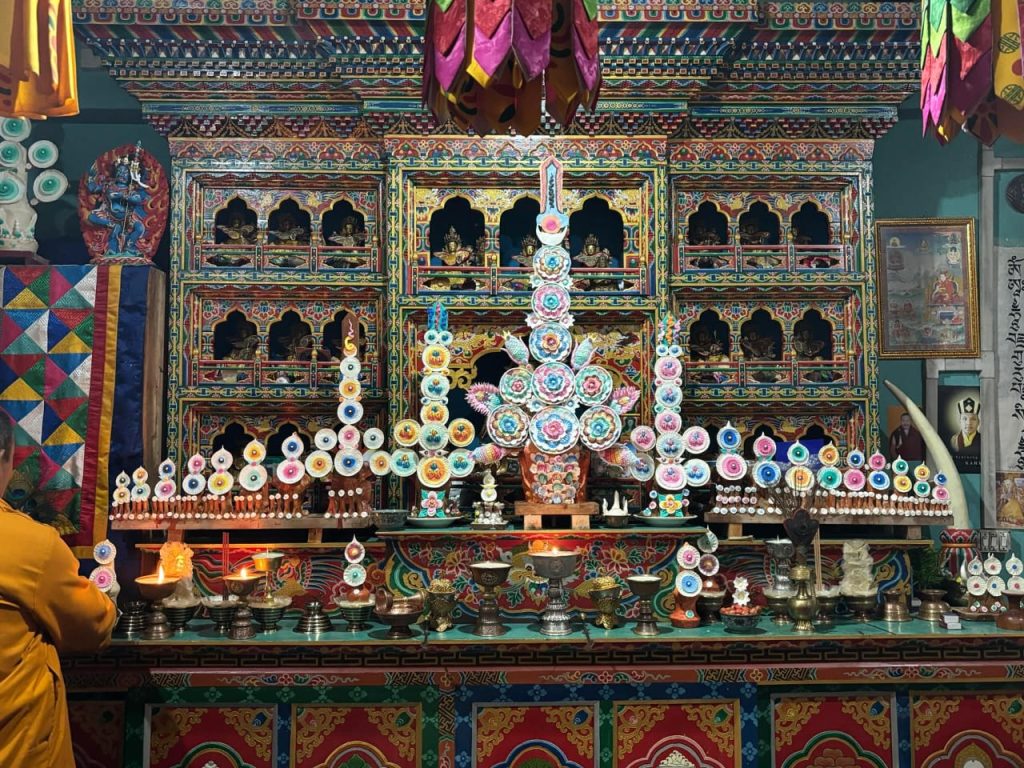
Elders emphasize the ceremony’s protective significance. Nado, 77, from Tshokona, said families prepare multiple tormas — ritual dough sculptures — representing different deities.
“We offer different dough sculptures to make the deities happy so they protect us from the misfortunes of the year,” he said.
Preparations for Lochoed begin months in advance. Families collect grains from the new harvest, brew traditional ara (local alcohol), prepare zaw (popped rice), and set aside funds to host monks and guests. Selecting an auspicious date is considered essential, and villagers consult lamas to ensure the ritual proceeds smoothly.
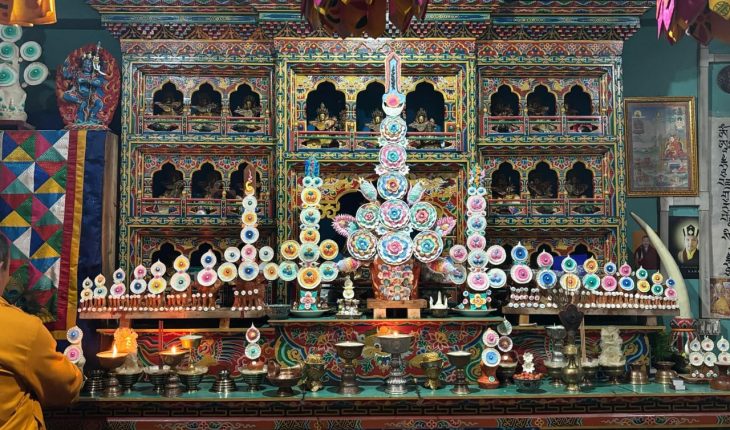
The ceremony typically spans two to three days. The first day is devoted to preparing dough sculptures, carefully shaped from rice or flour and decorated with colored butter.
These symbolic forms represent deities as if they were physically present. Offerings of tsho — ceremonial offerings, plates containing fruits, grains, meat and khabzey — are prepared as spiritual offerings before the altar.
During the ritual days, monks recite sacred scriptures including Choedshay, Dom and Bum. Families often invite at least eight monks to perform the ceremony using ritual instruments such as jaling and rolmo (cymbals), dhung (long horn) and nga (large drum).
Family members dressed in traditional attire take turns making prostrations before the altar.
For many households, the ceremony concludes with selected dough sculptures being taken outside and placed on rooftops or facing the cardinal directions, symbolically sending off the deities with gratitude and positive wishes.
Zam, 20, from Sobsokha trace Lochoed’s origins to the time of Zhabdrung Ngawang Namgyal and Guru Rinpoche, when Buddhist teachings became deeply rooted in Bhutan.
Although precise historical records remain unclear, villagers widely agree that the practice has existed for generations.
While the core belief in Lochoed remains strong, villagers say its practices have evolved over time. One of the most significant changes concerns animal slaughters.
In the past, families raised pig months ahead of Lochoed and slaughtered them for ritual offerings and communal feasts. Today, influenced by religious guidance and changing values, this practice has largely ceased.
Under directives from the Central Monastic Body led by the His Holiness the Je Khenpo, serving meat during certain religious occasions has been discouraged.
Many households now substitute butter, cheese and vegetarian dishes. While some villagers appreciate the ethical shift, others note reduced enthusiasm among guests accustomed to meat-based feasts.
Financial demands associated with Lochoed have also increased. Where monks once accepted modest offerings, families now report paying substantial sums for ritual services and cooks.
In some cases, total expenses exceed Nu. 100,000, placing pressure on lower-income households. As a result, shorter one-day versions of Lochoed are becoming more common among families with limited means.
Urban migration has further affected participation. With many youths working in towns, and cities attendance has declined in some communities.
Nonetheless, Lochoed often serves as a reunion event, with family members returning home or contributing financially to support the ceremony.
Elders have expressed concern about whether younger generations will continue the tradition. Jaku, 50, from Tshokona said, “While many youths understand Lochoed as an annual ritual offering to deities, some lack detailed knowledge of its procedures and symbolism.”
“It is crucial for youths to be aware of what to buy, how to serve and the procedures of the ritual,” said Nado. “How will they manage if their parents disappear unexpectedly?”
At the same time, Sonam Kinga Tenzin, 19, from Tshokona said, “Lochoed as an important means of preserving cultural identity. Wearing traditional attire, speaking respectfully and learning ritual practices reinforce a sense of belonging and continuity.”
Modern influences are increasingly visible. Western clothing is sometimes seen during ceremonies, and rigsar music occasionally replaces traditional dances.
Despite these changes, Pema Dorji, 47, from Mitsena say Lochoed continues to connect younger generations to their ancestral roots.
He added, ultimately, Lochoed is more than a ritual centered on offerings of rice, butter or ara. It is a collective expression of gratitude for surviving the past year, a prayer for continued protection and a reaffirmation of belonging.
“Neglecting Lochoed risks spiritual imbalance and misfortune. Whether understood literally or symbolically, this belief continues to sustain the ritual’s relevance,” he said.
As Bhutan undergoes rapid socio-economic transformation, Lochoed remains a reminder that development and tradition coexist in delicate balance.
Though forms may change — pigs replaced by market purchases, dances shortened and rituals condensed — the essence endures: families gathering under one roof, invoking blessings and renewing bonds across generations.
Khandu, 70, from Gamakha said, “Different regions and ethnic communities celebrate Lochoed in their own distinct ways, reflecting rich cultural traditions.”
Although Lochoed is observed as a time for religious offerings and prayers for peace, prosperity, and good harvests, the rituals, ceremonies, and customs often vary from one region to another.
“Each community follows practices passed down through generations, with differences in the types of offerings made, the prayers recited, and the way families and villagers gather to mark the occasion,” Khandu added.
In the glow of butter lamps and the rhythmic chants of monks, Lochoed continues to sustain the spiritual and cultural life of Bhutanese villages, a ritual filtering out the year’s misfortunes and ushering in hope for the next.