MoESD to train 200 teachers from 50 inclusive schools in January 2026, expand programme to general teachers, and provide assistive resources and postgraduate opportunities to strengthen inclusive learning nationwide
TIL BDR GHALLEY | Thimphu
The Ministry of Education and Skills Development (MoESD) is preparing to roll out an intensive training programme on inclusive education in January 2026 for teachers from 50 inclusive schools across the country.
The initiative is aimed at strengthening the capacity of educators to address the diverse needs of learners with special needs and to mainstream inclusive practices in classrooms nationwide. The programme will initially focus on teachers from 50 inclusive schools.
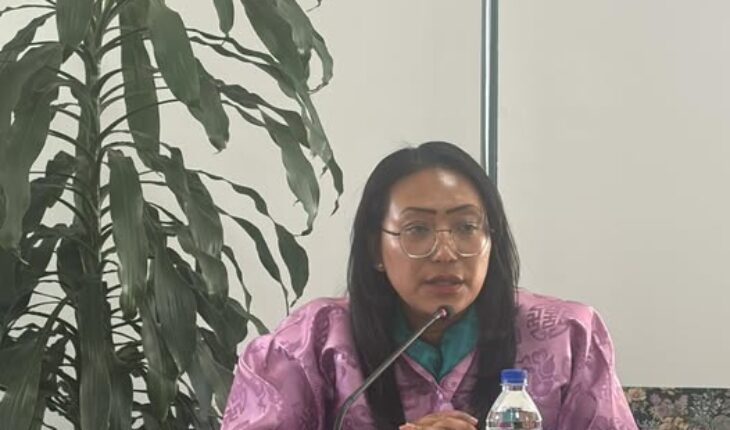
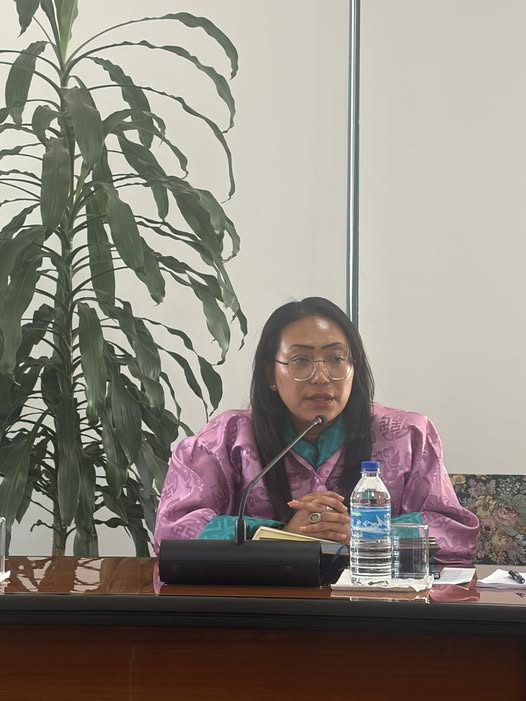
MoESD Minister Yeezang Dee Thapa during the meet the press session on 28 November said the training will cover a broad spectrum of key areas critical to inclusive education.
“About 200 teachers will receive three weeks training covering key areas such as inclusive education concepts, development of adaptation and accommodation strategies, intervention strategies, screening and educational assessment rules, development of individualized education plans and the referral processes,” the Minister said.
The training aims to equip teachers with practical and conceptual skills required to implement inclusive learning effectively. Teachers will be trained to develop specialised teaching and learning materials that cater to the specific needs of children with varying abilities.
“This training will equip the teachers with the skills to design and develop adapted and specialized teaching learning materials based on the diverse needs of the learners with special needs,” she added.
The minister said that, following the initial training for 50 schools, the inclusive education programme will be expanded to general teachers across all schools to ensure wider adoption of inclusive classroom practices.
“The training will also be rolled out to the general teachers across all the schools in the respective schools,” the Minister added.
To complement teacher training, the MoESD is also enhancing classroom accessibility through the provision of assistive devices, pre-vocational equipment, and learning materials. These resources are being supplied under the Asian Development Bank – Japan Fund for Prosperous and Resilient Asia and Pacific (ADB-JFPR) project, a joint initiative to support inclusive education.
“Further, to support the inclusive education, the Ministry is also providing assistive devices and pre-vocational equipment and materials which are being provided through ADB and Japan Fund for Prosperous and Resilient Asia and Pacific Project, ADB-JFPR project,” she said.
Additionally, inclusive schools have received adapted furniture, including chairs and tables, which are designed to facilitate differentiated learning for children. The Minister highlighted that these items were prototyped to suit the specific needs of students in inclusive classrooms.
The Ministry is simultaneously strengthening its human resource capacity in inclusive education through postgraduate programmes. Recruitment and placement of teachers specialising in inclusive education are underway, reflecting MoESD’s commitment to long-term institutional capacity building.
“We have 15 teachers who have been selected to pursue Masters in Inclusive Education at Paro College of Education,” minister said, emphasizing the importance of advanced training to build a cadre of specialists within the country.
In addition, the Ministry is supporting two students and two teachers to pursue Master’s studies in Australia under the Australian Award Scholarship 2026, which will further expose Bhutanese educators to international inclusive education practices.
Her remarks underscore a comprehensive approach by MoESD to integrate inclusive education at multiple levels: initial teacher training, nationwide rollout to general teachers, provision of learning aids, and advanced postgraduate studies.
The Ministry’s plans highlight a systematic effort to ensure that inclusive education becomes an integral part of Bhutan’s school system, addressing the diverse learning needs of children from early stages to higher educational levels.
The combination of intensive training, assistive support, and specialist education demonstrates the Ministry’s commitment to creating an inclusive learning environment that caters to all students, regardless of ability.
By investing in teacher development and specialized resources, Bhutan is positioning itself to enhance equitable access to quality education nationwide.
The January 2026 training initiative is poised to be a landmark step in mainstreaming inclusive education, equipping educators with both the skills and the tools necessary to implement differentiated learning strategies across classrooms.
MoESD’s ongoing efforts aim to ensure that inclusive education principles are not only taught but embedded in everyday teaching practices throughout the country.