RENUKA RAI | Thimphu
Across Bhutan, schools are grappling with critical gaps in water, sanitation, and hygiene (WASH) facilities, according to a report presented by the Public Accounts Committee (PAC) to the joint sitting the Parliament on 25 December.
The findings highlight challenges that affect students’ health, safety, and overall learning environment, even as the Royal Government continues to advance national development priorities and implement past parliamentary resolutions.
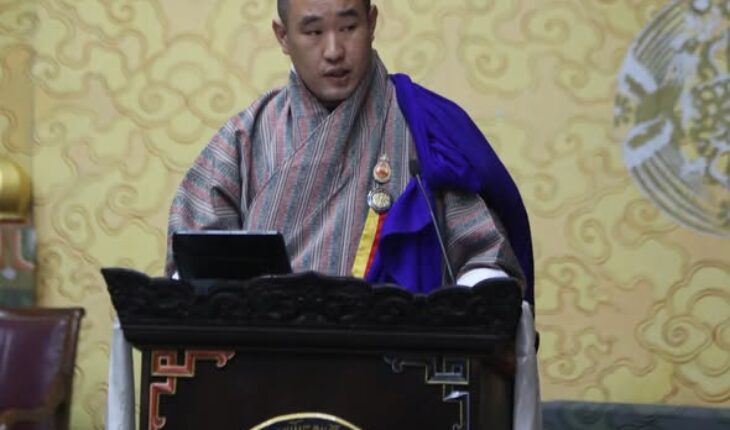
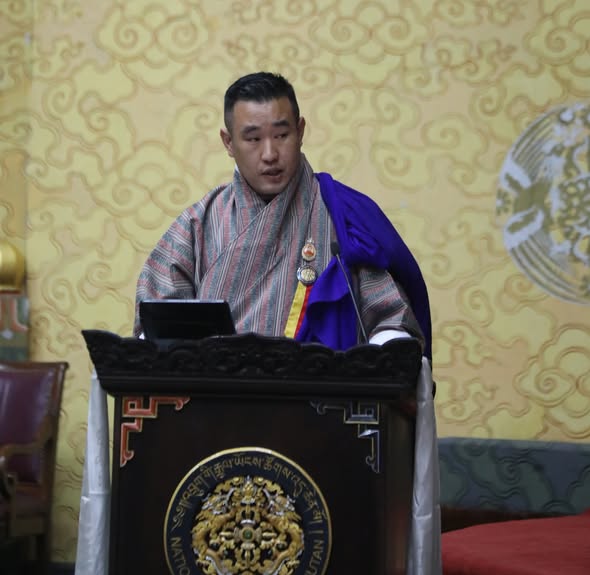
The Chairperson of PAC and the MP from Lamgong-Wangchang constituency, Sonam Tashi presented the Committee’s Review Report on the Performance Audit of Water, Sanitation and Hygiene (WASH) Facilities and Services in government school under Thimphu Thromde.
The RAA audit revealed several shortcomings. Toilets were often insufficient in number and poorly maintained, some dating back decades without upgrades.
Further, accessibility was limited for younger children and students with disabilities, while cleaners were often under-staffed relative to the student population.
In addition, water supply was unreliable, and quality testing inconsistent. These gaps, if unaddressed, could affect student health and compromise hygiene standards.
The audit recommended that the Ministry of Education and Skills Development (MoESD) develop a comprehensive plan to upgrade and maintain WASH facilities, ensure inclusive designs, maintain adequate staffing, and implement routine water quality monitoring.
Recognizing the nationwide implications, the PAC extended the audit’s findings by conducting a survey across all 566 government schools in the country.
Using Google Forms, the Committee gathered data on the availability, usability, and maintenance of WASH facilities.
Field visits to ten randomly selected schools allowed the PAC to verify conditions on the ground, while consultations with stakeholders—including the RAA, the Bhutan Toilet Organization, the Bhutan Construction and Transport Authority, the Ministry of Education, and Thimphu Thromde—provided insights into broader policy and implementation challenges.
The survey and field inspections confirmed systemic gaps. Of 297 schools that responded, 86.5% reported inadequate budgets for WASH, limiting access to essential supplies such as soap. Only 13.5% of schools had undertaken fundraising initiatives to support WASH programs.
Many facilities were in disrepair: broken flush systems, blocked drains, missing doors, and outdated infrastructure were common, particularly in schools like Ura and Chumey Central Schools. Toilets often failed to meet the National Standards for WASH in Schools (2024), compromising hygiene and privacy for students.
Water supply emerged as another pressing issue. Seasonal variability, frozen pipelines in winter, and dry sources in summer made reliable access difficult.
Tap water, though sourced from pristine springs, was not always safe for direct consumption, and testing protocols varied widely—43.3% of schools conducted water testing twice a year, while 15.3% did not test at all.
Heating and water treatment facilities were inadequate, leaving students without warm water during the cold months. Handwashing stations were often installed too high for younger students, while girls’ toilets frequently lacked proper disposal options for sanitary pads.
Furthermore, accessibility for students with disabilities remained a significant challenge, with 261 schools reporting inadequate inclusive designs.
Maintenance and operational issues compounded these challenges. Many schools lacked the funds and skilled personnel necessary to manage and repair WASH infrastructure.
Septic tank desludging services were insufficient, particularly in remote areas such as Gasa, where schools had to hire services from Punakha, adding financial and logistical burdens.
Coordination between schools and local governments was inconsistent, resulting in unequal support and oversight. Some schools benefited from proactive engagement by local authorities, while others navigated these challenges largely on their own.
In response to these findings, the PAC recommended the creation of a national WASH flagship program. This initiative would prioritize assessment and upgrading of school facilities nationwide, ensuring that infrastructure is safe, durable, and inclusive.
Standardized designs, robust quality assurance, and continuous monitoring were emphasized to ensure compliance with national standards.
Reliable water supply and treatment, functional heating systems, and year-round accessibility were identified as core components, alongside awareness campaigns for students, teachers, and staff.
Strengthened coordination between schools, Thromdes, Dzongkhags, and relevant agencies would help maintain and support facilities sustainably.
The Joint Sitting adopted the ten recommendations of the Royal Audit Authority, which include strengthening planning and budgetary provisions, upgrading facilities to meet national standards and inclusiveness, improving water supply and quality, enhancing operation and maintenance, expanding WASH awareness programmes, and establishing a robust monitoring and evaluation framework.
The Joint sitting issued additional directives to ensure effective implementation of the recommendations. MoESD was instructed to consult the Royal Civil Service Commission on the requirement of cleaners based on student population and submit a review report during the Winter Session.
On budgetary provisions for WASH facilities, the Ministry, in consultation with the Ministry of Finance, was directed to explore appropriate measures, including outsourcing, and report to the House during the Winter Session.
The Ministry of Infrastructure and Transport was tasked to lead a review of water quality testing and remediation works carried out by Thimphu Thromde and present its findings during the Winter Session.
Further, the Ministry of Education and Skills Development was directed to lead and coordinate WASH training and awareness programmes for Local Governments, Thromdes, Dzongkhags, and Gewogs, and submit a review report during the Winter Session.
The House also emphasised the need for a robust evaluation mechanism and instructed the Government to review the matter and report back during the Winter Session.
During the deliberation the National Assembly endorsed the recommendation presented by the Committee and directed the MoESD, Ministry of Energy and Natural Resources (MoENR), Ministry of Health (MoH), and Ministry of Infrastructure and Transport (MoIT) to jointly form a committee to assess and review the status of school WASH facilities, with particular focus on compliance with national standards and inclusiveness and submit report to the National Assembly during the Winter Session.