NGAWANG JAMPHEL | Thimphu
The Ministry of Health (MoH) has issued a public health advisory following the confirmation of a Nipah virus (NiV) outbreak in West Bengal, India, urging Bhutanese citizens to remain vigilant.
The advisory, released on 16 January by the Department of Public Health, comes as a precautionary measure due to Bhutan’s close travel and trade links with India. Health officials clarified that no Nipah cases have been reported in Bhutan so far.
According to the advisory, five active Nipah virus cases have been confirmed in West Bengal, mainly among healthcare workers and close contacts. Initial investigations indicate that the infections are linked to exposure to contaminated fruit or raw date palm sap, which are known sources of Nipah virus transmission.
The Ministry also noted that the World Health Organization (WHO) has not classified the outbreak as a Public Health Emergency of International Concern (PHEIC). Based on the initial assessment, the overall risk is considered moderate, with a low to moderate level of confidence.
Nipah virus is a zoonotic disease, meaning it can spread from animals to humans. Fruit bats are the natural reservoirs of the virus, while pigs can act as potential hosts.
The virus can also spread from person to person through close contact and bodily fluids, especially in household and healthcare settings. Due to its ability to cause outbreaks and its high fatality rate, Nipah virus is considered one of the more serious infectious diseases in the region.
The disease can cause a range of symptoms. In the early stages, infected individuals may experience fever, headache, muscle pain, vomiting, and sore throat.
In severe cases, the infection can lead to dizziness, confusion, seizures, encephalitis, respiratory distress, and even coma.
The incubation period of the virus usually ranges from 4 to 14 days, but in some cases it may be longer.
At present, there is no specific antiviral treatment or vaccine for Nipah virus infection. Medical care is mainly supportive and focuses on managing symptoms and complications, including hydration, respiratory support, and intensive care when required. This makes prevention and early detection crucial in controlling the disease.
The MoH has advised the public to take preventive measures, including avoiding contact with fruit bats and sick animals, and not consuming raw date palm sap or fruits that may have been contaminated by animals.
People are also encouraged to wash fruits and vegetables thoroughly before eating, practice regular handwashing with soap and water, and avoid close contact with individuals showing symptoms such as fever, cough, breathing difficulties, or unusual behaviour.
Citizens have been urged to seek immediate medical attention if they develop symptoms such as fever, headache, sore throat, cough, breathing difficulties, confusion, or seizures.
Those who have recently travelled to affected areas in India are advised to monitor their health for 14 days and inform healthcare workers about their travel history.
The Ministry also recommends avoiding non-essential travel to affected areas until the situation improves.
Health authorities reassured the public that Bhutan’s disease surveillance and response systems remain alert, and that the situation is being closely monitored in coordination with regional and international health agencies.
The Ministry emphasized that there is no need for panic, but stressed the importance of public cooperation, awareness, and timely reporting of symptoms to ensure the safety and well-being of the country.
The MoH has confirmed that, as of 31 January 2026, no new Nipah virus cases have been reported beyond the previously confirmed cases in West Bengal, India.
The World Health Organization (WHO) continues to assess the risk of wider international spread as low, and there are currently no confirmed cases in Bhutan.
Nevertheless, the Ministry of Health is taking proactive and precautionary measures to safeguard public health.
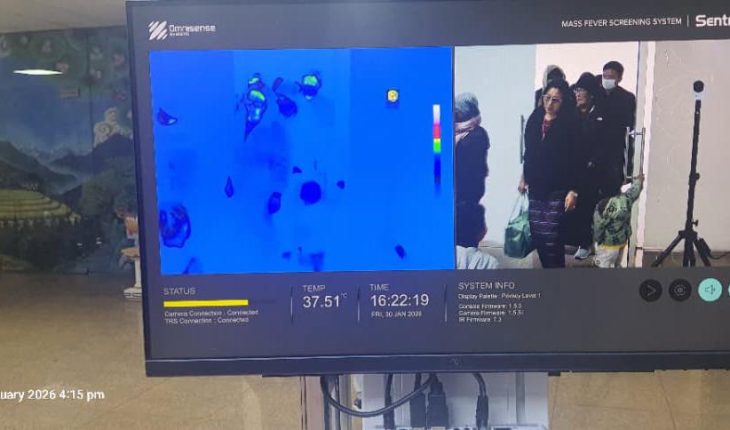
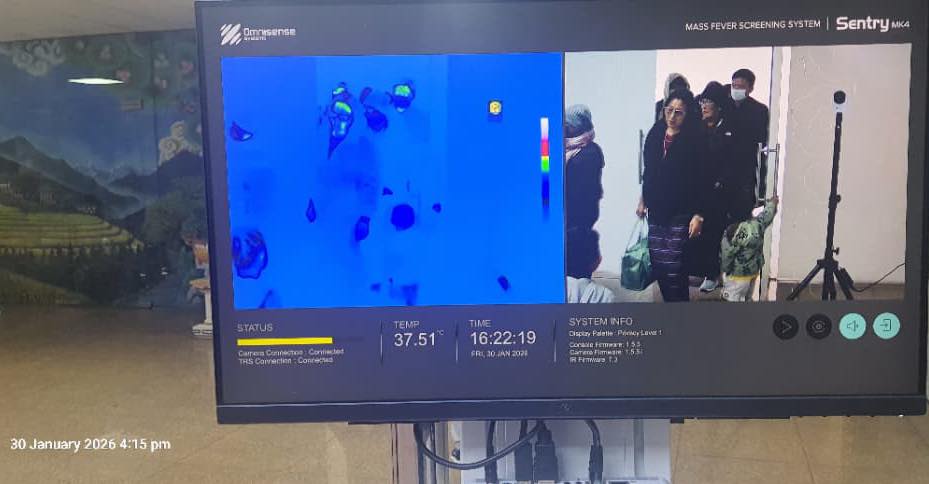
Screening of high-risk travelers is ongoing at points of entry, health facilities have strengthened preparedness and isolation capacity, and health workers are being sensitized on case detection and management.
Surveillance and risk assessments are also being continuously carried out to ensure early detection and rapid response if needed.
MoH said the public is encouraged to remain vigilant, follow recommended hygiene practices, and stay informed through Ministry’s official social media handles.
“The MoH remains committed to protecting the health and safety of all residents through timely preparedness and response actions.”