RENUKA RAI | Thimphu
Bhutan’s highland and border communities, regarded as vital to national security and cultural continuity, continue to face entrenched socio-economic challenges despite targeted government interventions, according to an action taken report presented on 11 December at the ongoing National Assembly session.
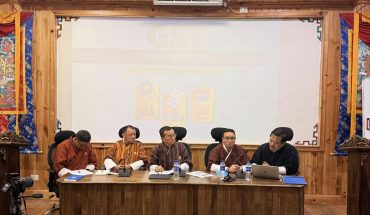
Presenting the report, the Chairperson of the Good Governance Committee (GGC), Namgay Dorji said that reviews measures implemented following a parliamentary resolution to provide support and amenities to people living in bordering areas. Drawing on field visits and consultations in Chokhor Gewog in Bumthang, Soe and Lingzhi Gewogs in Thimphu, and Jangphutse, Melongkhar and Dukti under Trashiyangtse Dzongkhag, the Committee concludes that while assistance programmes exist, they remain largely short-term and insufficient to ensure the long-term sustainability of these settlements.
The Chairperson noted that border and highland settlements play a crucial role in safeguarding Bhutan’s territorial integrity. Located in remote and often harsh terrain along the northern and eastern borders, these communities serve as Bhutan’s frontline presence in geopolitically sensitive regions. Their continued habitation has historically functioned as a non-military means of asserting sovereignty while preserving distinct cultural traditions, dialects and livelihoods.
However, isolation, limited infrastructure and difficult climatic conditions have placed these communities under growing pressure. The report highlighted that rural poverty remains significantly higher than the national average, as reflected in the Bhutan Small Area Estimation Poverty Report. Rural poverty stands at 17.5 percent compared to the national rate of 12.4 percent, with some of the highest poverty concentrations recorded in mountainous districts.
Persistent poverty and limited access to services have accelerated rural–urban migration, particularly among youth. The committee warned that depopulation of border settlements not only undermines local livelihoods but also weakens Bhutan’s physical and cultural presence in strategically important areas.
Livestock rearing, especially yak herding, remains the backbone of highland livelihoods. To support these communities, the Department of Livestock has introduced several interventions, including yak breed improvement, organic feed supply, predator-proof calf pens, water supply facilities at grazing sites, and support for wool harvesting and processing. Assistance has also been extended for product development, value addition and marketing.
In the agriculture sector, households have received greenhouses to promote year-round vegetable cultivation, along with solar and chain-link fencing to protect crops from wildlife damage. Additional initiatives such as the Royal Annual Highland Festival, organised across ten dzongkhags, have provided platforms for knowledge exchange and showcasing traditional practices.
Despite these measures, the committee’s consultations revealed that livelihoods remain fragile. In Chokhor Gewog, herder households reported increasing pressure from changing climatic conditions, shrinking pasturelands and limited access to modern facilities. In Soe Gewog, residents raised concerns over declining income from pony services after official rates were reduced, making the service nearly unprofitable due to rising feed costs.
Market access for dairy products such as butter, cheese and chugo has also declined. Once commonly bartered for essential goods in Paro, these products now struggle to find buyers, leaving households with unsold produce and reduced income. Land scarcity further compounds the problem, as small landholdings limit inheritance options for younger generations, forcing them to migrate to urban areas.
In Lingzhi Gewog, residents highlighted limited market connectivity and high livestock mortality, worsened by insufficient mobile veterinary services. These challenges, the Committee observed, weaken household resilience and threaten the continuity of traditional pastoral livelihoods.
Transport and connectivity challenges emerged as a major concern across all visited areas. In Chokhor, residents pointed to the lack of proper mule tracks, particularly along routes to Dhur Tsachu, making travel arduous and unsafe. Communities also sought permission to construct temporary shelters near the hot springs to improve safety and create modest economic opportunities.
In border villages such as Jangphutse, Melongkhar and Dukti, the situation is more severe. The loss of horses often the only mode of transport in areas without motorable roads has severely restricted mobility, limiting access to markets, health services and essential supplies. Long-standing demands for a cable car system, first proposed in 2008, remain unmet despite repeated appeals.
Healthcare access was identified as another critical gap. In Chokhor, annual outreach services were discontinued in 2024, forcing residents, including pregnant women, to travel for days to access basic health services. In Soe Gewog, the presence of only one male health worker limits the provision of maternal and reproductive healthcare, prompting calls for additional staff, including female health workers.
Human wildlife conflict continues to threaten livelihoods, particularly from predators such as snow leopards and Chinese wolves. In the absence of compensation mechanisms, households bear the full cost of livestock losses, further straining already fragile incomes.
Labour shortages were also highlighted, especially in Trashiyangtse’s border villages, where most remaining residents are elderly. Communities reported difficulties in implementing development activities and requested fully government-funded infrastructure projects due to the lack of local labour.
Education services face similar challenges. Several remote primary schools operate with very low enrolment, some with fewer than ten students. Teacher shortages and difficult living conditions discourage postings, leading families to send children elsewhere and further weakening settlement viability.
In its recommendations, the GGC called for a shift from short-term relief to integrated, long-term interventions. These include stronger livelihood incentives, improved transport connectivity through terrain-appropriate solutions, enhanced healthcare deployment, and targeted education support in geopolitically sensitive areas.
The Committee also heightened that sustaining Bhutan’s highland and border communities is essential not only for equitable development but also for national security and cultural continuity. Without coordinated, well-funded and long-term measures, the report warned, depopulation of these vital regions is likely to continue, undermining both community wellbeing and Bhutan’s strategic presence along its borders.
After thorough deliberation, the House, noting the importance of these issues, directed the Ministry of Home Affairs to form a committee—led by the Ministry with Local Government heads, Dzongdas, and relevant officials—to review the concerns of border-area residents, identify gaps not covered in the report, and present their findings, including any required interventions policy recommendations, during the next winter session