NGAWANG JAMPHEL | Thimphu
Bhutan’s tourism sector has recorded 79 tour cancellations and more than 40 postponed bookings due to the ongoing conflict in the Middle East and rising international airfare costs, according to the Minister of Industry, Commerce and Employment (MoICE) during the 26th Meet the Press Session.
Despite the disruptions, the government says the situation remains manageable and is encouraging visitors not to cancel their trips entirely, highlighting Bhutan’s flexible visa framework that allows rescheduling within a reasonable timeframe.
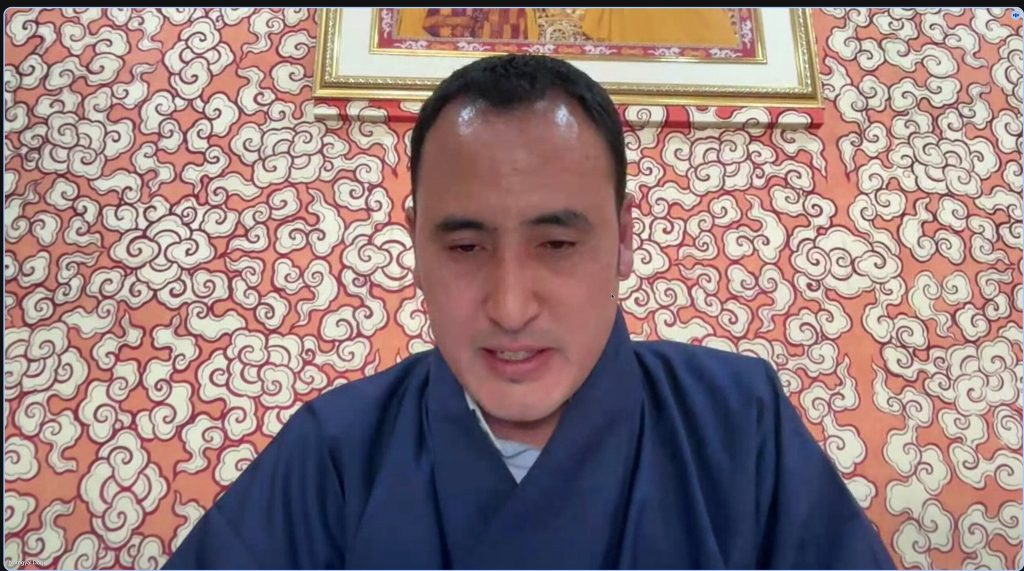
“At this stage, we have recorded approximately 79 tour cancellations from various countries, with over 40 additional bookings postponed due to the ongoing situation in the Middle East and the resulting increase in airfare,” said Lyonpo Namgay Dorji.
According to the minister, Bhutan’s visa system allows tourists to postpone trips within the 90-day visa validity period and, in many cases, reschedule visits for up to one year. This flexibility, officials say, is expected to help maintain tourist confidence until the global travel situation stabilizes.
The minister added that the developments underscore the importance of building a more resilient tourism sector that can withstand global uncertainties while maintaining Bhutan’s reputation as a safe and high-value destination.
Additionally, strengthening communication with international partners and diversifying tourism markets were highlighted as key priorities moving forward.
“First, the need for continued market diversification so that we are not overly dependent on any single region. Second, the importance of timely and proactive communication with tourism partners and visitors during periods of global uncertainty. And third, the need to build a more resilient and adaptable tourism sector,” the minister said.
At the same time, the government is also placing renewed emphasis on strengthening domestic tourism as a buffer during periods of external disruption.
Officials said there is strong potential to promote in-country travel through pilgrimage circuits, cultural tourism routes, meetings and conferences (MICE tourism), and adventure- and sports-based tourism activities.
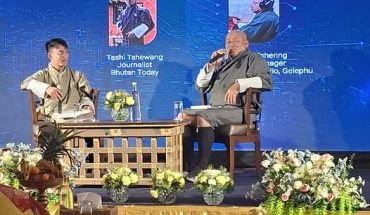
Prime Minister Tshering Tobgay, speaking at the same session, said that while the Middle East conflict has affected travel globally, it also presents opportunities for Bhutan to attract new visitors from alternative markets.
“This crisis also presents opportunities for Bhutan,” the Prime Minister said. “Many high-end tourists in India are cancelling tours to the Gulf and Europe. We need to market tourism packages in Bhutan.”
The Prime Minister added that coordinated efforts between tour operators, hotels, and government agencies are essential to respond quickly to shifting travel trends. He said the government would take the lead in strengthening promotional efforts and identifying markets where Bhutan can increase its outreach.
“Tour operators should know which countries we can accelerate marketing in,” he said.
Alongside marketing efforts, the government is also preparing financial support measures for the hospitality sector.
The Cabinet has approved a four-percent interest subsidy for Department of Tourism-certified four-star and below hotels for a period of one year.
The MoICE Minister said implementation has taken time to ensure the programme is inclusive, well-designed, and sustainable.
“The framework is now in its final stages, after which the subsidy will be rolled out,” the minister said, adding that complementary support measures are also being explored for hotels that may not fully meet the eligibility criteria.
Tour operators say the impact of cancellations is already being felt, particularly in markets affected by increased airfare and travel uncertainty.
Proprietor of Tshe Dorji Tours and Travels, Tshe Dorji Tamang, said that although cancellations are concerning, many travellers are choosing to postpone rather than cancel their visits entirely.
“We are seeing some cancellations mainly because airfare has increased significantly, but many guests are choosing to postpone instead of cancelling completely. If Bhutan strengthens promotion in alternative markets right now, we can recover some of the losses,” he said.
Tour guides working directly with visitors also say the situation has affected expectations for the upcoming tourism season.
Tour guide Karma Wangchuk said that while cancellations create uncertainty for those working in the sector, Bhutan continues to remain attractive to travellers seeking safe and meaningful experiences.
“Some groups have postponed their travel plans, and this affects guides and service providers directly. But many visitors still show strong interest in visiting Bhutan because they see the country as peaceful and unique. If the situation improves soon and promotion continues, bookings can recover,” he said.
He added that coordination between tour operators, guides, and hotels will be important in maintaining visitor confidence and ensuring quality services during the recovery period.
While the recent cancellations reflect the immediate impact of geopolitical tensions and rising travel costs, the government remains optimistic that Bhutan’s strong positioning as a high-value destination will help sustain the sector’s growth trajectory in the months ahead.