TIL BDR GHALLEY | Chhukha
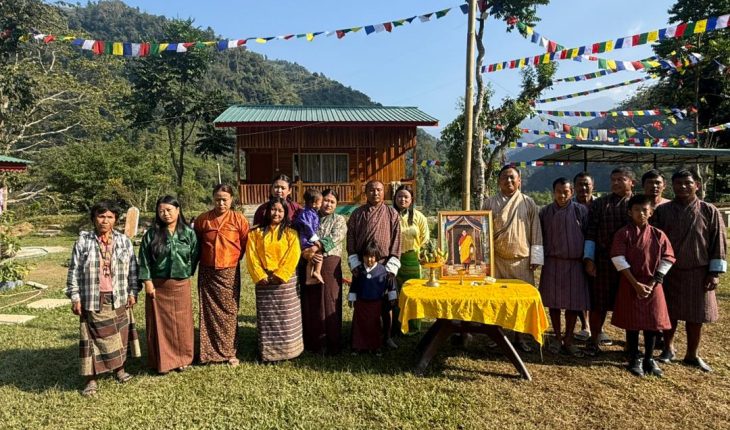
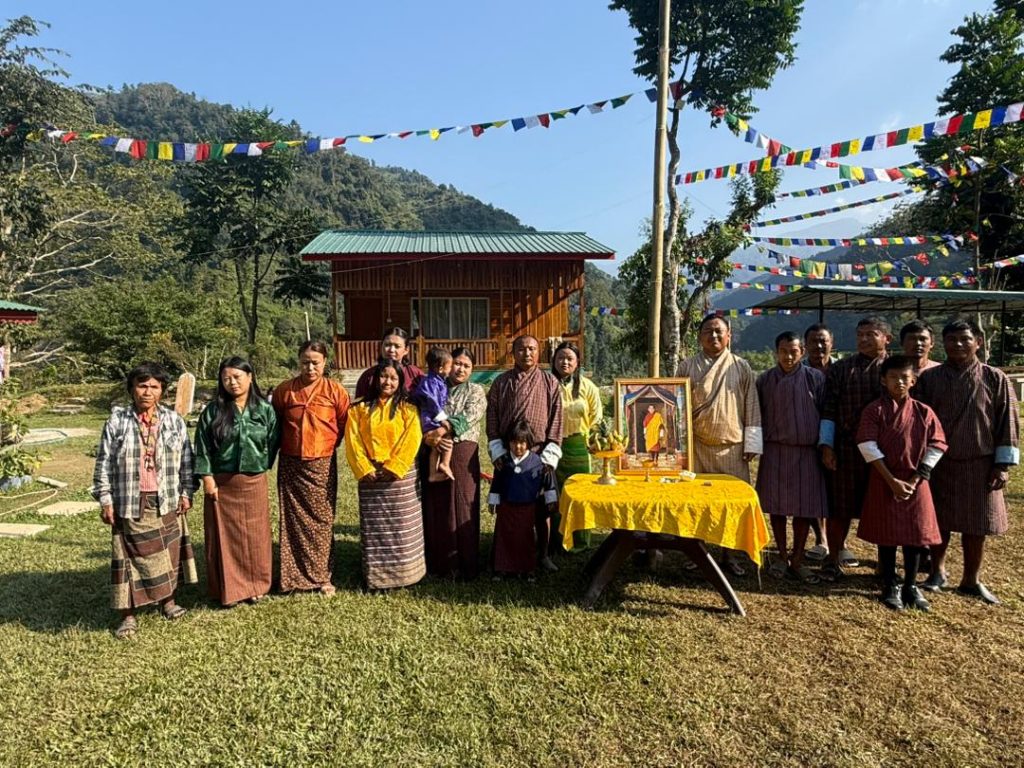
Located on the outskirts of bustling Phuentsholing town, about seven kilometers away, the tranquil village of Pachu chiwog is transforming its natural surroundings and traditional lifestyle into a source of livelihood through community-based tourism.
Established in October 2024, Pachu Community Tourism is creating new economic opportunities for local residents while promoting environmentally responsible travel.
Managed collectively by community members, the initiative is gradually attracting domestic visitors seeking nature-based and cultural experiences.
The chairman of Pachu Community Tourism, Nado, said “the initiative was established to improve rural livelihoods while preserving the community’s environment and traditions.”
The project aims to generate income through eco-tourism while strengthening community participation and promoting local culture.
According to Nado, the initiative was inspired by the desire to showcase Pachu’s natural beauty and traditional lifestyle while creating sustainable livelihood opportunities for residents.
Although a small team manages daily operations, the initiative involves a large portion of the community.
Seven permanent members and seven cultural performers benefit directly, while more than 300 households in Pachu chiwog are indirectly involved through accommodation services, food supply, cultural performances, guiding services and the provision of farm produce.
Income generated from tourism activities is distributed through wages and service payments, while a portion is allocated to operational costs and community development activities.
Nado added, “Revenue is shared in a way that benefits participating households and community activities while supporting operational needs.”
The initiative has created employment opportunities, particularly for youth and women, in areas such as hospitality services, cooking, housekeeping, guiding, and cultural programs.
“Community tourism has increased household income, promoted local products, encouraged organic farming, and reduced rural unemployment,” Nado said. “It has also strengthened community cooperation and skills development.”
Environmental conservation remains central to the initiative. Community members have introduced eco-friendly practices such as waste segregation, reduced plastic use, organic vegetable farming, and the use of locally sourced materials.
Visitors are encouraged to follow responsible tourism practices during their stay. “We educate guests about environmental responsibility, limit large-scale activities, promote clean-up practices, and ensure tourism activities are community-managed and environmentally friendly,” Nado said.
The initiative supports conservation efforts through proper waste management and protection of community forests, helping maintain ecological balance while accommodating visitors.
Most visitors to Pachu Community Tourism are domestic tourists, including families and corporate groups, although the destination has begun to attract occasional international guests interested in community-based tourism experiences.
Cultural performances featuring traditional songs and musical instruments performed by members of the Sado Mahdo community are among the key attractions.
Visitor feedback has been encouraging. Nado noted, “Guests appreciate the peaceful environment, local hospitality, and cultural experiences. Many visitors recommend our community tourism to others.”
Visitor numbers typically increase during favourable weather conditions and holiday periods, while the facility remains closed during off-peak seasons.
“Despite the positive response, the initiative faces several challenges. Seasonal fluctuations in visitor numbers, limited marketing reach, and the need for improved infrastructure remain key constraints in maintaining consistent revenue throughout the year,” the chairman said.
Community members plan to expand the initiative by improving facilities, increasing accommodation capacity and developing additional eco-friendly infrastructure. Plans are also underway to introduce more cultural and adventure-based activities to enhance visitor experiences.
“We plan to improve facilities, expand accommodation capacity, develop more eco-friendly infrastructure, and introduce additional cultural and adventure activities,” Nado said.
The initiative is managed through a community-based committee structure that ensures collective decision-making and fair sharing of benefits.
The management approach prioritises sustainable tourism, community welfare and the preservation of traditional practices while maintaining service standards for visitors.
Pem Lham, manager of Pachu Community Tourism, said the initiative has grown beyond its initial goal of showcasing local culture and traditions.
“The vision has expanded to include sustainable income generation and eco-tourism while improving rural livelihoods,” she said.
According to Pem Lham, visitors are drawn by the area’s natural beauty, peaceful environment and cultural experiences.
“We attract tourists by promoting our natural beauty, peaceful environment, traditional food, cultural experiences, camping activities, and warm community hospitality,” she said. “We also use social media and word-of-mouth marketing to reach more visitors.”
The initiative offers accommodation in eco-lodges and tents along with traditional meals, camping facilities, a bonfire area and sanitation services. Visitors can also enjoy activities such as hot stone baths, fishing, zipline rides and nature walks in the surrounding landscape.
“The lodge provides a peaceful natural environment where guests can enjoy both comfort and authentic experiences,” Pem Lham said.
Maintaining cultural authenticity remains an important part of the tourism experience.
She said “We ensure that tourism activities respect local traditions and values. Guests are introduced to authentic culture without changing or commercializing it. Community members actively participate, ensuring that cultural practices are preserved while benefiting economically.”
As community-based tourism continues to gain importance in Bhutan’s rural development efforts, the Pachu initiative demonstrates how local communities can transform natural and cultural resources into sustainable livelihood opportunities while preserving their environment and traditions.
Pachu is a small village located about seven kilometres from Phuentsholing town and falls under Phuentsholing Gewog in Chukha district, providing the rural setting for this thriving community-based tourism initiative.