Farmers Face Falling Prices and Unsold Surplus as Coordination Gaps Between FCB and Local Authorities Expose Vulnerabilities
TIL BDR GHALLEY | Sarpang
The Regional Director said FCB is examining possible reforms to improve market timing and fairness. “Household-based purchase limits are considered feasible,” he said. “However, there is a risk of falling short of procurement targets, as many farmers delay sales or have already taken advances from private buyers.”
FCB is also considering changes to its procurement calendar. “We are exploring the option of conducting cardamom procurement twice a year, preferably in March and November, to improve market timing and responsiveness,” he said.
Looking ahead, he said farmers in Chhudzom can expect clearer communication. “In the next cardamom season, farmers can expect continued market presence by FCB and clearer communication on procurement schedules,” he said. “While price levels cannot be guaranteed due to market conditions, FCB’s participation is expected to provide price support during peak harvest periods and greater certainty of sale through designated buying centres.”
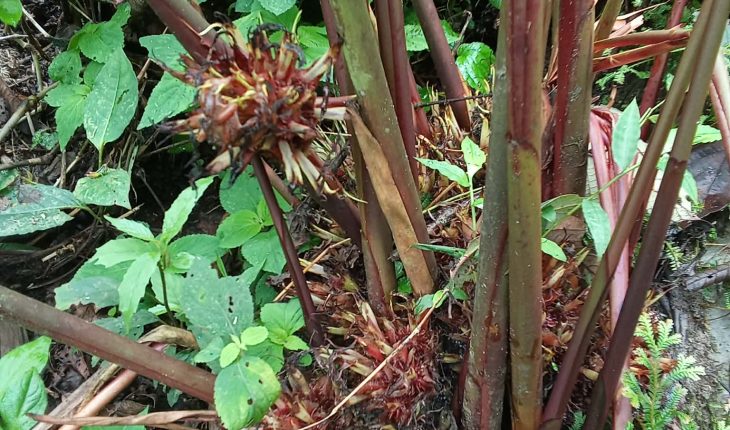
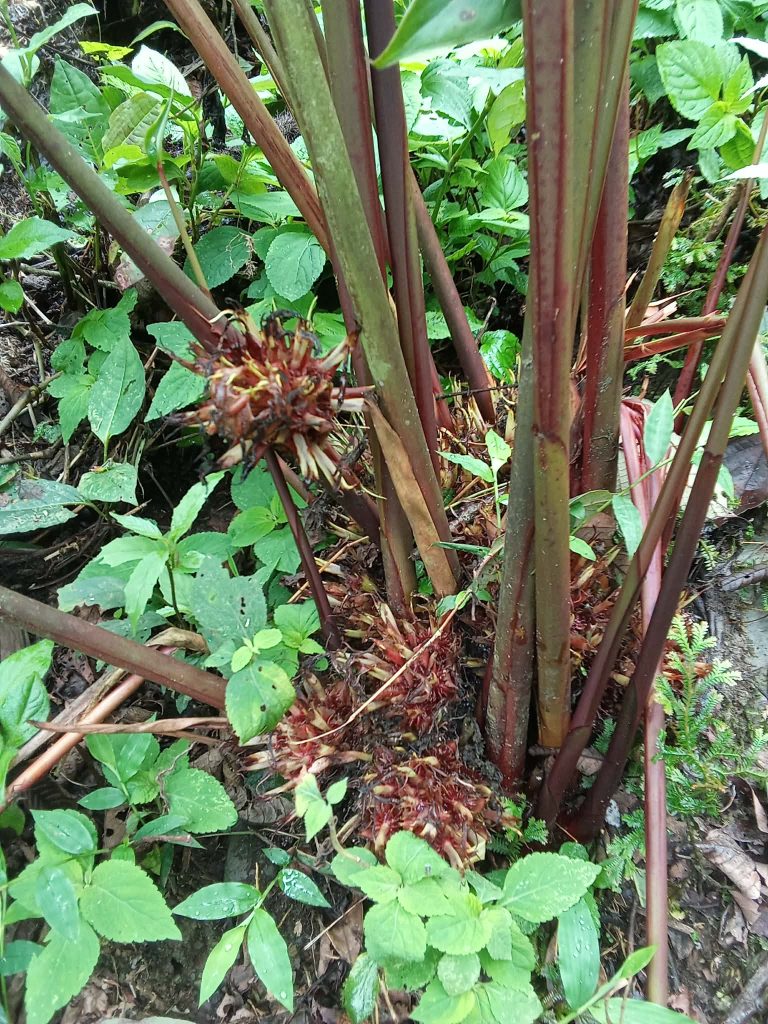
As the cardamom harvesting season in Chhudzom Gewog, Sarpang Dzongkhag, draws to a close, local farmers are confronting mounting uncertainty over prices, procurement timelines, and access to markets.
Once a stable source of cash income, cardamom farming this season has generated more anxiety than assurance, with declining prices, unsold surplus, and heavy reliance on middlemen shaping the local market dynamics.
Farmers estimate that nearly three-quarters of the harvest remains unsold, attributing the situation to the Food Corporation of Bhutan (FCB) quota-based purchasing system, delayed market intervention, and the growing influence of private vendors. While institutional buying is intended to stabilise prices during periods of high supply, farmers and local leaders alike argue that the timing and scale of FCB’s engagement have limited its effectiveness on the ground.
Responding to concerns raised by farmers and local leaders, Dawa Tshering the Regional Director of the FCB, Gelephu, said that FCB’s procurement planning is guided by historical data and national-level approvals rather than gewog-specific quotas.
“FCB determines its cardamom purchasing quota based on procurement data from the past three years, from 2022 to 2024,” he said. “An overall procurement proposal is submitted to the Board for review, and after endorsement, it is forwarded to the Ministry of Finance and the external review team for approval.”
Once approval is granted, procurement targets are distributed across regions. “From the region, we allocate the target on a dzongkhag-wise basis. There is no separate quota fixed at the individual gewog level,” he said.
FCB currently procures cardamom from Dagana, Tsirang, Zhemgang, Sarpang, and Trongsa. “Based on historical trends, we have procured around 70 to 80 percent of total procurement over the past three years from Sarpang Dzongkhag, and a similar proportion has been planned for the current year, which includes Chhudzom Gewog,” he added.
According to him, FCB’s decision on when to enter and exit the cardamom market is shaped by prevailing market conditions. “Our decision to enter the cardamom market is guided by past market trends and prevailing price movements,” he said. “Purchase prices are determined through quotations obtained from interested buyers.”
He said FCB’s withdrawal from the market is tied to performance targets. “Exit from the market is generally linked to the achievement of approved procurement targets allocated to each region, in line with the Annual Performance Compact,” he explained.
Farmers, however, note that once FCB completes its quota and exits, prices tend to decline sharply. The Regional Director acknowledged this pattern. “We understand that prices decline after our procurement quota is met,” he said. “Our primary role has been to provide price support during periods of high supply rather than remain in the market on a continuous basis.”
He added that FCB’s capacity to extend procurement is constrained. “Our capacity to go beyond the approved target is limited by financial constraints,” he said.
Addressing concerns that small and marginal farmers may be crowded out by vendors supplying large, aggregated volumes, the Regional Director said FCB prioritizes direct procurement. “FCB procures direct purchases from farmers through designated buying centres,” he said. “When field teams visit procurement locations, farmers are informed in advance through local leaders.”
He added that most farmers are now familiar with FCB’s procurement process. “It has also been observed that some farmers choose to delay selling their produce in anticipation of higher prices later in the season,” he said, noting that this behaviour also influences market dynamics after FCB exits.
At the gewog level, however, coordination gaps remain evident. Gomba Tshering, Agriculture Extension Supervisor of Chhudzom Gewog, said production estimates were not fully integrated into procurement planning.
“The officially estimated cardamom production volume for Chhudzom Gewog in 2025 is approximately 76.65 metric tonnes,” he said. “This estimate is based on current field assessments and historical production trends, but actual production may vary due to disease, weather conditions, and management practices.”
He said the agriculture sector was not directly involved in price negotiations. “Marketing and price determination are largely market-driven and occur through export channels managed by middlemen in coordination with FCB,” he said.
On coordination, he added that production data was available but not jointly planned around. “Production estimates were available at the gewog level, but they were not formally used for joint planning with FCB before the harvesting season,” he said.
On FCB’s quota, he added, “There is no specific quota for Chhudzom Gewog. FCB did not formally share its purchasing quota with the Gewog Agriculture Sector prior to the harvesting season.”
As a result, he said procurement appeared internally determined. “Once FCB fulfilled its internal quota, it withdrew from further purchases, which did not fully reflect the actual production estimate of around 76.65 metric tonnes,” he said.
He added that after FCB exited, the market adjusted without formal intervention. “After FCB stepped out, there was a temporary drop in prices, but private traders absorbed the remaining produce, and no formal complaints were received from farmers stating that they could not sell their cardamom,” he said.
On the ground, farmers say the consequences are immediate and tangible. Chhudzom Gup Bishnu Prasad Rai said lack of consultation has intensified tensions.
“FCB comes to the gewog with a fixed quota without consulting us,” he said. “If they coordinated with the gewog, we could inform them about the right harvesting period and how long they should stay.”
He said FCB’s exit triggers a chain reaction. “Last time FCB paid Nu 68,000 per 40 kilograms, which was the same rate offered by local vendors. But once FCB completed its quota and left, vendors reduced the price. Farmers suffered,” he said.
Farmers such as Prem Bdr Ghalley of Sherabling chiwog said the quota system leaves surplus produce vulnerable. “If our production exceeds FCB’s quota, the extra cardamom remains unsold,” he said. “There is no guaranteed income for the surplus.”
Others pointed to middlemen dominance. “We don’t have direct access to markets in India or Bangladesh,” said Tula Ram Ghalley of Gaylegthang chiwog. “Everything is handled by middlemen, and they take most of the profit.”
Adding further perspective, Gomba Tshering emphasized the need for better coordination between FCB and local authorities. “We had production data ready, but it was not formally used to plan procurement with FCB,” he said. “If joint planning is considered, it could help farmers manage sales better and reduce dependency on middlemen.”
He also suggested that early communication could stabilize markets. “If farmers knew procurement timelines in advance, they could plan their harvests accordingly and avoid distress sales,” he said.
On potential reforms, he said, “Household-based purchase limits could ensure equitable access for all farmers. It would prevent a few vendors from capturing the entire quota and allow smallholders to benefit fairly.”
As the season draws to a close, farmers across Chhudzom Gewog are calling for earlier intervention, better coordination, and transparent procurement. “Chhudzom is the highest cardamom producer in Sarpang,” Gup said. “If we don’t fix timing, coordination, and monitoring, farmers will continue to suffer.”
Farmers are calling for more transparent, coordinated, and timely interventions by the FCB to stabilise prices, ensure equitable access, and protect farm-gate earnings. Strengthened collaboration between institutional buyers, local authorities, and farmers is essential to safeguard livelihoods and restore confidence in agriculture sector.