RENUKA RAI | Thimphu
Bhutan’s economy is projected to maintain strong growth over the next two fiscal years, supported largely by hydropower expansion, even as global uncertainties, rising inflation, and structural vulnerabilities present emerging risks to the country’s economic outlook.
According to the latest Bhutan Development Update released by the World Bank Group, Bhutan’s real Gross Domestic Product (GDP) is expected to grow by 7.1 percent in the fiscal year 2025–26 and 6.4 percent in 2026–27.
These figures position Bhutan among the faster-growing economies in South Asia, reflecting a degree of resilience despite an increasingly uncertain global environment.
The report attributes much of this growth to developments in the hydropower sector, which continues to serve as the backbone of Bhutan’s economy.
The anticipated full commissioning of the Punatsangchhu-II Hydroelectric Project is expected to significantly boost electricity generation and exports.
Additional projects, including Dorjilung and Khorlochhu, are also progressing and are likely to contribute to economic output in the coming years.
However, the reliance on a single sector also raises concerns about economic concentration and vulnerability to sector-specific shocks.
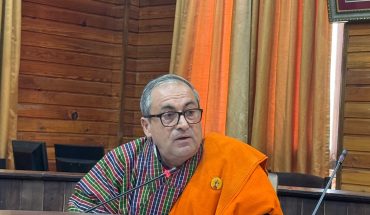
“Bhutan has maintained robust growth and made impressive strides towards reducing poverty,” said Xavier Furtado, World Bank Group Manager for Bhutan. “But amid rising global uncertainties, sustaining this momentum will require careful policy management.”
One of the most pressing external risks highlighted in the report is the rise in global energy prices.
Ongoing geopolitical tensions, particularly in the Middle East, have disrupted oil supply chains, leading to increased fuel prices worldwide.
For Bhutan, a landlocked country that relies heavily on imported fuel, these developments have direct economic consequences.
Higher fuel prices increase transportation and production costs across sectors, contributing to rising inflation.
The report projects that inflation in Bhutan will reach 5.2 percent in FY2025–26 and rise further to 5.6 percent in FY2026–27, driven primarily by increases in food and fuel prices.
“Higher-than-expected fuel prices stemming from a prolonged Middle East conflict remain a key risk,” said Yumeka Hirano, Senior country Economist, World Bank. “This could further strain fiscal balances and increase inflationary pressures.”
Bhutan’s external economic position shows signs of improvement, with international reserves projected to reach around USD 1.3 billion, equivalent to approximately seven months of imports. This provides a degree of financial stability and helps cushion the economy against external shocks.
However, the report notes that the current account deficit is expected to remain high at around 20 percent of GDP, largely due to imports associated with hydropower construction.
While these investments are critical for long-term growth, they continue to exert pressure on external balances in the short term.
The tourism sector, another key contributor to GDP, is gradually recovering but remains vulnerable to global uncertainties. Bhutan’s high-value, low-impact tourism model continues to attract visitors, but external factors such as global economic slowdowns or geopolitical instability could affect tourist arrivals.
Beyond hydropower and tourism, the report emphasizes the need for economic diversification to sustain growth. Bhutan’s reliance on a narrow economic base limits its ability to absorb shocks and creates long-term risks for stability.
Expanding sectors such as agribusiness, digital services, and small-scale manufacturing could help broaden the economic base and reduce dependence on hydropower. Investments in these sectors could also enhance productivity and create new sources of income.
The report highlights the importance of structural reforms in supporting this transition. Improving infrastructure, strengthening the financial sector, and enhancing access to credit are seen as key steps in fostering private sector development.
Encouraging foreign direct investment (FDI) is another priority. By creating a more business-friendly environment, Bhutan can attract investment in sectors that contribute to both growth and diversification.
At the regional level, Bhutan’s outlook aligns with broader trends in South Asia, where growth remains strong but is expected to moderate due to global challenges.
“Despite a challenging global environment, South Asia’s growth prospects remain strong,” said Johannes Zutt, World Bank Vice President for South Asia. “Countries need to implement critical policy reforms to sustain this momentum and build resilience to external shocks.”
As global uncertainties persist, Bhutan’s ability to adapt through sound policies, strategic investments, and economic diversification will determine whether it can maintain its growth trajectory and build a more stable and sustainable economy in the years ahead.