KINLEY KHANDU CHODEN | Thimphu
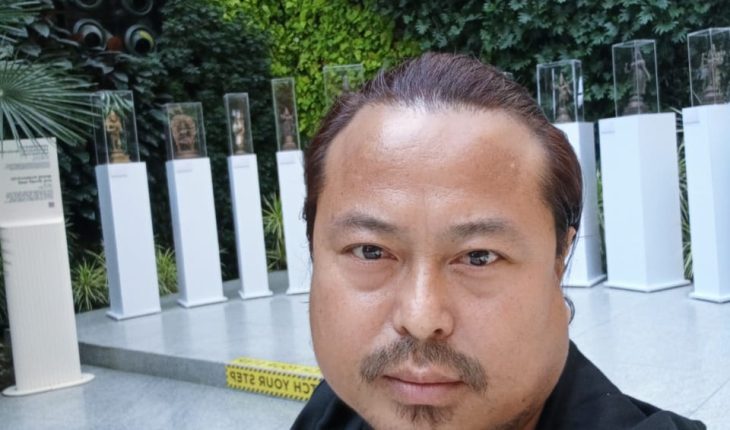
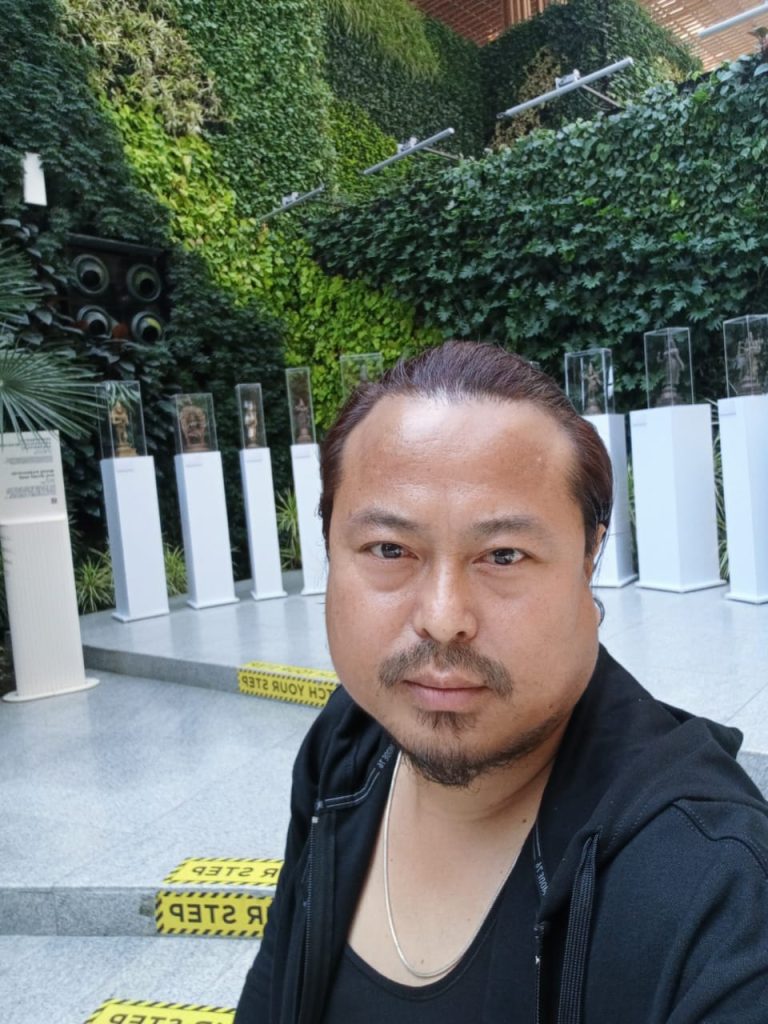
Sonam Wangchuk, also known as Baley, traces the beginning of his substance use disorder back to his school years, when curiosity and peer influence first exposed him to drugs. Drawn to older boys he perceived as bold and adventurous; he gradually became part of their social circle. It was within this environment that he first encountered narcotics, initially experimenting out of curiosity before moving into repeated use that eventually developed into long-term addiction.
What began as experimentation soon escalated into a dependency that lasted for nearly 25 years. Over time, his substance use began to reshape every aspect of his life, including his education, family relationships, and sense of responsibility. He dropped out of school and remained in active addiction for years, despite attempting to maintain aspects of normal life such as work and marriage.
His personal life was marked by repeated breakdowns in relationships. He was married multiple times and has children, but said his addiction played a central role in the collapse of each relationship. Even after marriage, he continued using drugs, a pattern that eventually led to separation and divorce. He described a growing emotional detachment during those years, saying he became numb to the consequences of his actions and began to normalize separation and instability within his family life.
“I did not feel the consequences of what I was doing,” he reflected, describing how addiction gradually altered his perception of responsibility and emotional connection. He said substance use made him indifferent to both relationships and obligations, creating distance between himself and his family.
As his addiction deepened, Wangchuk’s relationship with his family became increasingly strained. Repeated relapses and periods of imprisonment eroded trust, although he noted that his family continued to offer support in different forms, including occasional visits and financial assistance. Despite ongoing concern, his behaviour over time led to instability within the household, both emotionally and financially.
His situation deteriorated further as mental and emotional health challenges intensified. Financial instability followed, and he became increasingly disconnected from his family and support systems. He describes this period as his lowest point, when he began to recognize the extent of damage caused by years of substance use.
A turning point came with the intervention of a friend, who encouraged him to enter rehabilitation. He said his initial motivation for entering treatment was not recovery itself, but to avoid a possible police sentence linked to ongoing legal issues. However, his perspective began to shift during his stay in rehabilitation, particularly through structured counselling sessions and educational programs.
Wangchuk completed a three-month rehabilitation program in Siliguri, India, followed by a period in aftercare support. It was during this phase that he began to reassess his life more critically and slowly adopt a different outlook. He said the exposure to counselling and structured routines helped him understand the need for sustained change and personal accountability.
Following rehabilitation, he remained engaged in aftercare services and gradually transitioned into a supporting staff role at the same center. In this position, he now works alongside others undergoing recovery, continuing his own rehabilitation journey while also assisting those currently in treatment.
He acknowledges that his addiction had severe financial consequences for his family. At one point, he said, he had “wasted” his father’s wealth and contributed to financial hardship, despite continued support from his parents and sisters during recovery. The family’s involvement, he noted, persisted even during periods of legal and personal crisis.
Sonam Wangchuk also described the social environment surrounding his addiction as largely unsupportive, particularly during earlier years. He said he experienced judgment and stigma from society, with limited acceptance for individuals struggling with substance use. In contrast, he now perceives a more supportive environment as he continues his recovery and maintains a structured daily routine.
He reports that he has maintained discipline and personal care consistently for the past three years, marking what he considers a period of stability after decades of instability. However, he also acknowledged that his addiction period included violent and high-risk situations, including incidents in Jaigaon, where his family reportedly took steps to ensure his safety by renting accommodation and providing financial assistance amid ongoing threats and instability.
Reflecting on his life as a whole, Wangchuk said he recognizes failures in multiple roles—as a father, son, and member of society. He described a long period of emotional isolation following the breakdown of his third marriage, during which he struggled to communicate his internal distress and remained unaware of the full impact of his behaviour on others.
While he accepts responsibility for his actions, he said he does not dwell on past events. Instead, he focuses on maintaining stability in his present life and contributing positively through his work in aftercare support. His current routine, he said, is centered on recovery, discipline, and assisting others facing similar struggles.
Today, his story stands as one of prolonged addiction, repeated personal loss, and gradual recovery through rehabilitation and structured support—marked by ongoing efforts to rebuild a life shaped heavily by its past.