DAWA ZANGMO | Thimphu
Concerns over the proposed revision of electricity tariffs dominated discussions in ongoing National Assembly session on Friday 15 May 2026.
Members of Parliament questioned whether households and businesses would be able to withstand another rise in living costs amid ongoing economic challenges.
The MPs sought clarification from the government regarding the rationale behind the proposed tariff increase and asked whether support measures would be introduced to ease the burden on the public.
Under the proposed tariff revision, low-voltage consumers would pay Nu 5.63 per unit, an increase from the current Nu 2.66 per unit. Low-voltage users include households, offices, and small businesses.
Although they account for the majority of electricity consumers in the country, they consume only around 10 percent of Bhutan’s domestic power generation.
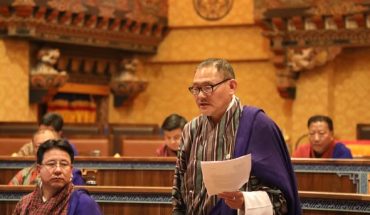
During the discussion, Khamdang-Ramjar MP Namgay Dorji raised concerns over the timing of the proposed tariff revision, particularly at a time when many people are already struggling with rising expenses and economic uncertainty.
“The timing of the proposal is concerning, especially with the economic uncertainties linked to the ongoing conflict in the Middle East and the increasing cost of living. In such circumstances, are there any plans to provide subsidies or other forms of support for people who are already finding it difficult to manage their daily expenses?” he asked.
Meanwhile, Khengkhar-Weringla MP Dorji Wangmo also questioned the sustainability of the government’s spending on subsidies and the possible financial implications of further support measures if electricity tariffs are revised upward. She said that during the financial year 2025–2026, Nu 378 million has been allocated for domestic power subsidies. At the same time, the government is already spending a substantial amount on fuel subsidies.
“With inflation continuing to remain high due to factors such as the implementation of GST, increasing fuel prices, and the rising cost of living, many people are already under financial pressure. In this context, if electricity tariffs are increased, will the government continue subsidies at the current level, or will additional subsidies be required? If further subsidies are needed, where does the government plan to mobilise the required budget from?” she questioned.
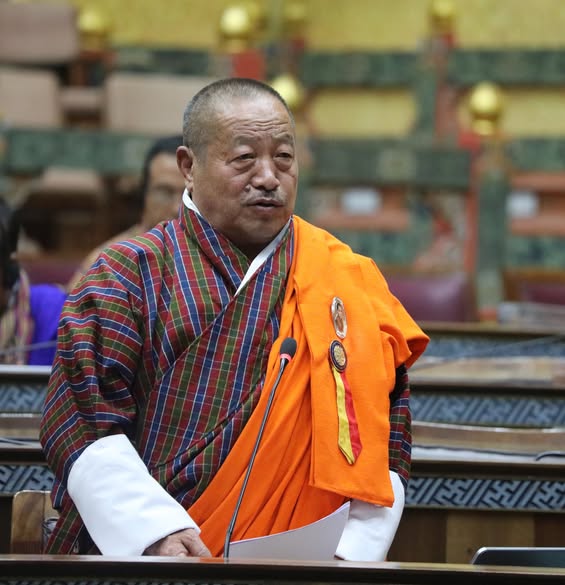
Responding to the concerns raised by the MPs, the Minister for Energy and Natural Resources, Lyonpo Gem Tshering said the tariff revision process is carried out in accordance with the provisions of the Electricity Act of Bhutan, which allows electricity tariff proposals to be reviewed every three years.
“If we refer to the Electricity Act of Bhutan, Section II allows Druk Power Corporation Limited to submit tariff revision proposals every three years. The committee responsible for reviewing the proposal includes DHI and members from outside the government. The proposal submitted is studied by DGPC and BPC, and consultations are also carried out with the public before implementation,” Lyonpo said.
The minister further stated that the government would continue providing electricity subsidies, including subsidies covering 200 units for highlanders and 100 units for rural households.
He also noted that despite the proposed revision, Bhutan’s electricity tariffs remain comparatively lower than those in several countries across the region.
The proposed tariff revision comes at a time when concerns over inflation and increasing living costs continue to affect households and businesses across the country. MPs highlighted that rising fuel prices, GST implementation, and broader economic uncertainties have already placed pressure on the public, prompting calls for careful consideration before introducing additional utility costs.
The discussion reflected broader concerns over balancing the financial sustainability of the country’s energy sector while ensuring affordability for consumers. MPs emphasised the importance of safeguarding ordinary citizens and small businesses from additional financial strain, particularly during a period of economic uncertainty.
The government, however, maintained that the tariff review process follows established legal procedures and includes technical assessments and public consultations before any final decision is made.
The National Assembly’s deliberation on the proposed electricity tariff revision is expected to continue as lawmakers seek further clarity on the impact of the increase and the government’s plans to address public concerns.