KARMA CHOGYAL YOEZER | Thimphu
The renewable energy sector in Bhutan could receive a major policy push under the Renewable Energy Tax Exemption Bill of Bhutan 2026, which proposes tax exemptions aimed at lowering project costs, attracting investment, and speeding up the development of renewable energy infrastructure across the country.
The bill states that renewable energy is a strategic national resource for Bhutan and is closely linked to economic growth, national energy security, and the country’s long-term development aspirations. It recognizes that targeted, time-bound, and conditional tax exemptions can help catalyze investment, reduce project development costs, improve tariff competitiveness, and support the timely development of critical renewable energy infrastructure.
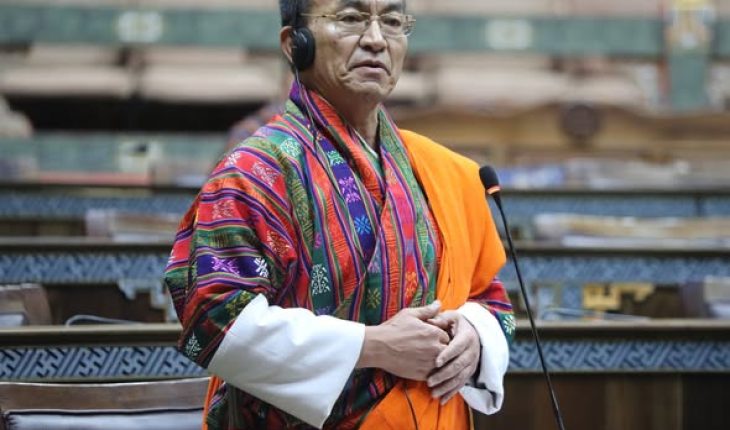
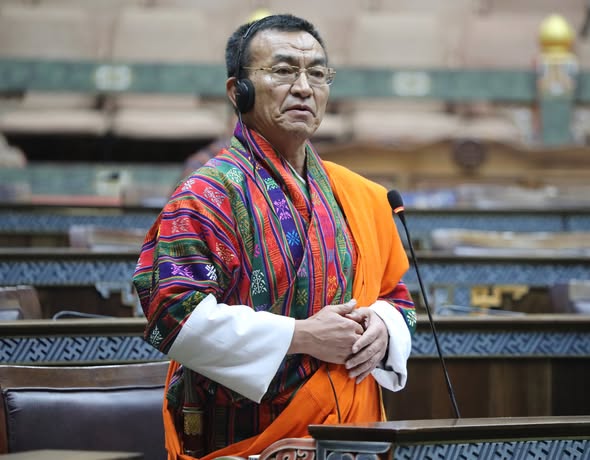
Introducing the bill at the ongoing National Assembly session on 14 May, the finance minister, Lyonpo Lekey Dorji said, “The bill would exempt direct inputs used for the development, installation, and establishment of authorized renewable energy operations from indirect taxes.”
According to the bill, the main objective is to promote investment in renewable energy, reduce development costs, accelerate renewable energy infrastructure, strengthen long-term energy security, and provide tax exemptions on indirect taxes for direct inputs used in construction, installation, or establishment of approved renewable energy activities. It also provides exemption from Property Ownership Transfer Tax w
here applicable.
The proposed law covers renewable energy activities involving generation, storage, transmission, conversion, and promotion of energy from renewable sources. These include hydropower, solar, wind, biomass, geothermal, biofuels, green hydrogen, and other renewable sources that may be designated by the responsible ministry.
Under the bill, the exemptions will apply only to indirect taxes that are directly and exclusively attributable to direct inputs used in approved renewable energy activities. This means the benefits will be limited to goods and services that are physically incorporated into, or form an integral part of, construction, installation, or establishment works. These may include civil works, electro-mechanical equipment, hydraulic structures, and associated transmission infrastructure supporting grid interconnection.
However, the bill makes clear that not all goods and services will qualify. Items of a general administrative, residential, commercial, or support nature will not be covered. Goods and services that are not directly linked to the construction, installation, or establishment of an approved renewable energy activity will also be excluded.
The bill also lays out a formal approval process. Any entity intending to engage in a renewable energy activity must first apply to the responsible ministry for approval. Once approved, the entity may then apply to the Ministry of Finance (MoF) for tax exemption. The MoF will assess whether the goods and services for which exemption is sought are direct inputs and whether they are exclusively used for the approved activity.
A key safeguard in the bill is the restriction on resale and transfer. An approved entity that receives tax exemption cannot sell, transfer, dispose of, or otherwise change the use of exempted goods and services without prior written approval from the MoF. If exempted goods or services are transferred without permission, the entity may become liable to pay all applicable taxes, duties, charges, and penalties.
The bill also includes provisions for monitoring, review, audit, inspection, and post-clearance audits. Approved entities will be required to maintain records, accounts, and documents showing their entitlement to exemption. These records must be preserved for five years from the date of the relevant transaction.
To prevent abuse, the MoF may reassess or recover taxes, revoke or cancel approvals, disqualify entities from exemptions, and impose fines or penalties if an approved entity fails to comply with conditions or misuses the exemption.
The proposed law also contains strong measures against the diversion of imported goods. Diversion includes exporting, transferring, or moving goods out of Bhutan without authorization, or using, selling, or disposing of them in a manner inconsistent with the declared purpose or tax exemption conditions. In such cases, the exemption may become void, and taxes, duties, charges, interest, and penalties may become immediately payable.
For completed diversion, the bill proposes a penalty of 150 percent of the customs value of the goods, along with possible charges under the Penal Code of Bhutan. For attempted diversion, the proposed penalty is 50 percent of the customs value of the goods, along with possible legal consequences.
The bill also proposes a clear time frame. It will expire either when the government formally declares that the national renewable energy target of 25 gigawatts has been achieved, or on 31 December 2040, whichever comes earlier.
For Bhutan, the proposed legislation comes at a time when renewable energy diversification is increasingly important. While hydropower remains the backbone of the country’s energy sector, the inclusion of solar, wind, biomass, geothermal, biofuels, and green hydrogen shows a broader policy direction toward diversifying the national energy mix.
If passed, the bill could reduce the upfront financial burden on renewable energy investors and developers. By exempting selected taxes on direct project inputs, the government aims to make renewable energy projects more financially viable while also protecting public revenue through strict compliance and anti-abuse provisions.
At the same time, the bill signals that tax incentives will not be open-ended. The exemptions are conditional, activity-specific, and subject to monitoring. This approach attempts to balance two priorities: encouraging investment in renewable energy and preventing misuse of tax benefits.
The National Assembly referred the bill to economic and finance committee for review with the report to be presented on 3 June for third reading.