KARMA CHOGYAL YOEZER | Thimphu
For many people living in Thimphu, rent has become one of the biggest monthly worries.
What used to be seen as a normal household expense is now forcing families, students, civil servants, and low-income workers to make difficult choices about where to live, what to spend on, and how much they can save.
As more people continue to move to the capital for education, employment, business, and better access to services, the demand for housing has grown. However, affordable rental homes have not increased at the same pace. This has created pressure in the housing market, especially for people whose income has not kept up with the rising cost of living.
For tenants, the pressure is felt as soon as the monthly salary comes in. Rent is usually the first payment they make, followed by electricity, water, food, transport, school expenses, loans, and other household needs. By the time these expenses are covered, many say there is little left for savings or emergencies.
A private employee Dechen Tshomo, 31, said rent has become the heaviest part of her monthly budget.
“After paying rent, school fees, groceries, and transport, there is hardly anything left. We are working every month, but saving has become very difficult. Sometimes one small unexpected expense is enough to disturb the whole month.”
Civil servants posted in Thimphu say the problem is especially difficult for those with families. While government employment provides job security, many say salaries are not always enough to meet the rising cost of urban living. Some choose to live farther from the city centre to reduce rent, but this often increases transport costs and travel time.
Students also face similar challenges. Many young people studying in Thimphu depend on parents, relatives, scholarships, or part-time work. For them, finding a room that is both affordable and close to college is difficult. Cheaper rooms are often located farther away, while houses near colleges and town areas usually cost more.
Another private employee Kinley Choden, 27, a former student of Royal Thimphu College, said sharing rooms has become normal for many students.
“We usually share rooms because staying alone is too expensive. Sometimes three or four students live together just to manage the rent. It is not always comfortable, but we do it because there are not many affordable choices.”
Low-income workers are among the hardest hit. Security guards, cleaners, drivers, shop assistants, restaurant workers, and other private employees often earn modest salaries. For them, even a small rent increase can disturb the entire household budget. Some live in shared rooms, while others stay with relatives or in small rented spaces with limited facilities.
Housing is no longer only a question of comfort. It has become a question of financial stability. When families spend a large part of their income on rent, they have less money for food, education, healthcare, transport, and savings. For low-income households, this can create constant financial stress.
Landlords, however, say the issue cannot be understood from the tenant’s side alone. Some say rent increases are linked to rising construction costs, loan repayments, maintenance, taxes, and the cost of basic materials. Many building owners have taken loans to construct houses, and they argue that rental income is also used to repay banks and maintain buildings.
A house owner Ugyen Singye, 51, said many people assume that landlords increase rent only for profit, but the situation is more complicated.
“People think landlords increase rent only to earn more, but construction and maintenance costs have also gone up. If the building was built with a loan, the landlord also has monthly repayments. Even small repairs have become more expensive now.”
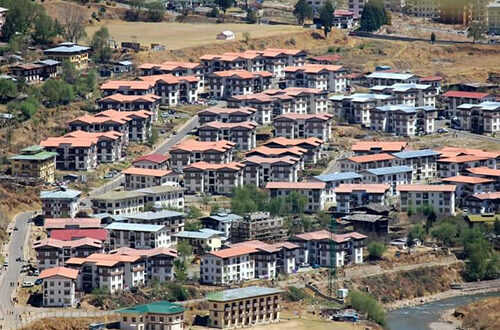
Real estate agents say the rental market in Thimphu is shaped by location, access, and demand. Areas closer to schools, offices, hospitals, shops, and public transport are more expensive. Places such as Babesa, Olakha, Changzamtog, Taba, Motithang, Jungshina, and Hejo remain popular because of convenience. But convenience often comes with higher rent.
Kinzang Wangchuk, who works in real estate, said affordable houses in convenient locations are difficult to find.
“There are houses available, but affordable houses in good locations are very hard to find. Whenever a reasonably priced unit is available, it gets taken quickly. Many tenants ask for lower rent, but owners also look at location and demand.”
Some tenants say they avoid complaining about poor facilities because they fear losing their place. In a tight rental market, tenants may tolerate leaking roofs, poor insulation, limited parking, or irregular water supply because finding another house is difficult. This creates an unequal relationship between landlords and tenants, especially when tenants do not have many choices.
The National Housing Development Corporation Limited has been working to provide affordable housing, but demand remains high. Affordable housing projects are important because they provide relief to selected households, especially those from lower- and middle-income groups. However, many residents say the number of affordable units is still not enough to meet the growing demand in the capital.
For many residents, the gap between demand and supply remains wide. A few housing projects may help some families, but thousands of others still depend on private rental housing. This means rent pressure continues to affect a large section of Thimphu’s population.
Thimphu Thromde also plays a key role in addressing housing pressure. Urban planning, land use, road access, water supply, public transport, and community infrastructure all affect where people can live and how much they pay. Housing cannot be separated from transport and services. If affordable housing is built far from workplaces and schools, families may save on rent but spend more on taxi fares, fuel, bus travel, and time.
The coping strategies used by residents are becoming increasingly common. Families move to smaller apartments. Young workers share rooms. Students live in groups. Some people move to the outskirts. Others continue living with parents or relatives even after getting jobs because independent living is too expensive.
Ngawang Thinley, 26, who came to Thimphu in search of better opportunities, said rent has changed the way many young workers think about city life.
“We came to Thimphu to earn, but sometimes it feels like we are earning only to pay rent. After rent, food, and transport, there is very little left. Living in the city gives opportunities, but it also comes with a lot of pressure.”
Housing pressure also affects social life. Young couples may delay marriage or having children because they cannot afford a separate home. Workers may avoid moving to Thimphu even when there are job opportunities. Students may choose cheaper but less convenient housing, which can affect their study routine, safety, and travel time.