KINLEY KHANDU CHODEN | Thimphu
Human-wildlife conflict management must move beyond short-term measures such as fencing, translocation and compensation towards long-term approaches that address community well-being, social inequalities and changing ecological conditions, conservation experts said.
The call was made during the regional conference on human-wildlife coexistence, under the theme From Conflict Response to Resilient Systems in Shared Landscapes.
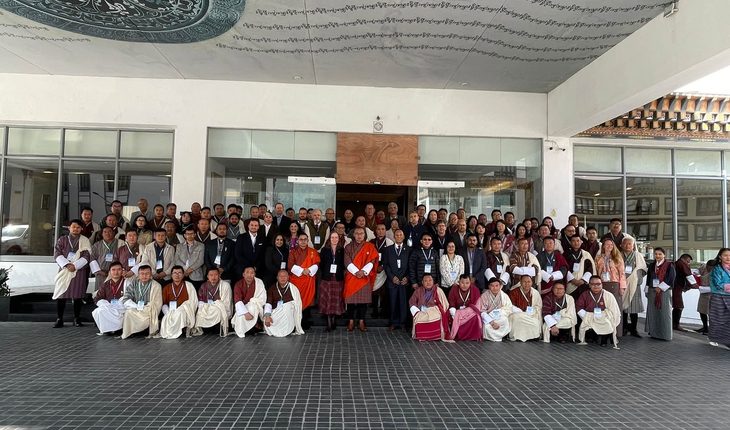
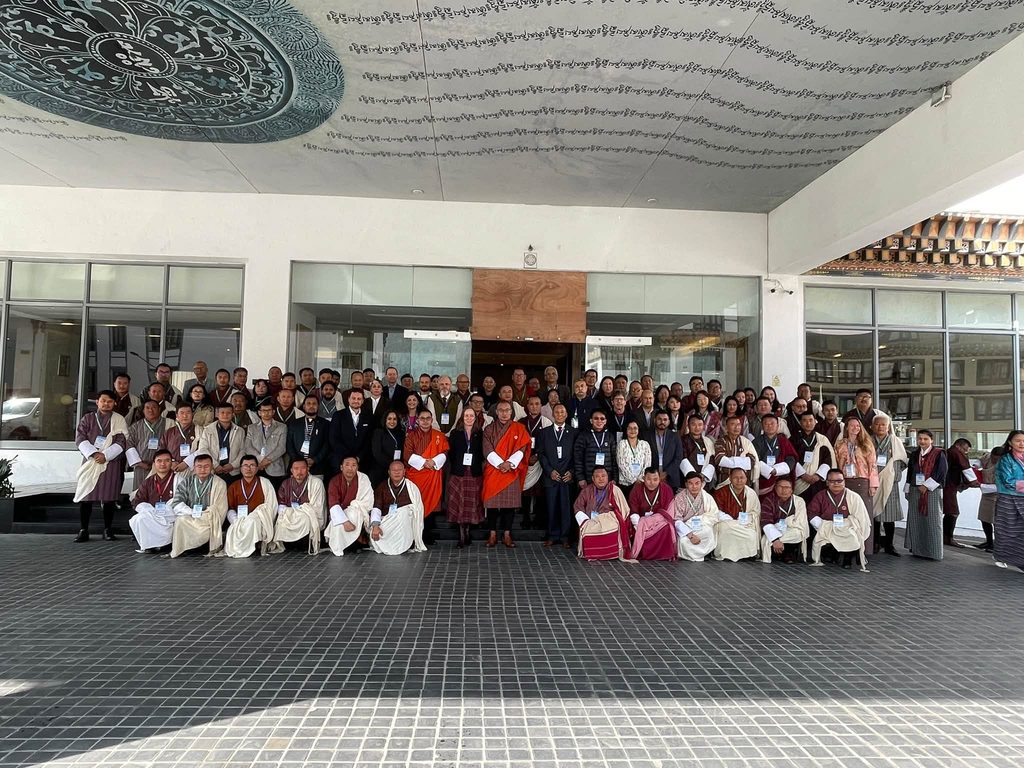
The conference brought together conservation organisations, government agencies, researchers and other stakeholders to examine the ecological, social and economic factors shaping human-wildlife interactions.
During the session, social scientist Dr Smith Dahal of the Tigers Alive Initiative said human-wildlife conflict was not merely a conservation concern but a cross-sectoral development issue affecting food security, health, education, access to clean drinking water and community well-being.
She said conservation organisations traditionally focused on direct impacts such as crop losses, livestock depredation, human injuries and wildlife deaths, while giving less attention to the wider social consequences experienced by affected communities.
“One of the dimensions that we need to focus a lot more as we move forward is the human dimension of conflict management,” she said.
Dr Dahal said different groups within the same landscape experienced conflict differently and had varying perspectives on how wildlife should be managed. Addressing these differences requires a better understanding of who bears the costs of coexistence and whose voices influence decisions.
She cautioned against treating communities as homogeneous groups, saying that existing village representatives and committees might not necessarily represent the interests of all community members.
Small landholders, livestock owners, forest-dependent communities and women with additional caregiving responsibilities are often among those most affected by human-wildlife conflict, yet they may have limited influence over the design of conservation interventions.
In contrast, tourism operators and conservation organisations may have greater influence in decision-making despite experiencing fewer direct impacts.
“A community representative does not necessarily mean that they are voicing all the perspectives from different community members,” she said.
She called on conservation organisations to examine governance structures, power imbalances and elite capture within communities to ensure that those most affected have a meaningful role in decisions.
Dr Dahal also said coexistence should not be understood as a situation where human-wildlife conflict completely disappears. Instead, it is a dynamic condition in which the needs and interests of people and wildlife sharing a landscape are generally met.
“What works for coexistence in one landscape might not work in another landscape,” she said, emphasising that conservation approaches must be adapted to local contexts rather than replicated without considering differences in communities and ecosystems.
She outlined three broad conditions of coexistence: temporary and unsustainable coexistence, conditional coexistence, and supported and sustainable coexistence.
While temporary coexistence involves recurring losses and compromised human well-being, conditional coexistence exists where communities are willing to live alongside wildlife but continue to face barriers that limit their ability to cope with conflict.
Supported and sustainable coexistence, she said, requires effective management of human-wildlife interactions, support for livelihoods, recognition of community rights and cultural values, participatory decision-making and ecological conditions that allow wildlife to survive.
She cautioned that even within the same landscape, some households may experience relatively sustainable coexistence while others continue to bear significant costs.
Another concern is the tendency to measure community well-being primarily through household income, overlooking the physical, mental and social consequences of living alongside wildlife.
These include sleep deprivation caused by night-time guarding, fear and stress, restrictions on people’s movement and children missing school because parents are afraid of wildlife encounters.
“Well-being is just beyond measuring how much you’re earning,” she said.
Dr Dahal said conservation programmes must account for these less visible costs and develop interventions that address the wider effects of conflict on people’s quality of life.
She also emphasised that increasing tolerance towards wildlife does not necessarily mean coexistence has been achieved. Tolerance refers to people’s ability and willingness to accept the actual or potential costs, both tangible and intangible, of sharing a landscape with wildlife.
Dr Sugoto Roy, Co-Chair of the International Union for Conservation of Nature’s Species Survival Commission Cat Specialist Group, highlighted how climate change, changing land-use patterns and growing human populations are reshaping human-wildlife interactions.
He said climate change was altering wildlife distribution and behaviour, with some species moving into geographical areas and elevations where they were rarely encountered before.
As habitats, prey availability and vegetation change, wildlife is adapting to new environmental conditions. These changes can bring animals into contact with communities that have little experience of managing interactions with particular species.
He cited examples of tigers moving into higher elevations and wildlife entering urban environments, including snow leopards photographed in Almaty, Kazakhstan.
Dr Roy said increasing human populations and changes in settlement patterns were also bringing people and wildlife into closer contact, making conflict management more complicated.
However, he cautioned against assuming that larger wildlife populations or greater overlap between human and animal habitats automatically result in more conflict.
“More animals don’t necessarily lead to more conflict directly,” he said.
In some cases, conflict may be driven by individual animals that have learned to overcome deterrent measures. In others, communities experience problems involving several species rather than a single animal.
He pointed out that communities in different parts of Asia may face interactions involving tigers, elephants, leopards, sloth bears and wild boars, making it difficult to address conflict through species-specific interventions alone.
Dr Roy also questioned the long-term effectiveness of conventional measures such as fencing, translocation and lethal control, saying these interventions can sometimes shift problems rather than resolve their underlying causes.
Fences, for instance, may prevent wildlife from entering certain areas but can also obstruct natural movement and connectivity between animal populations. Animals may then find alternative routes, potentially bringing them into contact with communities elsewhere.
Similarly, relocating an animal identified as a problem may simply transfer the conflict to another location if the behaviour and conditions that caused the problem remain unchanged.
He said poorly maintained mitigation infrastructure was another concern, with some landscapes left with damaged or abandoned fences and electric fencing systems that no longer function after project funding ends.
Dr Roy said conflict management should therefore move beyond isolated technical interventions and consider the relationships between different groups of people, land-use patterns and ecological conditions across entire landscapes.
He also questioned whether the number of incidents, wildlife deaths or compensation payments alone could adequately measure human-wildlife conflict.
People’s experiences and tolerance levels vary depending on how frequently they encounter wildlife, the nature of the losses they experience and their ability to cope with the associated risks.
He suggested that Bhutan could consider a broader approach to measuring coexistence, drawing on its experience of incorporating well-being and happiness into development planning.
Rather than relying exclusively on numerical indicators, he said, conservation planning should establish long-term ambitions for coexistence and consider how communities value and relate to wildlife.
He also called for changes in tourism practices so that wildlife is valued as an integral part of the wider landscape rather than treated only as an attraction.
Building tolerance, acceptance and trust requires sustained engagement with communities, awareness programmes and long-term planning, he said.
Financing, he added, must also move beyond short-term projects towards sustainable mechanisms such as insurance, revenue-sharing arrangements, alternative livelihoods and payment for conservation performance.
“We can’t just keep moving from one technical aid project to the next technical aid project,” he said, pointing to the limitations of projects that last only a few years without ensuring continuity and maintenance.
Both presentations highlighted the importance of community ownership, participatory governance and stronger collaboration between government agencies, conservation organisations, development partners and local communities.
The discussions also raised the need for conservation organisations to reassess existing interventions, acknowledge approaches that are not working and address the social and ecological conditions underlying conflict.
For Bhutan, where people and wildlife share increasingly complex landscapes, the challenge is not simply to prevent encounters but to ensure that conservation does not come at the expense of the well-being and livelihoods of communities living alongside wildlife.
As Dr Roy said, “Managing the interactions between people and wildlife becomes increasingly important over time.”