TASHI DEKI | Thimphu
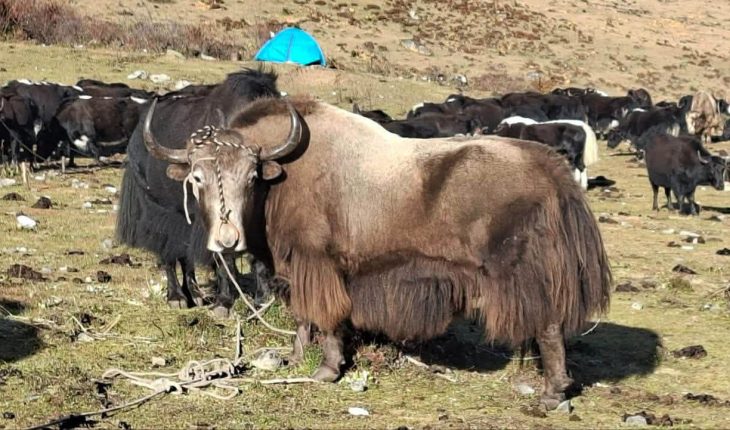
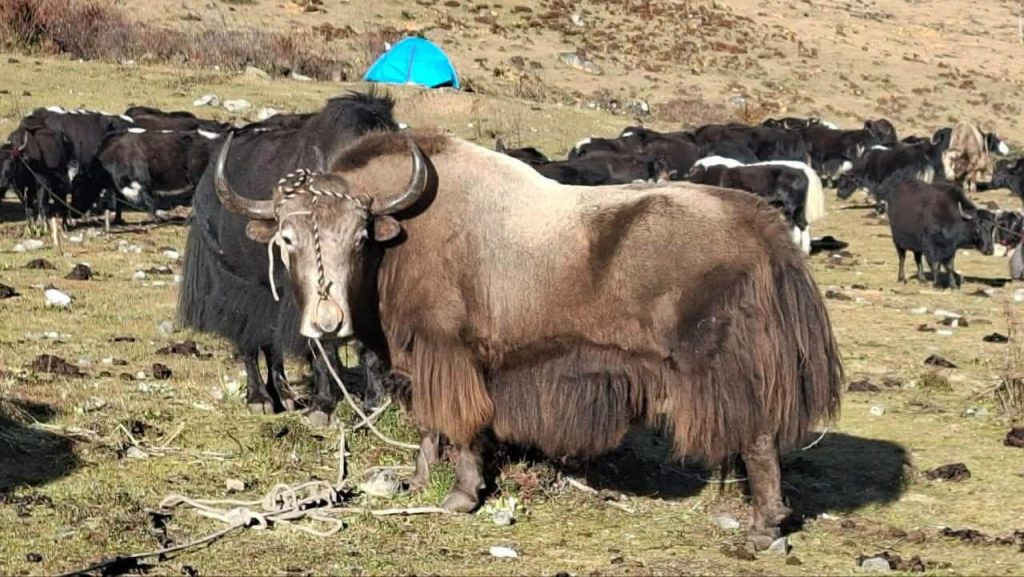
Yak herders from Bhutan, India and Nepal have established the first Himalayan Yak Herders’ Network to address declining yak populations, deteriorating rangelands and other pressures threatening traditional herding livelihoods across the region.
The network was launched on October 23 during the 9th Royal Highland Festival, bringing together three national herder organisations to strengthen cross-border cooperation and improve support for highland communities.
The network comprises the Yak Federation of India, the Bhutan Yak Federation and the Yak and Chauri Farmers Federation Nepal. It is led by yak herders, with Bhutan hosting its secretariat.
According to the International Centre for Integrated Mountain Development (ICIMOD), an intergovernmental organisation, the initiative aims to facilitate knowledge exchange, capacity building and collective advocacy among herders.
The idea first emerged in 2016, when representatives from Bhutan, India and Nepal came together through ICIMOD’s Kangchenjunga Landscape Conservation and Development Initiative. Its establishment follows nearly a decade of collaboration among herders, governments, researchers and development partners.
Regional cooperation is important because yak-herding communities across the three countries share similar environmental and socioeconomic conditions. Rangelands cover more than 60 percent of the Hindu Kush Himalaya and support an estimated 25 to 30 million Indigenous and culturally diverse people, according to the network’s organisers.
These landscapes provide essential grazing resources and sustain traditional pastoral livelihoods closely connected to the cultural identity and knowledge systems of highland communities.
However, rangeland degradation, changing land-use patterns and climate change are putting pressure on the natural resources that yak herders depend on. Declining yak populations, loss of genetic diversity and attacks on livestock by wild animals add to the difficulties faced by herding households. Limited access to markets and essential services also affects their ability to sustain their livelihoods.
The migration of younger generations in search of education and employment presents another concern, as it risks weakening the transfer of traditional knowledge and reducing the number of people continuing the practice.
According to ICIMOD, yak populations across Bhutan, India and Nepal have declined significantly in recent decades, partly because of changing land-use patterns and rangeland degradation.
In India, the 20th Livestock Census, published in 2019, recorded approximately 58,000 yaks. In 2026, the Yak Federation of India reported that 526 household members associated with the federation collectively reared approximately 32,000 yaks.
The two figures relate to different reporting periods and coverage and should not be treated as a direct measure of the decline in India’s national yak population.
Through the network, participating organisations will have a regional platform to exchange practical experiences and engage with governments, researchers and development partners on issues affecting pastoral livelihoods.
Bhutan’s role as host of the secretariat will support coordination among the three organisations and continued regional engagement