𝙏𝙝𝙚 𝘿𝙚𝙥𝙖𝙧𝙩𝙢𝙚𝙣𝙩 𝙤𝙛 𝙁𝙤𝙧𝙚𝙨𝙩𝙧𝙮 𝙖𝙣𝙙 𝙋𝙖𝙧𝙠 𝙎𝙚𝙧𝙫𝙞𝙘𝙚𝙨 𝙝𝙖𝙨 𝙘𝙤𝙡𝙡𝙖𝙧𝙚𝙙 𝙖 𝙨𝙣𝙤𝙬 𝙡𝙚𝙤𝙥𝙖𝙧𝙙 𝙛𝙤𝙧 𝙖 𝙩𝙬𝙤-𝙮𝙚𝙖𝙧 𝙂𝙋𝙎 𝙩𝙧𝙖𝙘𝙠𝙞𝙣𝙜 𝙨𝙩𝙪𝙙𝙮
KINLEY KHANDU CHODEN | Thimphu
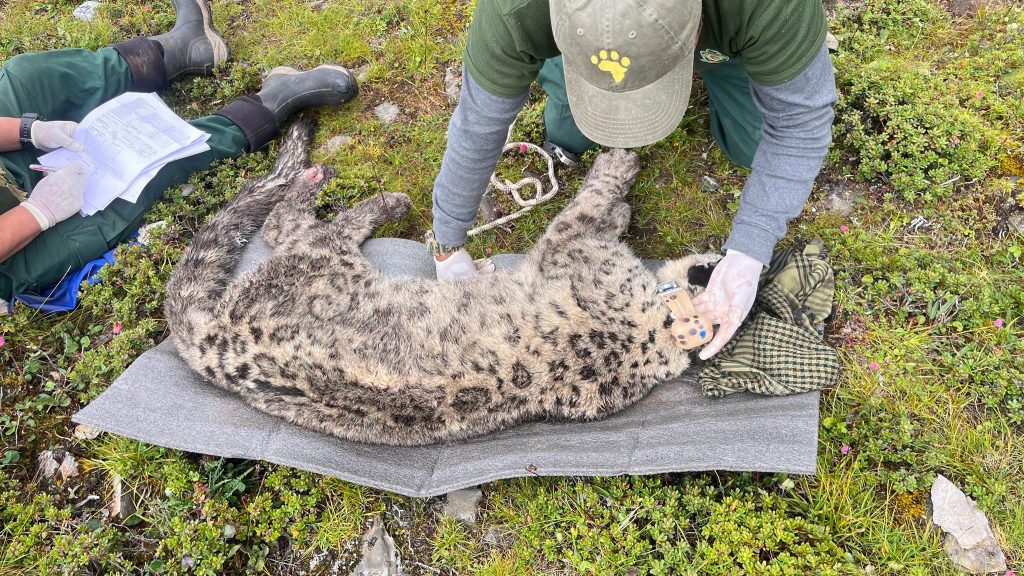
Bhutan has fitted a snow leopard with a GPS collar as part of a two-year telemetry study to understand the movement patterns, habitat use and conservation needs of the elusive high-altitude species.
The collaring, carried out in September 2026, is part of a joint initiative by the Department of Forests and Park Services (DoFPS) and WWF-Bhutan, with support from WWF-US and WWF-South Korea. The study covers Soe and Nubri under Jigme Dorji National Park (JDNP) and the Paro Forest Division.
The initiative aims to generate scientific information on how snow leopards move across Bhutan’s highland landscapes and how their habitats are connected. The findings are expected to support conservation planning and efforts to reduce human-wildlife conflict in areas where snow leopards share landscapes with livestock and highland communities.
The study plans to collar at least three snow leopards between 2026 and 2027. Each GPS collar is designed to collect movement data over two years, allowing researchers to monitor individual animals and better understand how they use their habitats.
The data is expected to help identify movement patterns and dispersal pathways, providing insights into how snow leopards navigate high-altitude landscapes. Such information can help conservation managers identify important habitats and assess connectivity between different areas used by the species.
Preparatory work for the study began earlier this year. In May and June 2026, a team from the National Centre for Development of Forests and Protected Areas (Nature Conservation Division) and WWF-Bhutan installed camera traps after receiving information from forest officials and community members about snow leopard presence in the area.
Fieldwork continued in September and October, with personnel from the National Centre for Animal Health joining the team alongside conservation officials involved in the study.
The collaring was conducted in accordance with standard operating procedures based on international best practices.
The GPS data collected over the next two years is expected to provide information on where snow leopards travel, how they use different habitats and how they move between areas. This could help conservationists identify dispersal routes and determine where maintaining habitat connectivity is important for the species.
The findings could also help improve understanding of interactions between snow leopards and livestock. In highland areas, livestock grazing and wildlife conservation can overlap, creating challenges for local communities and conservation authorities. Information on snow leopard movements could help identify areas where targeted measures may be needed to reduce conflict.
The study is also expected to contribute to conservation planning related to grazing management and wild prey protection. Understanding how snow leopards use the landscape can help conservationists assess where habitat management and prey conservation efforts may be needed.
Climate change is another consideration. Changes in habitat conditions can affect the connectivity of landscapes and the movement of wildlife. By documenting the routes used by collared snow leopards, the study could provide information to support assessments of habitat connectivity and future conservation planning in the highlands.
The initiative also highlights the importance of cooperation between conservation agencies and highland communities. Information provided by forest officials and community members helped guide the camera-trapping work, demonstrating the value of local knowledge in identifying areas where snow leopards are present.
Continued collaboration with communities will be important in understanding how wildlife uses shared landscapes and how conservation measures can take local livelihoods into account. The study may also provide opportunities to explore conservation-driven tourism, although the extent to which this could support conservation will depend on future planning.
Bhutan’s 2022–2023 National Snow Leopard Survey estimated the country’s snow leopard population at 134 individuals. JDNP has the country’s highest snow leopard density, while the highlands under the Paro Forest Division are also important to the species’ survival.
Understanding how individual snow leopards move within and between these landscapes can help conservationists identify areas that are important for the species and assess connections across its wider habitat. The information could contribute to decisions on habitat protection and wildlife management.
Globally, the snow leopard population is estimated at fewer than 8,000 individuals. The species is found across 12 countries in Central and South Asia and is classified as Vulnerable on the International Union for Conservation of Nature (IUCN) Red List.
The species’ elusive nature and the difficult terrain it inhabits make it challenging to monitor. GPS telemetry allows researchers to track individual animals over an extended period, complementing other monitoring methods such as camera trapping and field observations.
As Bhutan marks International Snow Leopard Day on October 23, the two-year telemetry study is expected to provide additional evidence to guide habitat conservation, wildlife management and efforts to reduce human-wildlife conflict in the country’s highland landscapes