DAWA ZANGMO | Thimphu
Despite millions of eggs being imported to address shortages, consumers in Bhutan continue to face high egg prices, prompting questions in the National Assembly about whether the government’s import intervention has delivered the intended results.
Radhi Sakteng Member of Parliament (MP) Tashi Tenzin raised the concern during the question-hour session on November 17, questioning why the import of approximately 7.15 million eggs through the Food Corporation of Bhutan Limited (FCBL) had not translated into lower retail prices.
The MP pointed out that FCBL had imported eggs from India at Nu 330 a tray, considerably higher than prices in the neighbouring country. He questioned whether the limited participation of importers had affected market competition and whether allowing more private businesses to import eggs could help bring down prices.
The Ministry of Agriculture and Livestock began importing eggs from India through FCBL in March this year as part of efforts to address shortages and improve the domestic supply.
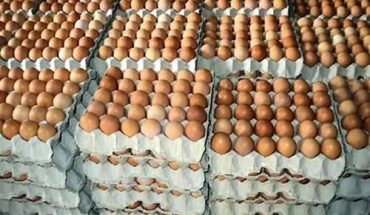
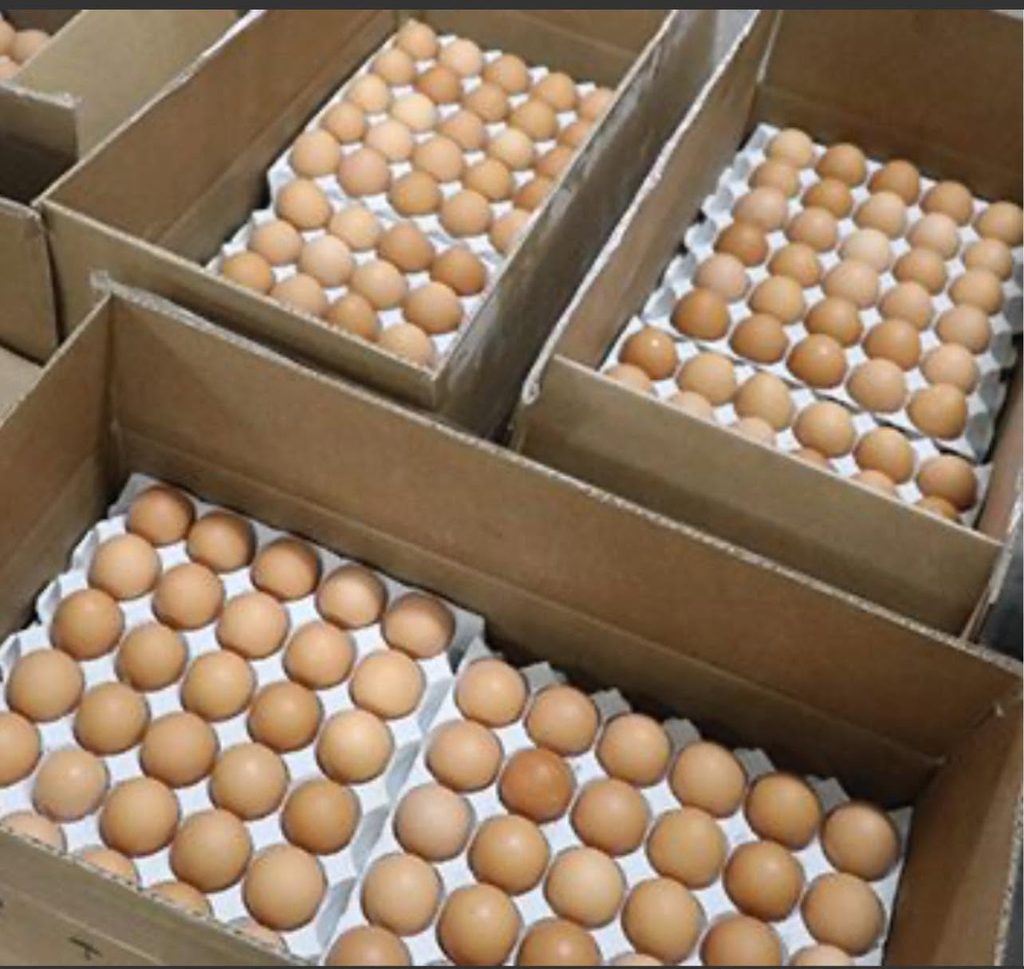
Responding to the MP’s concerns, Agriculture and Livestock Minister Younten Phuntsho said the government had initially approved four consignments, comprising 51,000 cartons of white table eggs from India. However, only 34,041 cartons, equivalent to approximately 7.15 million eggs, were eventually imported.
The imported eggs were distributed through 33 FCBL warehouses and outlets across the country to ensure availability in different locations.
Lyonpo said the first consignment recorded strong demand, with approximately 90 percent of the eggs sold within 12 days of arrival, reflecting the demand for eggs in the domestic market.
However, the government stopped importing eggs after July this year because FCBL faced difficulties in handling, storing and distributing the products.
According to the minister, spoilage during the summer months and declining consumer demand for white eggs also affected the import programme. These challenges made it difficult for FCBL to continue managing the supply and distribution of imported eggs.
As a result, 16,134 cartons approved under the fourth consignment were never imported.
On the question of allowing private businesses to import eggs, Lyonpo said the government had initially been cautious about opening imports to the private sector because of the risks associated with sourcing and importing eggs.
Bhutan currently has around 800 commercial poultry farms and approximately 1,000 smaller farm owners engaged in poultry production, he said. The minister said unrestricted imports could affect domestic producers by creating an oversupply in the market and putting downward pressure on prices. “Unrestricted private imports could cause another oversupply and push prices down,” Lyonpo said.
He explained that Bhutan had previously experienced a similar situation when increased stocking of day-old chicks resulted in excess egg production. The resulting oversupply led to a sharp decline in egg prices, causing financial losses to poultry farmers.
The government, therefore, has considered the potential impact of imports on domestic poultry producers while deciding how to manage the supply of eggs in the country.
While FCBL was initially responsible for importing and distributing eggs from India, the government has now opened imports to private businesses under a regulated and time-bound arrangement.
Lyonpo said the Ministry of Agriculture and Livestock received proposals from nine businesses interested in importing eggs. Following the submissions, the ministry issued the necessary approvals and technical clearances to facilitate private-sector participation.
Under the new arrangement, a private importer based in Gelephu brought in approximately 750 trays of eggs from India.
Of the imported quantity, the government allocated around 500 trays to Thimphu, considering the distribution requirements and the capital’s larger population. The allocation was made based on the need to distribute the available supply according to demand in different parts of the country.
The move marks a shift from the government’s earlier approach of relying primarily on FCBL to import and distribute eggs. Private businesses are now being allowed to participate, although their imports remain subject to government regulation and a time-bound arrangement.
The ministry’s approach is aimed at addressing supply requirements while managing the risks of oversupply and protecting the interests of domestic poultry farmers.
The issue of egg prices was raised amid continued concerns over the cost of essential food items, despite the government’s efforts to increase supply through imports from India.