RENUKA RAI | Thimphu
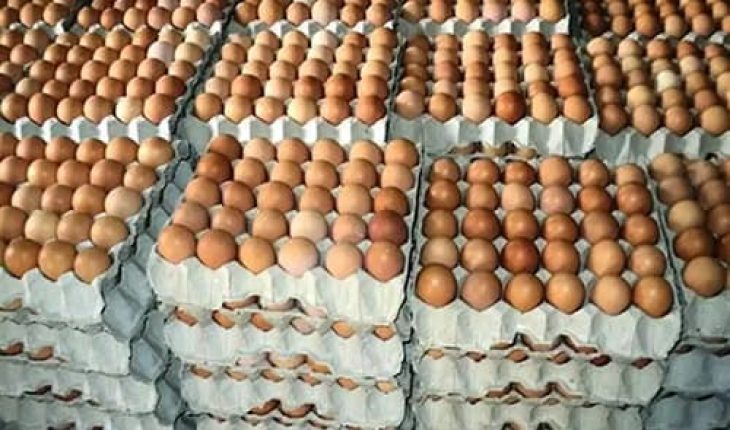
The price of local eggs in Thimphu has increased by 121 percent in two years, raising concerns over affordability, rising poultry production costs and the sustainability of domestic egg supply.
According to the Competition and Consumer Affairs Authority’s (CCAA) latest report on essential commodity price trends in Thimphu Thromde, the price of a local egg increased from Nu 8.03 in September 2024 to Nu 17.72 in September 2026.
The sharpest increase occurred between March and June 2025, when the price jumped by 71 percent in a single quarter, from Nu 10.56 to Nu 18.06. This single increase accounted for more than three-quarters of the total price rise recorded over the two years.
Since June 2025, prices have remained consistently high, fluctuating between Nu 16 and Nu 18.75 per egg. The highest price was recorded in March 2026, while the latest figure remains about 5.5 percent below that peak.
The report estimates that a tray of 30 local eggs now costs around Nu 530, compared with approximately Nu 240 two years ago, adding about Nu 290 to the cost of the same purchase.
For households that regularly depend on eggs as a source of protein, the increase has become an additional burden.
Sangay Choden from Taba a mother of three said she continues to buy eggs every day for her children despite the rising cost.
“I have three children, and I give them eggs every day because they are an important source of protein. But the prices have become very high. It is becoming difficult for families like ours, but I cannot simply stop buying them because my children need nutritious food,” she said.
Poultry farmers Deepak from Samtse say the frequent increase in poultry feed costs continues to put pressure on their businesses.
He said several types of feed are required at different stages of poultry production, including broiler starter, pre-starter, grower, finisher and layer feed.
“Feed costs keep increasing, and there are different types of feed needed at different stages of poultry production. It is becoming increasingly difficult for farmers to manage these expenses,” the farmer said.
The CCAA report also identifies higher feed costs as the main reason cited by egg producers for rising prices. However, the authority cautions that feed costs alone may not fully explain the sudden increase recorded in 2025.
According to the report, a gradual increase in production expenses would normally be expected to result in a more gradual rise in prices. The sharp jump within a single quarter, followed by several quarters of high prices, raises questions about other factors influencing the market.
The authority says it plans to conduct a study to examine the feed-cost explanation, particularly the timing of the sharp increase between March and June 2025.
Meanwhile, Kinley Dema retailers in Thimphu said they have not increased their selling prices and continue to sell eggs at the same rates.
“We are selling eggs at the same price as before. We have not increased our selling price,” the retailer said.
However, the CCAA report does not establish how much of the final retail price is attributed to production, transportation, wholesale and distribution costs.
The difference between the prices received by poultry farmers and those paid by consumers remains an important area requiring further examination.
On October 26, 2026, the Ministry of Agriculture and Livestock announced that regulated imports of eggs from India would be permitted to address shortages in the domestic market.
The decision came after the September 2026 price survey and is therefore not reflected in the CCAA findings.
The authority notes that restrictions on egg imports had limited competition from imported products, reducing the possibility of imported eggs putting downward pressure on domestic prices.
Allowing imports could increase supply and introduce greater competition. However, whether this will translate into lower retail prices remains to be seen.
The impact will depend on the volume and frequency of imports, transportation costs and the prices at which imported eggs reach consumers.
The CCAA recommends monitoring egg prices in the coming quarters to assess whether regulated imports help bring prices down and whether further market intervention is necessary.
The report also highlights the importance of regular price monitoring to identify unusual increases in essential commodities.
Since September 2024, the CCAA has collected prices quarterly from major markets through its Market Price Information service. The current analysis, however, covers Thimphu Thromde only, with prices collected from 15 to 24 shops in most quarters.
The March 2025 survey was based on only six to seven shops, meaning comparisons involving that quarter should be interpreted with caution.
The authority has suggested establishing a threshold for sharp quarterly price increases that would trigger a review of supply and pricing in the affected market. A 10 percent threshold, for example, would have triggered reviews following the two significant increases in egg prices recorded during the period.
The report concludes that low-income households are likely to be affected most by rising essential commodity prices because they spend a larger share of their income on food and have less room to absorb additional expenses.
For consumers, the immediate concern remains whether eggs will become more affordable. For poultry farmers, rising production costs continue to be a challenge, while retailers say they have maintained their selling prices.