RENUKA RAI | Thimphu
Bhutan and India are exploring new opportunities in the services sector, with infrastructure, professional services, digital services and cross-border connectivity emerging as potential areas for stronger business cooperation.
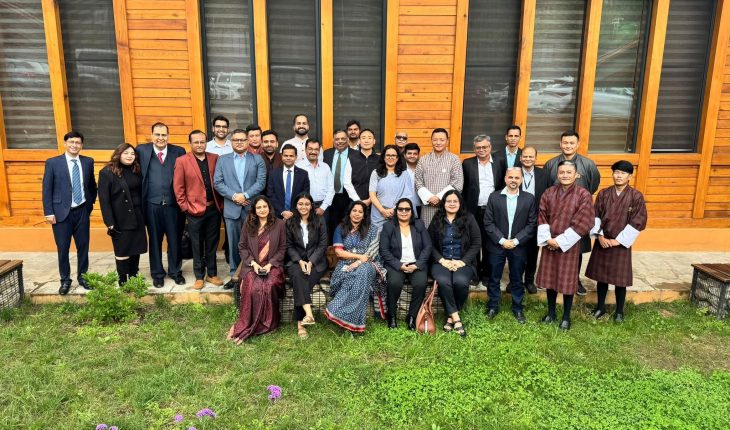
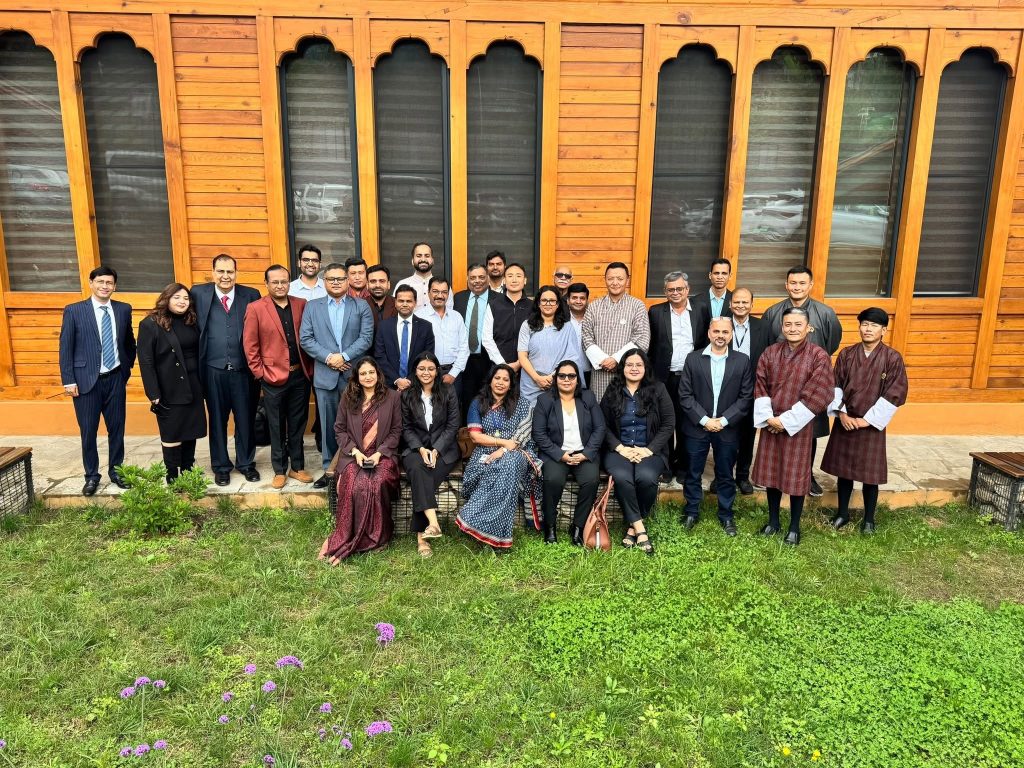
The discussions took place during Business Connect 2026, held in Thimphu from 15 to 17 September, bringing together Indian service-sector representatives and Bhutanese business owners and stakeholders to explore partnerships, business opportunities and potential areas of collaboration.
Speaking at the event, Somiya Gupta, Director of the Services Export Promotion Council (SEPC), said India’s services exports have doubled over the past decade, reflecting the growing importance of the sector to the Indian economy.
“India today is the seventh largest services exporter globally, and a large part of our services exports are digitally driven,” she said.
Gupta said India is targeting USD 1 trillion in services exports by 2030, as the government places greater emphasis on services as a driver of economic growth.
Information technology and IT-enabled services, along with telecommunications, account for about 49 percent of India’s services export basket, she said. Other areas include engineering, legal and consultancy services, travel, transport, financial services, healthcare, education and creative industries.
She said the geographical proximity between India and Bhutan creates opportunities particularly through cross-border supply of services and movement of professionals.
“Modes one and four are particularly relevant for India and Bhutan because of our geographical proximity,” Gupta said, referring to cross-border supply of services and the movement of professionals.
She said SEPC could help connect businesses from both countries by identifying opportunities and matching companies with potential partners.
“We can act as a funnel to channel the profiles and opportunities from Indian industry to Bhutanese stakeholders and similarly Bhutanese opportunities to Indian stakeholders for perfect matchmaking,” she said.
Gupta said SEPC supports businesses through trade intelligence, export development, export promotion and business enablement activities, including buyer-seller meetings, trade fairs, business-to-business meetings and trade delegations.
She said the Indian delegation at Business Connect 2026 included representatives from consultancy, engineering, legal services, healthcare and risk management, among other sectors.
For Bhutan, the engagement comes at a time when the country is preparing for major infrastructure and connectivity projects that could create demand for specialised technical and professional services.
Lyonpo Chandra Bahadur Gurung, from the Ministry of Infrastructure and Transport, highlighted the planned Kokrajhar-Gelephu and Banarhat-Samtse railway links, which will be Bhutan’s first cross-border railway connections.
“Bhutan has never had a railway, and these first two cross-border railway links will be historic milestones for the country,” he said.
Preparatory activities for both railway links are progressing, with the ministry coordinating with its Indian counterparts, he said.
The railway connections are expected to improve the efficiency, cost-effectiveness and predictability of goods movement, particularly bulk cargo, while connecting Bhutan to India’s wider railway network and markets.
The minister said the potential for cooperation extends beyond the construction of physical infrastructure. He pointed to railway services, water management, construction, engineering and technical services, project management, contract administration, dispute avoidance and resolution, arbitration, environmental and social safeguards, occupational health and safety, and risk governance.
“India has extensive knowledge and experience in each of these areas. Bhutan has much to learn from this expertise and use it to work towards meaningful engagement,” he said.
He said Bhutan welcomes arrangements that allow expertise to be shared, institutional capacity to be strengthened and lasting professional relationships to be established.
Having Indian and international firms work alongside Bhutanese counterparts, he said, could help ensure that knowledge and capabilities remain in Bhutan even after projects are completed.
The ministry’s wider connectivity priorities, including highways, international air connectivity, railway connections and the development of the Gelephu Mindfulness City, are expected to create further opportunities for professional and technical services.
At the event, Indian Ambassador Sandeep Arya, said services would remain an important driver of India’s economy and global exports, while creating opportunities for greater economic engagement between the two countries.
He said India’s total services exports stood at around USD 421 billion last year, while Bhutan’s services imports were around USD 325 million and exports around USD 125 million, citing international trade data.
According to Ambassador, Bhutan’s services trade has also recorded growth, with services exports and imports growing by about 15 and 16 percent respectively over the past two years.
He said new economic developments, including opportunities emerging from the Gelephu Mindfulness City, could further expand areas for cooperation between Indian and Bhutanese businesses.
He encouraged Indian businesses to explore opportunities in Bhutan and said the Embassy of India could help connect businesses with relevant opportunities and potential partners.
The presence of Bhutanese business owners at Business Connect 2026 also provided an opportunity for local companies to engage directly with Indian service providers and explore potential partnerships.
For Bhutanese businesses, the engagement offered exposure to Indian companies operating across a range of specialised services, while Indian participants had an opportunity to understand Bhutan’s emerging business and infrastructure needs.
The three-day engagement comes as Bhutan and India seek to broaden economic cooperation beyond traditional areas and create stronger links in professional, technical and knowledge-based services.
The discussions also highlighted the potential for cooperation to extend beyond individual projects, with both sides emphasising knowledge transfer, professional capacity building and long-term business relationships.