Third-child cash incentive delayed as govt. reviews demographic challenges and develop long-term population strategy
KINLEY KHANDU CHODEN | Thimphu
Bhutan is confronting a growing demographic challenge as declining birth rates and increasing outward migration reshape the country’s population structure.
While the government has proposed a cash incentive to encourage families to have a third child, officials say the policy will not be implemented immediately, as a broader and more comprehensive approach to the country’s population concerns is currently being developed.
The government acknowledged that Bhutan is undergoing a demographic transition characterised by a declining fertility rate and a steadily growing elderly population.
The Total Fertility Rate (TFR), which measures the average number of children a woman is expected to have during her lifetime, has fallen below the replacement level required to maintain population stability.
At the same time, the proportion of citizens aged 65 and above is gradually increasing.
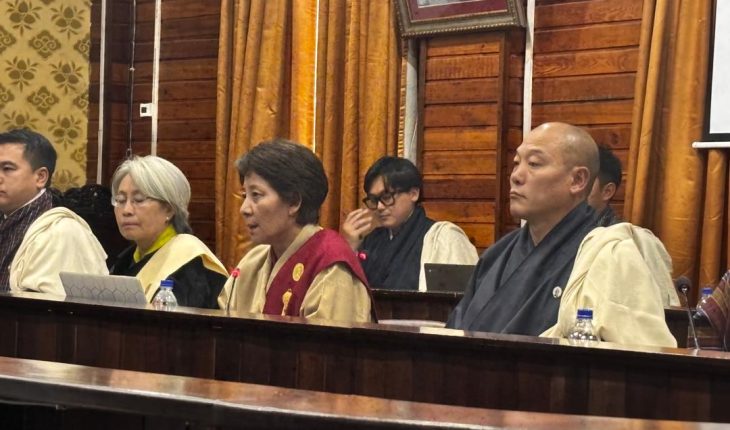
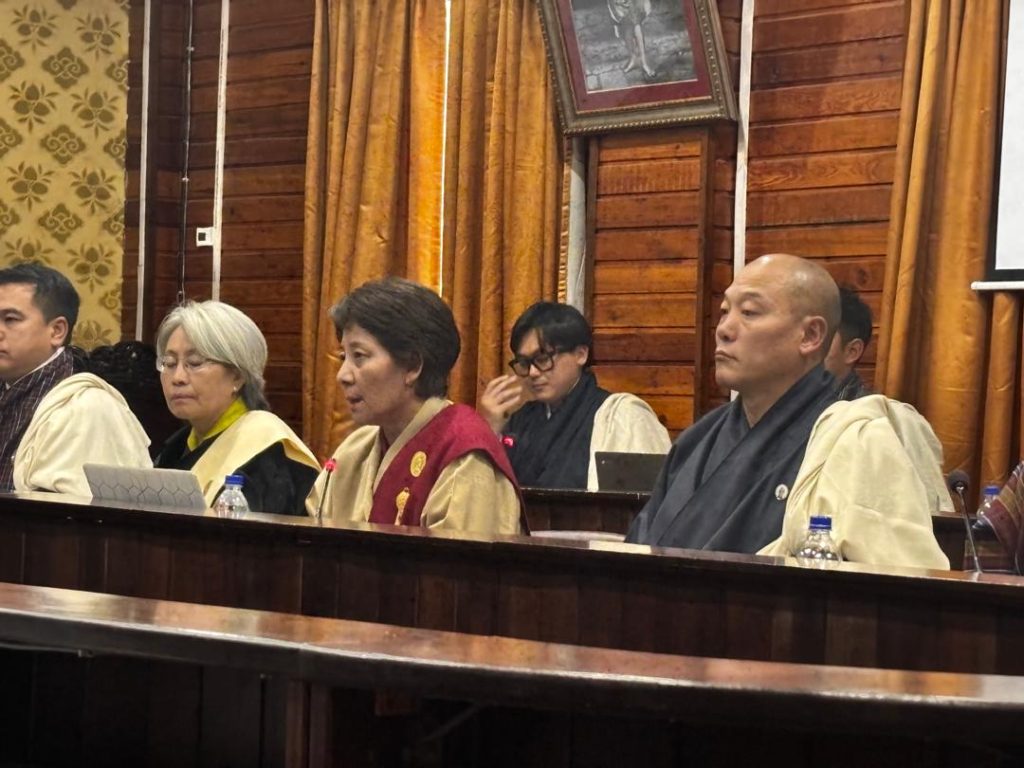
During the meet the press session, cabinet Secretary Kesang Deki said that this demographic shift carries long-term implications for Bhutan’s labour force, economic productivity, and fiscal sustainability.
She said a shrinking working-age population could place pressure on the country’s social protection systems and slow economic growth if not addressed through timely policy interventions.
In response to these concerns, the government had proposed the Third Child Incentive Programme (TCIP), which would provide financial support to families willing to have three or more children.
The programme includes a Nu 10,000 cash incentive aimed at helping families manage the financial burden associated with raising additional children.
The proposal was aimed to support families who plan to expand their households but have financial constraints that keep them from doing so.
Rising living costs, housing challenges, and childcare expenses have been cited as factors discouraging larger families in Bhutan.
During its 77th Session of the Lhengye Zhungtshog, the matter was reviewed and acknowledged that demographic change is a complex issue that cannot be addressed through a single policy intervention.
As a result, the Cabinet directed that a comprehensive demographic study be conducted before any major measures are implemented.
The study will analyse a range of demographic factors including fertility trends, marriage patterns, migration dynamics, and overseas births among Bhutanese citizens.
The Cabinet secretary said “these elements are crucial in understanding the deeper causes behind Bhutan’s changing population patterns.”
Over the past decade, Bhutan has witnessed a noticeable increase in youth migration, with many young Bhutanese seeking education and employment opportunities abroad.
This trend, combined with delayed marriages and shifting lifestyle aspirations, has contributed to the declining birth rate.
Many young people are also reconsidering family size due to economic uncertainty and changing social priorities. Some couples are choosing to delay having children, while others are opting to have fewer children than previous generations.
These evolving attitudes toward family and parenthood have raised questions about whether financial incentives alone can reverse Bhutan’s declining fertility rate.
Government officials acknowledge that encouraging childbirth requires more than short-term financial support. They emphasise the need for a holistic and sustainable population policy that addresses broader social and economic concerns affecting young families.
To this end, the government is currently developing a Sustainable Population Strategy, which is expected to be finalised within the current financial year.
According to Cabinet Secretary, the strategy will integrate multiple policy areas aimed at creating an environment where young Bhutanese feel more secure about building families in the country.
Key components of the strategy include employment generation initiatives to improve job opportunities for young people, as well as measures to retain Bhutanese talent within the country.
Youth retention has become a critical concern, as increasing numbers of Bhutanese are leaving for opportunities abroad.
The strategy will also incorporate gender-responsive policies designed to support working parents and promote a more balanced sharing of family responsibilities.
These policies may include workplace flexibility, maternity and paternity benefits, and improved childcare support systems.
Childcare infrastructure and services are also expected to play a significant role in the government’s approach.
Officials say that making childcare more accessible and affordable can reduce the burden on parents and make it easier for families to consider having more children.
Social protection reforms are another important component of the strategy. These reforms aim to strengthen financial security for families, particularly in areas such as healthcare, education, and retirement support.
Human capital development will also be central to the government’s long-term demographic planning.
By investing in education, skills development, and economic opportunities, policymakers hope to ensure that Bhutan’s workforce remains productive and resilient even as population dynamics evolve.
The Cabinet secretary emphasise that any policy measures related to population growth must respect individual choices and personal circumstances.
The government also recognises that decisions about marriage and childbearing are deeply personal and influenced by a wide range of social and economic factors.
As such, the government’s approach is intended to be deliberate and evidence-based. Rather than implementing quick fixes, policymakers say they are prioritising long-term sustainability and fiscal responsibility.
The upcoming demographic study is expected to provide valuable insights that will guide future policies and ensure that interventions are tailored to Bhutan’s unique demographic realities.
For Bhutan, experts opine, addressing demographic change will require balancing population concerns with broader development goals, including economic growth, social wellbeing, and national resilience.
Government officials also say their ultimate objective is to safeguard Bhutan’s socio-economic stability while maintaining an intergenerational balance that ensures opportunities and security for both present and future generations.