DAWA ZANGMO | Thimphu
The PEMA Secretariat has expanded mental health and protection services across the country, with its work now covering prevention, early intervention, specialised treatment, rehabilitation and reintegration.
Since 2022, The PEMA has managed 2,804 protection cases, received 2,065 calls through the PEMA Helpline 1098 and provided psychosocial support to 4,714 individuals.
Its services are being delivered through schools, communities, hospitals and correctional facilities, with a focus on prevention and early intervention alongside crisis response.
The secretariat has introduced maternal mental health screening through Mother and Child Health services in all 20 dzongkhags. The initiative aims to identify mental health concerns during pregnancy and early childhood and facilitate timely support.
More than 500 teachers have been trained in wellbeing strategies in collaboration with the Ministry of Education and Skills Development. The training focuses on promoting mental health awareness, identifying early signs of concerns among students and strengthening support within schools.
The PEMA has also partnered with the Dratshang Lhentshog to introduce community-based mental health promotion programmes in 10 dzongkhags. The programme is expected to be expanded to other dzongkhags.
For adolescents, The PEMA has developed a web-based Health and Wellbeing Screening System for students from Classes X to XII. The system identifies concerns such as depression, anxiety, substance use, adverse childhood experiences and suicidal behaviours, allowing students to be referred for appropriate support.
The PEMA Helpline 1098, launched in October 2022, has received 2,065 calls so far from till last month.
Mental health concerns accounted for the largest share of calls at 26.2 percent, followed by gender-based violence at 11.6 percent and marital issues at 10 percent. Women accounted for 67.5 percent of callers, while children made up 5.3 percent.
More than 80 percent of callers were connected with counselling, protection services or other necessary support.
Chief Counsellor of The PEMA Secretariat, Kezang Dukpa, said the number of mental health-related calls reflects difficulties associated with family and relationship conflicts, academic and workplace stress, financial problems, substance abuse and social isolation.
At the same time, he said the calls indicate that more people are becoming aware of available support services and are increasingly willing to seek help.
According to him, The PEMA’s multi-agency response system enables timely coordination with the Royal Bhutan Police, health facilities, local governments, schools and other agencies. This allows people to receive protection, medical care, psychosocial support and follow-up services.
He encouraged people experiencing emotional distress to seek support early and urged families and communities to listen without judgement, reduce stigma and support those facing difficulties before their situations worsen.
Between June 2023 and June 2026, The PEMA managed 2,804 protection cases across all 20 dzongkhags.
Children in conflict with the law accounted for 23 percent of the cases, followed by violence against children at 20 percent and gender-based violence at 12.6 percent.
The Secretariat reported that 99.2 percent of severe protection cases received a response within five hours, against the required standard of assisting within 24 hours.
The PEMA Home, established as a safe shelter for children affected by violence, neglect, abandonment and other vulnerabilities, has supported 40 residents. Of these, 37 children have returned to their families or communities through reintegration support.
The establishment of specialised facilities has strengthened Bhutan’s capacity to provide mental health and substance use disorder services.
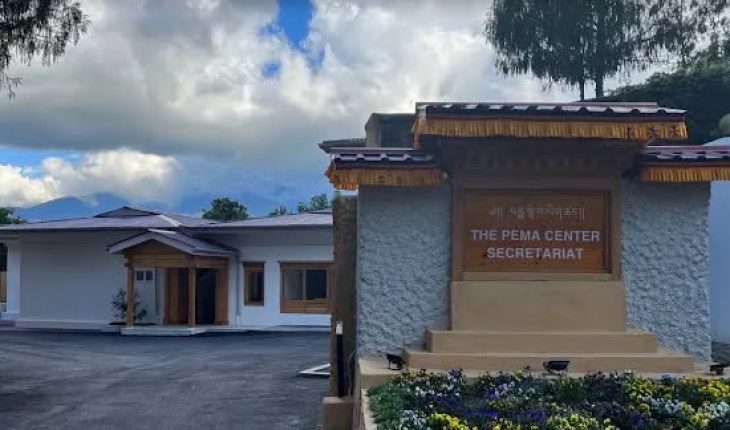
The 99 bedded PEMA Centre in Thimphu, constructed at a cost of Nu 327 million, serves as the national referral facility for specialised mental health and substance use disorder treatment.
The centre provides child and adolescent mental health services, addiction management, counselling and treatment for acute and chronic conditions.
PEMA Rehab, also known as Mitshay Yarab Lamzang, has provided residential rehabilitation services to 474 people recovering from substance use disorders. Of these, 386 have completed their treatment programmes.
Substance use disorder treatment has also been extended to correctional facilities. More than 707 inmates at Chamgang Central Prison and Lungzarg District Prison have received treatment through the programme.
The PEMA’s services also include rehabilitation and reintegration programmes aimed at helping vulnerable individuals return to their families, communities and livelihoods.
The Bhutan Reintegration and Value Enhancement Programme supports people recovering from substance use disorders, former prisoners, women and youth through care, skills development, entrepreneurship and livelihood opportunities.
Through the FEB Forward initiative, PEMA Rehab has provided skills training to 152 clients in traditional arts, music, digital literacy and vocational skills. Former rehabilitation clients have also received additional training opportunities through De-Suung programmes.
The Secretariat has trained more than 1,500 education professionals, including principals, school counsellors, education officers and wellbeing focal teachers, in basic mental health care, child protection and substance use prevention.
The PEMA has provided postvention support to more than 200 families affected by suicide over the past two and a half years.
Between 2023 and 2025, Bhutan recorded 303 suicide deaths. Factors associated with suicide cases included mental health challenges, alcohol use and family-related difficulties.
The national suicide rate declined from 14.6 per 100,000 population in 2022 to 12.4 per 100,000 population in 2026. The rate, however, remains above the Sustainable Development Goal target of below 9.8 per 100,000 population by 2030.
The PEMA Secretariat continues to strengthen mental health and protection services through prevention, early intervention, specialised treatment, rehabilitation, reintegration and community-based support.