
DAWA ZANGMO | Wandguephodrang
Households in Gangtey Gewog, Wangduephodrang, are being encouraged to shift from firewood to electric cooking through a pilot clean cooking initiative.
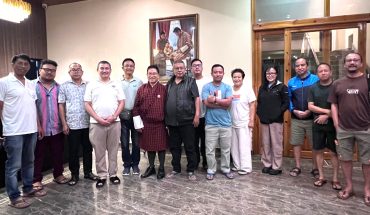
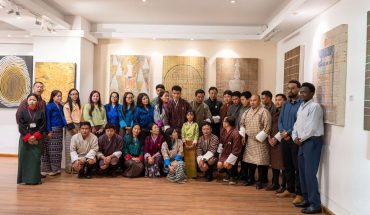
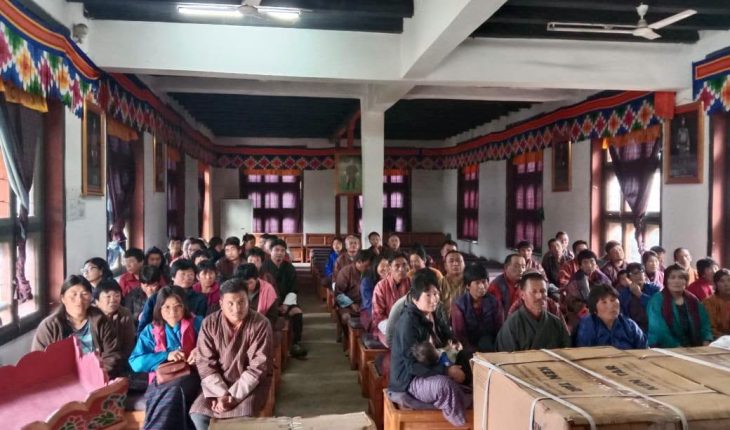
The Horticulture Association of Bhutan (HAoB), in collaboration with Planethos Private Limited, India, distributed clean electric cooking stoves to selected households in Gangtey on September 8.
The initiative aims to promote cleaner and more efficient cooking technologies and provide practical insights into how households adopt and use electric cooking solutions.
Gangtey Gup Kinley Gyeltshen said the electric stoves would be particularly useful for households that depend heavily on firewood for cooking and heating.
“The electric stove has been very helpful for the households that received it. It is convenient and allows food to be cooked quickly, reducing the time spent on cooking,” he said.
He said households in higher-altitude communities depend on firewood, particularly during winter when temperatures drop. “Because our community is located at a higher elevation, it becomes particularly cold during winter. We largely depend on firewood, and some households collect about one truckload from the forest to meet their cooking and heating needs,” he said.
According to the Gup, reducing dependence on firewood could also reduce the time and effort households spend collecting it. He said smoke from burning firewood for cooking also affects household health and contributes to air pollution.
“Using firewood for cooking produces smoke that can harm health and contributes to air pollution. Providing clean electric cooking stoves, along with other electrical appliances such as heaters, could help reduce such activities,” he said.
The subsidised price of the electric stoves has also made them accessible to households that may otherwise find the cost difficult to meet. The Gup said stoves valued at around Nu 3,500 to Nu 4,000 were being provided to selected households for Nu 600.
“With the support of this project, the stove has become very valuable to the households. I would like to thank HAoB and Planethos Private Limited for providing stoves worth around Nu 3,500 to Nu 4,000 at a price of Nu 600,” he said.
He said the support was particularly important for lower-income households, which spend considerable time collecting firewood and also incur expenses for traditional cooking equipment.
“For poorer households, collecting firewood requires walking long distances and takes a lot of time. They also have to spend more than Nu 3,000 to buy a traditional cooking stove or bukhari, which results in additional expenses,” he said.
He said the availability of electricity in Bhutan could support greater use of electric appliances among households. “Since electricity is widely available in the country, providing such appliances can create greater awareness among communities about protecting the environment and reducing deforestation,” he said.
Penjor, Tshogpa of Yaekorwog Chiwog of Gangtey Gewog said that households were interested in receiving the stoves, with some already using them.
“The households were happy and interested to receive the clean electric cooking stoves. Some have already started using them and find them convenient and easier for certain cooking needs compared with firewood,” he said.
However, he said households were still becoming familiar with the new cooking method and that reliable electricity supply would be important.
“They are still getting used to the new cooking method. Reliable electricity supply is important, and proper guidance on how to use and maintain the stoves would help households use them more effectively,” he said.
Sonam Dema from Gogona Chiwog said she had started using the stove and found it convenient.
“I am happy to receive the electric cooking stove. I have started using it and find it convenient, especially because it reduces the need to use firewood,” she said. She said she was still learning how to use the stove properly but found it useful for household cooking.
Another recipient, Karma from Yaekorwog Chiwog, said the stove reduced the time and effort involved in collecting and preparing firewood.
“I was interested to try the electric stove when I received it. It is easier to use for some types of cooking and saves the time and effort involved in collecting and preparing firewood,” he said.
He said households would need time to become familiar with the appliance and learn how to use it correctly. “The main thing is getting familiar with the stove and using it correctly,” he said.
The pilot initiative is expected to provide practical information on household use and adoption of electric cooking solutions as HAoB and Planethos promote cleaner cooking alternatives in communities that continue to rely on firewood.