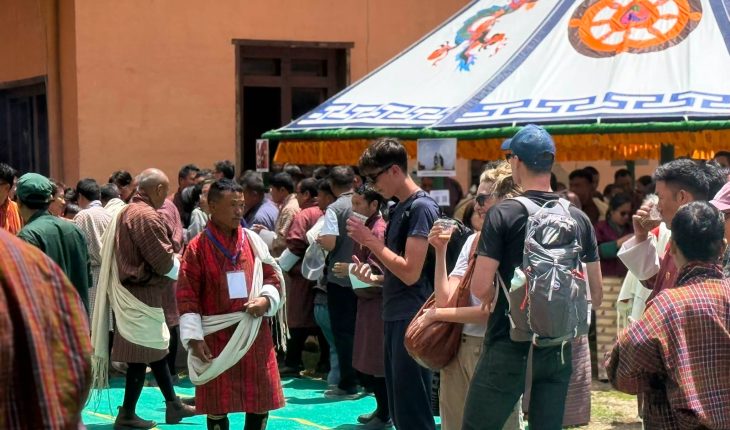
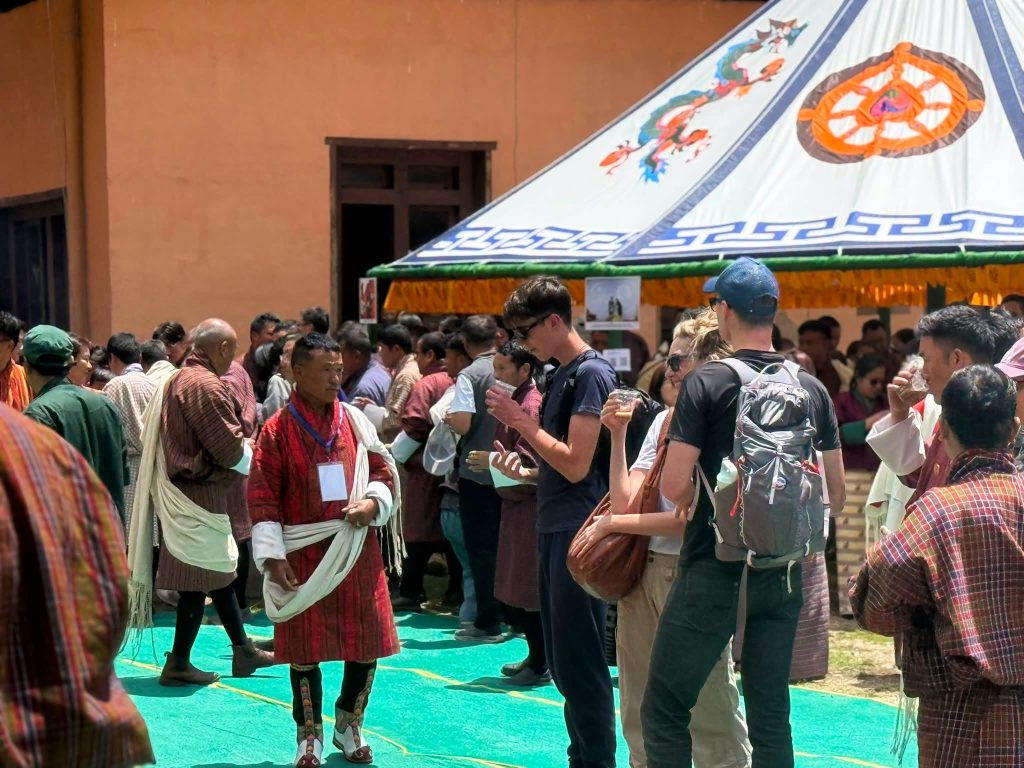
—many communities in central, eastern and southern Bhutan continue to receive a much smaller share of tourist traffic
RENUKA RAI | Thimphu
Bhutan’s tourism industry is experiencing one of its strongest periods since the country reopened to international visitors, but the next challenge may not be attracting more tourists. It may be convincing them to travel beyond the country’s most familiar destinations.
Bhutan recorded 149,141 tourist arrivals in the first six months of 2026, an increase of more than 48 percent compared with the 100,727 visitors recorded during the same period last year.
June alone saw 25,195 arrivals, an 84 percent increase from the 13,671 visitors recorded in June 2025.
The rapid growth has brought renewed confidence to the tourism industry. Hotels, tour operators, restaurants, transport providers, guides and other businesses are seeing the return of international demand.
But the growth also raises a question that could become increasingly important for Bhutan’s tourism policy: where are these tourists going, and who is benefiting from their spending?
For years, Bhutan’s tourism circuit has been concentrated largely in the western region, particularly around destinations such as Paro, Thimphu and Punakha. These areas have established tourism infrastructure, well-known attractions and relatively easy access for visitors.
Meanwhile, many communities in central, eastern and southern Bhutan continue to receive a much smaller share of tourist traffic.
TheDepatment of Tourm i now trying to change that pattern.
Its strategy includes increasing tourism activity in lesser-visited areas by 15 percent and encouraging multi-destination itineraries connecting western, central, eastern and southern Bhutan.
The objective is not simply to move tourists from one place to another. A more geographically balanced tourism industry could create new sources of income for communities that have traditionally had fewer opportunities to benefit directly from international tourism.
For rural households, tourism can generate income through homestay, local food, handicrafts, transportation, guiding and cultural experiences.
A visitor who spends an additional few days in a rural community could therefore contribute to several local businesses rather than spending most of the trip in established tourism centres.
This becomes particularly important as Bhutan’s tourism numbers continue to rise.
In 2022, Bhutan received just over 20,000 tourists. By 2025, annual arrivals had crossed 209,000. The country is now targeting 300,000 annual visitors.
If those numbers are reached without expanding the tourism map, the benefits of growth could remain concentrated in places that already have the strongest tourism infrastructure.
The Department’s push for longer stays is therefore closely linked to its efforts to diversify destinations.
In June, visitors from countries other than India stayed an average of five days, while Indian tourists stayed an average of four days.
The additional day may seem insignificant for an individual traveller, but at the national level, longer stays can mean more spending on accommodation, food, transportation, guides, attractions and local experiences.
The challenge is to give visitors enough reasons to stay longer.
Bhutan is promoting wellness and mindfulness tourism, trekking, adventure activities, cultural experiences and community-based tourism. These products could potentially take visitors beyond the traditional western circuit and encourage them to explore less-visited parts of the country.
However, developing tourism in these areas will require more than simply identifying new attractions.
Accessibility reains crucial. Tourists are unlikely to travel to remote destinations if roads, accommodation, internet connectivity, public amenities and transport services are inadequate.
Local communities will also need the skills and resources to participate in the tourism economy.
This means tourism growth could create demand for investment not only in hotels and resorts but also in local infrastructure and human resources.
The issue is particularly relevant for Bhutan because its tourism model has traditionally emphasised quality over quantity.
The country continues to promote its High Value, Low Volume approach. That means increasing visitor numbers should not come at the expense of environmental protection, cultural preservation or the quality of the visitor experience.
A more geographically distributed tourism model could help address some of these concerns.
Instead of concentrating thousands of visitors in a few popular locations, spreading tourism across the country could reduce pressure on heavily visited sites while allowing more communities to benefit.
It could also encourage tourists to see a different side of Bhutan.
Eastern and southern Bhutan, for example, offer landscapes, cultures and experiences that are different from those most commonly associated with the western tourist circuit.
But turning these regions into successful tourism destinations will require local ownership.
Toursm development cannot simply mean building facilities and waiting for visitors to arrive. Communities need to be involved in designing and delivering tourism products so that the economic benefits remain within the local economy.
This is where the government’s emphasis on community-based tourism becomes important.
If properly developed, community tourism can allow residents to become hosts, guides, producers and entrepreneurs rather than remaining passive observers of the industry.
The changing tourism market also provides an opportunity to diversify the types of visitors Bhutan attracts.
India remains the largest source market. In June, Indian tourists accounted for 17,814 of the 25,195 arrivals, or around 71 percent of the total.
The Department is therefore increasing promotional efforts in markets including Germany, the United Kingdom, Australia, China, Singapore and Thailand, while exploring emerging markets such as Italy, Vietnam, Malaysia, Indonesia, Russia and Ukraine.
A wider range of international markets could create demand for different tourism products and destinations.
But diversification will take time.
The immediate priority for the industry is likely to be managing the rapid increase in visitors while ensuring that businesses and communities are prepared.
The seasonal nature of tourism also remains a challenge. May recorded 47,343 arrivals, while June recorded 25,195. Encouraging year-round tourism could provide more stable income for tourism businesses and workers.
The Department is promoting summer and winter experiences, events and targeted campaigns to reduce the concentration of visitors during peak periods.
Ultimately, Bhutan’s tourism success may not be measured by whether it reaches 300,000 visitors.
A more meaningful measure could be whether those visitors travel further, stay longer and spend more of their money with local communities.
The current tourism boom gives Bhutan an opportunity to reshape the industry before growth becomes concentrated in the same destinations and businesses.
The question now is not simply how many tourists Bhutan can attract.
It is whether the next million tourist nights can reach more corners of the country.
If Bhutan can take tourism beyond its traditional western circuit, the current boom could become more than a recovery story. It could become an opportunity to build a tourism economy that is more geographically balanced, locally owned and beneficial to communities across the country.