TASHI DEKI | Thimphu
The Ministry of Agriculture & Livestock (MoAL) launched the third phase of the Nationwide Accelerated Dog Population Management and Rabies Control Programme on September 5, 2026, as Bhutan moves to consolidate its progress in controlling dog-mediated rabies and managing the country’s dog population.
The launch marks another step in Bhutan’s efforts to sustain the gains made in dog population management and rabies control. The programme is being implemented with a focus on protecting public health, promoting animal welfare and ensuring the humane and sustainable management of the country’s dog population.
Bhutan’s efforts to control and eliminate dog-mediated rabies have continued for several decades. According to the ministry, the country’s approach has gradually evolved from conventional dog control measures to a more comprehensive, humane and evidence-based system.
The current approach places emphasis on several key areas, including dog population management, mass anti-rabies vaccination, disease surveillance and responsible pet ownership. These measures are intended to address both the management of the dog population and the prevention of rabies transmission.
The launch comes at an important point in Bhutan’s rabies-control efforts, following the country’s formal validation by the World Health Organization (WHO) for achieving the elimination of dog-mediated human rabies as a public health problem.
The achievement reflects years of efforts involving livestock officials, De-suups, health officials, local governments, communities, development partners and other stakeholders. The government said the progress has been made through collective action and cooperation among different sectors.
The third phase of the programme builds on the achievements and lessons learned from similar programs. The earlier phases were implemented by the Department of Livestock in close partnership with De-suung and in collaboration with relevant stakeholders through a whole-of-nation approach.
Rather than introducing an entirely new system, the third phase will focus on consolidating and sustaining the gains achieved during the previous phases. A major objective will be to prevent the re-establishment of dog-mediated rabies in Bhutan.
One of the key areas of focus under this programme will be sustainable dog population management. The programme will place greater emphasis on ensuring that interventions are maintained over time so that progress made in controlling the dog population is not reversed.
The programme will also promote responsible pet ownership. This is considered an important component of sustainable dog population management because responsible ownership can contribute to better control of the dog population and reduce risks associated with unowned and free-roaming dogs.
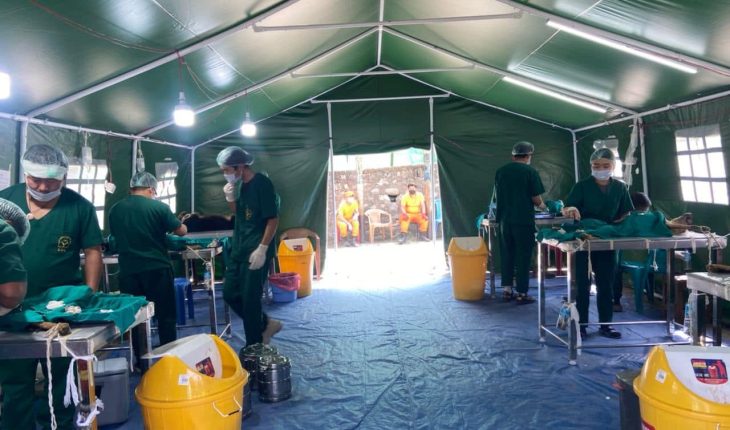
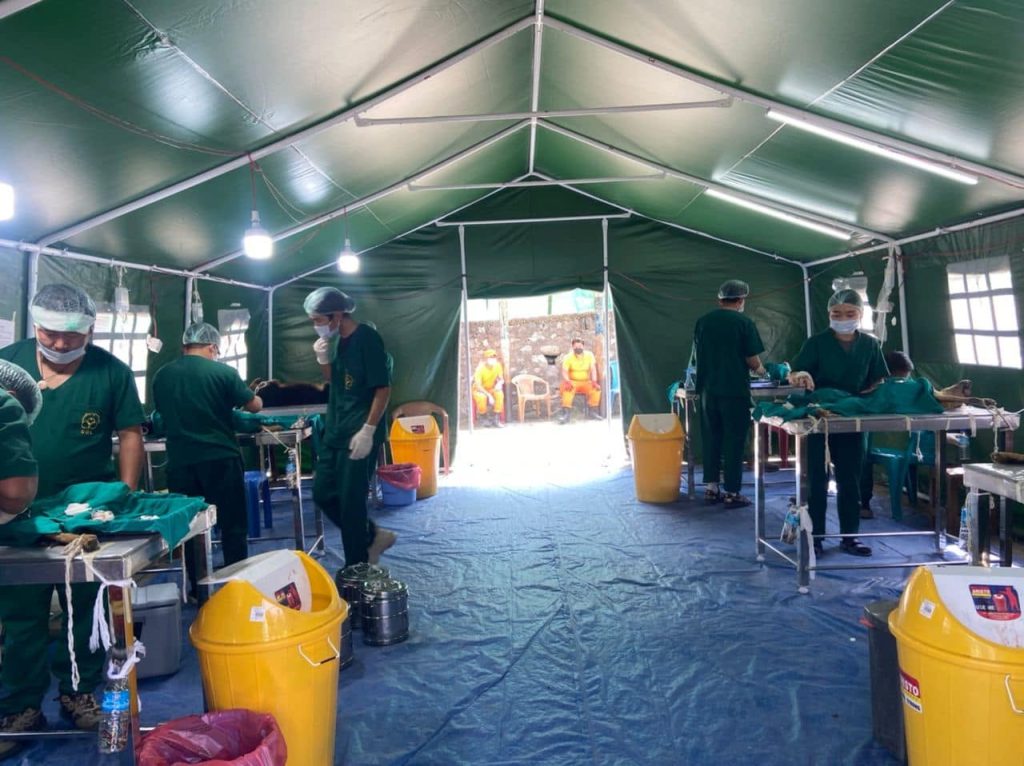
Another major focus will be maintaining 100 percent sterilisation coverage of the free-roaming dog population. Sterilisation is expected to remain an important measure in managing the population of free-roaming dogs and sustaining the progress achieved through previous interventions.
This program also seeks to sustain high anti-rabies vaccination coverage. Continued vaccination is central to preventing the spread of rabies and protecting both human and animal populations. The programme will therefore continue to place importance on maintaining vaccination coverage alongside other dog population management measures.
Strengthening surveillance and early response will be another priority during the third phase. Effective surveillance can help authorities identify potential risks and respond at an early stage. This will be particularly important in sustaining Bhutan’s rabies-free status and preventing the re-establishment of dog-mediated rabies.
The programme will also seek to strengthen the ownership of programme activities by local governments and communities. This reflects the government’s emphasis on continued participation beyond central agencies and technical institutions.
Local governments and communities are expected to play an important role in sustaining dog population management and responsible pet ownership at the local level. The involvement of different stakeholders is also intended to ensure that programme activities remain effective and sustainable.
In addition to controlling dog populations and rabies, this program will assess the impacts of interventions carried out during the previous phases. The assessment will examine impacts on animal populations, ecological systems and communities.
The information generated through these assessments will provide evidence for future planning. It is also expected to help strengthen the effectiveness and sustainability of dog population management interventions.
The government’s decision to continue with the programme comes as Bhutan seeks to protect the public health achievement recognised through the WHO validation. While the country has reached an important milestone in eliminating dog-mediated human rabies as a public health problem, sustaining that achievement will require continued attention to dog population management, vaccination, surveillance and responsible ownership.
The ministry said the third phase reaffirms Bhutan’s commitment to protecting and sustaining its rabies-free status. The programme also reflects the government’s continued focus on animal welfare and humane approaches to managing the country’s dog population.
The programme will rely on cooperation among livestock and health officials, De-suung, Local Governments, communities and other relevant agencies. The whole-of-nation approach used in the earlier phases will continue as the country works to maintain the gains already achieved.
The launch also highlights the importance of preventing complacency following Bhutan’s achievement in rabies control. Maintaining the country’s status will require continued implementation of measures that reduce the risk of rabies returning, particularly through effective management of the free-roaming dog population and sustained vaccination and surveillance.
With this program, Bhutan is therefore moving from a focus primarily on achieving control towards consolidating and sustaining the results achieved so far. The programme’s emphasis on sustainability, evidence generation and local ownership is intended to ensure that the progress made over the years continues to benefit both people and animals.
The government said the programme, under the leadership of His Majesty The King, reaffirms Bhutan’s commitment to safeguarding public health, promoting animal welfare and ensuring humane and sustainable management of the country’s dog population.
As the third phase begins, the continued involvement of government agencies, local governments, communities, De-suung, development partners and other stakeholders will remain central to sustaining Bhutan’s achievements in rabies control and dog population management.