—the authority received 41 complaints inspects 156 businesses in August
TASHI DEKI | Thimphu
The Competition and Consumer Affairs Authority (CCAA) received 41 consumer complaints in August, with more than half of them falling under “other unethical trade practices”, according to its August 2026 monthly report.
Of the total complaints, 37 were lodged by individual consumers and four were raised in a general or institutional capacity. The authority resolved 18 cases during the month, while 23 remained open at the end of August.
Among the pending cases, 15 were linked to a single issue involving the State Trading Corporation of Bhutan Limited (STCBL) and the import of Toyota vehicles from India.
The largest category of complaints was “other unethical trade practices”, which accounted for 23 of the 41 complaints, or 56.1 percent.
The complaints under this category included concerns over improper Goods and Services Tax (GST) deductions on refunds, suspected Ponzi schemes, poor Wi-Fi services, online scams and misuse of identity in trading groups.
They also included allegations of restrictions on direct Toyota imports, refurbished televisions supplied to a foreign direct investment hotel and automatic rounding of decimal prices at point-of-sale systems.
Non-delivery of goods and services was the second most common complaint, with five cases. Contaminated or defective products and misrepresentation of goods and services accounted for three complaints each.
Denial of refund, substandard goods and services, and misrepresentation of price accounted for two complaints each, while one complaint involved a breach of terms and conditions.
For the 18 cases resolved during August, CCAA used several approaches depending on the nature of the complaints. Advisory services accounted for six cases, the highest among the resolution methods.
Refund facilitation and referral to other authorities were used in four cases each, while three cases were resolved through mediation. One case was addressed through rectification of business practices.
The authority said Nu. 8,005.50 was refunded directly to four aggrieved consumers during the month.
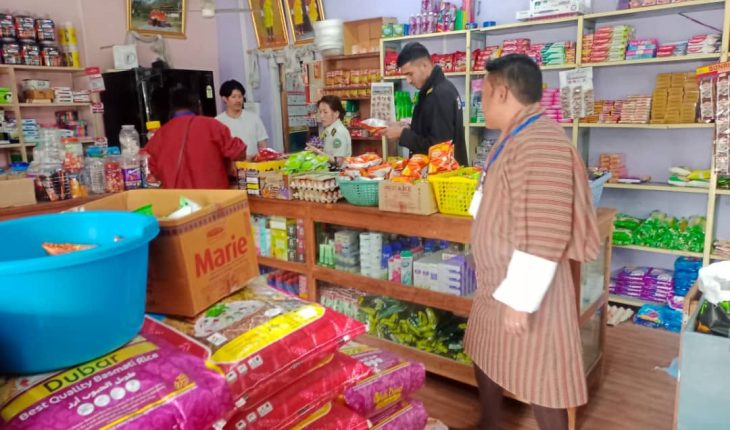
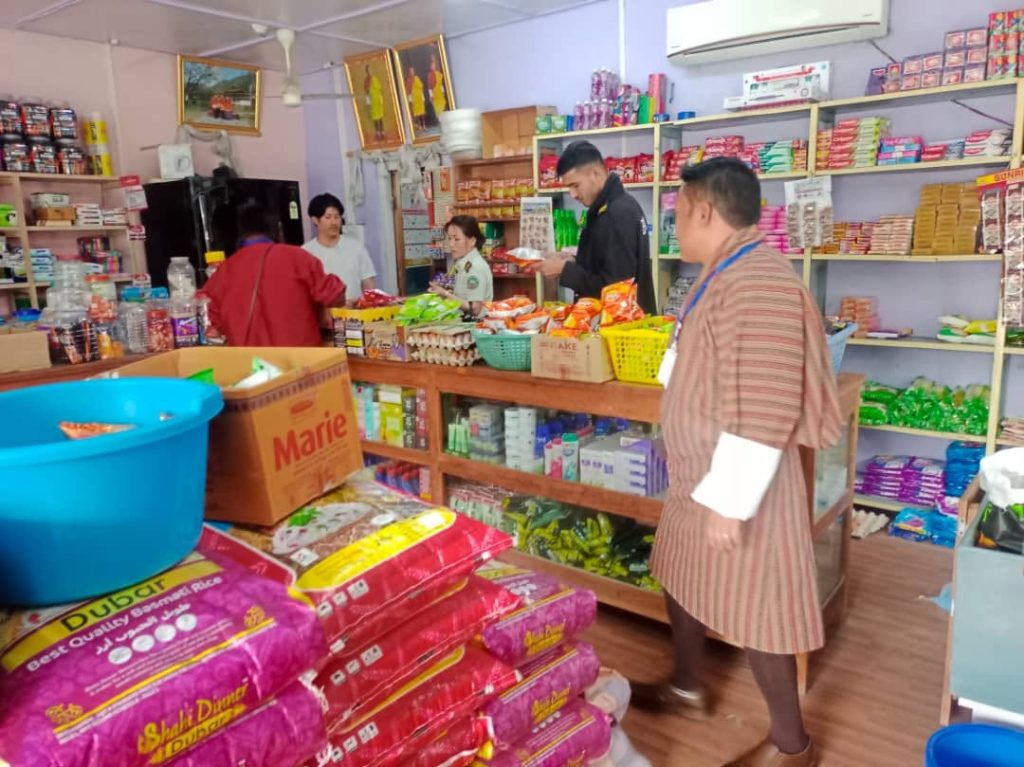
Beyond responding to complaints, CCAA carried out market surveillance across Thimphu, Gasa and Punakha during August, inspecting 156 business entities.
Thimphu accounted for the largest number of inspections, with 99 businesses visited. Of these, 68 were rectified on the spot.
In Gasa, 21 businesses were inspected, including one Fuel Retail Outlet, with seven requiring rectification. In Punakha, CCAA inspected 36 business entities and recorded two rectifications.
The authority said further inspection activity in Punakha was ongoing, while new inspections had also been launched in Wangdue Phodrang Dzongkhag.
CCAA also continued its Price Watch initiative, collecting and monitoring prices of essential food items from major retailers in six markets—Thimphu, Phuentsholing, Gelephu, Samdrupjongkhar, Monggar and Trongsa.
The price information was shared through CCAA’s official Facebook page to provide consumers with timely information and help them make informed purchasing decisions.
The authority also conducted a trial publication of the Thimphu Price Watch in The Bhutanese. CCAA said the initiative received encouraging feedback and demonstrated the potential of using mainstream media to reach a wider audience.
Based on the experience, the authority said it would explore publishing Price Watch information covering all six markets through widely circulated newspapers in the future.
The August report also highlighted concerns emerging from a CCAA study of Bhutan’s retail craft sector in Thimphu and Paro.
The study found that 58 percent of surveyed craft shops had operated for more than a decade. However, about 50 percent of retailers acknowledged that imported goods were sometimes sold as locally made.
The findings also showed that consumers were increasingly concerned about the origin of products. About 84 percent of surveyed consumers said they actively tried to verify the true origin of products before purchasing them.
Another major finding was the widespread use of commissions paid to tour guides. 94 percent of retailers surveyed said they paid commissions to tour guides for referrals.
The study linked the practice to differences in prices paid by tourists and local buyers, finding that tourists paid between 10 and 50 percent more than local buyers for identical products.
To address the concerns, CCAA proposed a national craft certification scheme, requirements for disclosure of product origin and greater transparency around guide commissions.
The authority said the measures would help genuine Bhutanese craftsmanship compete on its merits while providing consumers with accurate information about the products they purchase.
CCAA also released findings from a study examining competition in Thimphu’s meat market. The study found significant variations in the prices of beef, pork, sekam and shakam among different shops.
According to the authority, the price differences indicate that retailers are increasingly setting their own prices instead of following a common price list.
The development follows CCAA’s earlier intervention to stop collective price fixing among meat vendors, followed by training for retailers.
CCAA said the findings suggest that the intervention is working, with most establishments now pricing their products independently. However, the authority noted that continued price monitoring and greater transparency would be necessary to sustain the progress.
Meanwhile, CCAA released the third episode of its “Ask CCAA” video series in August. The in-house series focuses on everyday questions faced by consumers and provides practical information on consumer rights and shopping-related concerns.
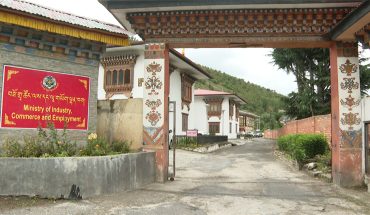
The authority also participated in the Ministry of Industry, Commerce and Employment’s 15-day Dzongkhag Consultation Programme, which concluded on August 24.
The programme covered all 19 dzongkhags and engaged thousands of participants. A CCAA officer accompanied the delegation, which included the minister, senior officials and representatives from various departments and agencies under the ministry.
The consultations also served as a progress review of the Business Regulatory Process Review. Of the 196 regulatory issues identified nationwide, 151 had been resolved, while 31 required further higher-level intervention.
Participants raised concerns related to regulatory clearances, overlapping mandates, business licensing, tourism, labour, infrastructure, market access and private-sector support.
Across the 19 dzongkhags, the consultations highlighted the need to streamline regulatory processes, clarify institutional roles, strengthen coordination among agencies and improve public awareness to support local businesses and economic development.
The CCAA’s August activities reflect its continuing focus on consumer redress, market surveillance, fair competition, price transparency and business regulatory reform.