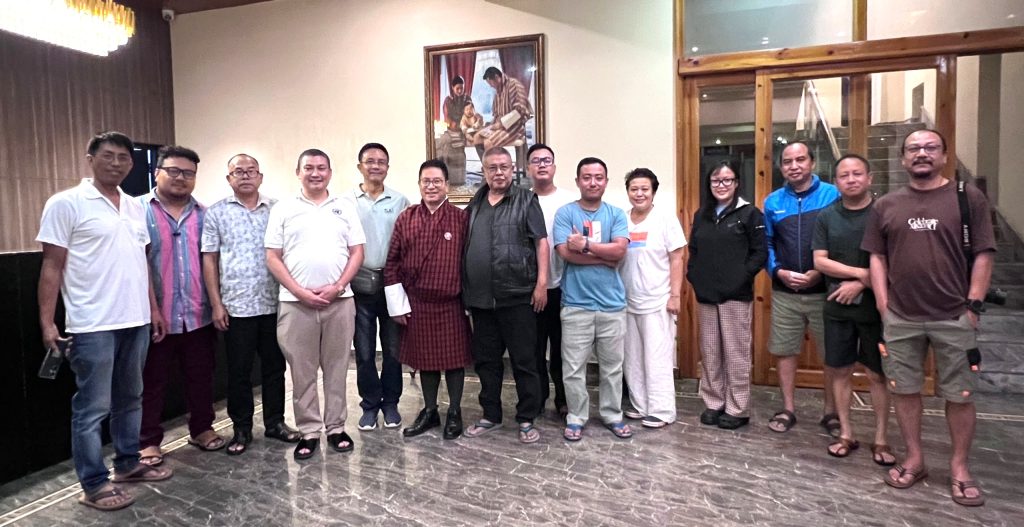
Such interaction is expected to foster cross-border collaboration
By Rinzin Wangchuk
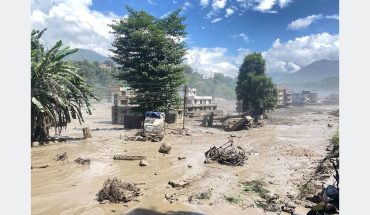
Bhutan and Manipur share the ecological vulnerabilities of the Eastern Himalayas, including intense cloudbursts, flash floods, landslides and changing rainfall patterns caused by climate change.
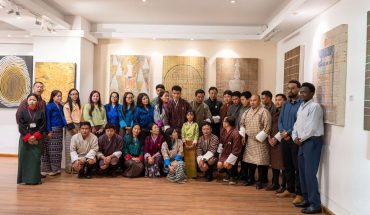
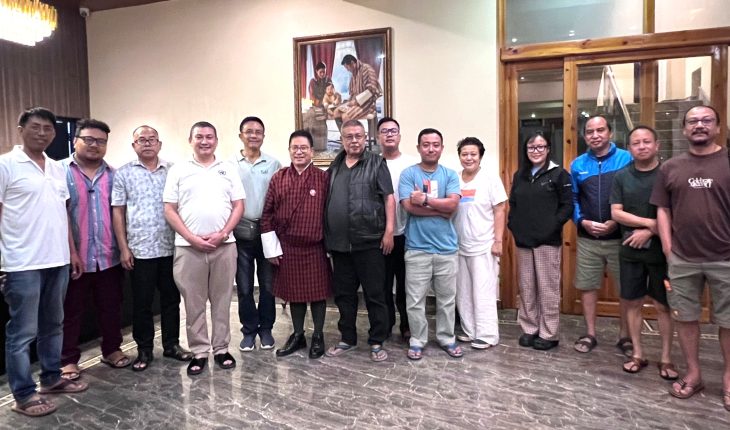
Against this backdrop, a group of 12 journalists and environmentalists from the Media Resource Centre (MRC), Manipur, recently visited Bhutan to explore collaboration with Bhutanese journalists, environmentalists and conservationists.
From interaction to collaboration
The visit could mark the beginning of a more structured exchange between the Journalists’ Association of Bhutan (JAB) and journalists’ organisations in India’s Northeast.
During an interaction with JAB members in Thimphu, senior Imphal-based journalist Sobhapati Samom said the delegation wanted to learn from Bhutan’s experience in spring rejuvenation and community-based water conservation, while also building professional links with Bhutanese journalists.
“Both Manipur and Bhutan face similar vulnerabilities to weather extremes, landslides and flash floods. It is important for us to understand how the media in Bhutan cover environmental and conservation issues,” he said.
He said the visit was also intended to explore closer professional collaboration between journalists in Bhutan and the Northeast.
The discussions covered the changing media landscape, challenges faced by news organisations and the evolving role of journalists in the digital era. Both sides agreed on the need for regular professional exchanges and joint initiatives, particularly in climate change and environmental reporting.
The delegation was also briefed on JAB’s background, role, and mandate.
A changing region
The proposed cooperation comes at a time when Bhutan and India’s Northeast are undergoing significant economic and infrastructure changes.
Gelephu Mindfulness City (GMC), envisioned by His Majesty The King as a spiritual and economic hub, is expected to create new economic opportunities. Prospective railway links between Bhutan and Assam and West Bengal could further increase the movement of people, goods and investment across the region.
These developments will also create stories that go beyond national boundaries.
Connectivity, trade, employment, migration, tourism, environment, culture and community relations are issues that affect people on both sides of the border.
Indian Journalists Union (IJU) president Geetartha Pathak, who is based in Guwahati, Assam, said journalists from Bhutan and the Northeast also face many common challenges, including misinformation, shrinking attention spans and the pressure to deliver news quickly in the digital environment.
“Regular professional exchanges could therefore help journalists understand how their counterparts approach these challenges,” he said.
Turning proposals into action
JAB and IJU have already submitted proposals to the India-Bhutan Foundation (IBF) and the Embassy of India in Bhutan for workshops on navigating the digital media landscape, a cross-border journalism conclave and internships for Bhutanese journalists and media managers in India.
According to the IJU’s proposal to IBF, a media conclave could be held in Guwahati, Shillong or a suitable border town such as Samdrupjongkhar. It could focus on developments linked to GMC and new connectivity projects, as well as the opportunities and challenges they create.
The discussions could include ethical journalism, investigative and collaborative reporting, regional development, environmental issues and socio-cultural exchanges.
More importantly, according to JAB’s proposal, such a forum could identify practical areas of cooperation, including joint reporting, newsroom exchanges, training programmes, shared resources and cross-border story development.
Internships for Bhutanese journalists and media managers in India could also provide opportunities to strengthen professional skills and build networks among journalists in the region.
Learning from Bhutan’s spring revival
During their visit in August, the MRC delegation also studied Bhutan’s experience in reviving and rejuvenating springs, an issue that has become increasingly important amid concerns over water security and climate change.
The team looked at interventions to restore drying springs and the role of communities and civil society organisations in protecting springsheds.
They were particularly interested in the work of the Tarayana Foundation and its engagement with communities in spring rejuvenation.
For the delegation, the questions went beyond the technical aspects of spring restoration. They wanted to understand how communities participate, how the success of interventions is measured and what lessons could be applied in Manipur.
The team also expressed interest in methods of measuring carbon sequestration from springshed restoration and the wider relationship between spring conservation, climate resilience and water security.
Springs remain an important source of water for communities across the Himalayan region. Changing rainfall patterns, climate change and increasing pressure on natural resources are putting many of these traditional water sources at risk.
For journalists, these issues offer an opportunity to move beyond episodic coverage and examine the long-term social and environmental effects of climate change.
The Manipur delegation’s visit therefore opened two related conversations—one on environmental challenges and another on the role of journalists in covering a rapidly changing region.
As Bhutan’s connectivity with India’s Northeast expands and Gelephu develops, more stories will inevitably cross borders.
Building professional relationships between journalists now could help them report those stories with greater context, understanding and cooperation.
The writer is the Executive Director of the Journalists’ Association of Bhutan.