KINLEY KHANDU CHODEN | Thimphu
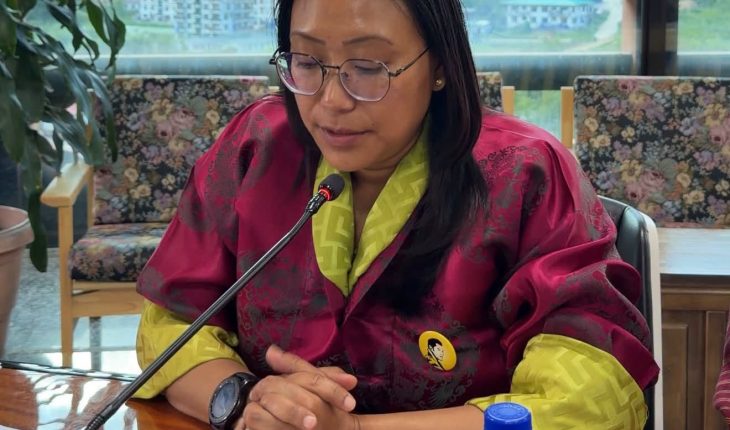
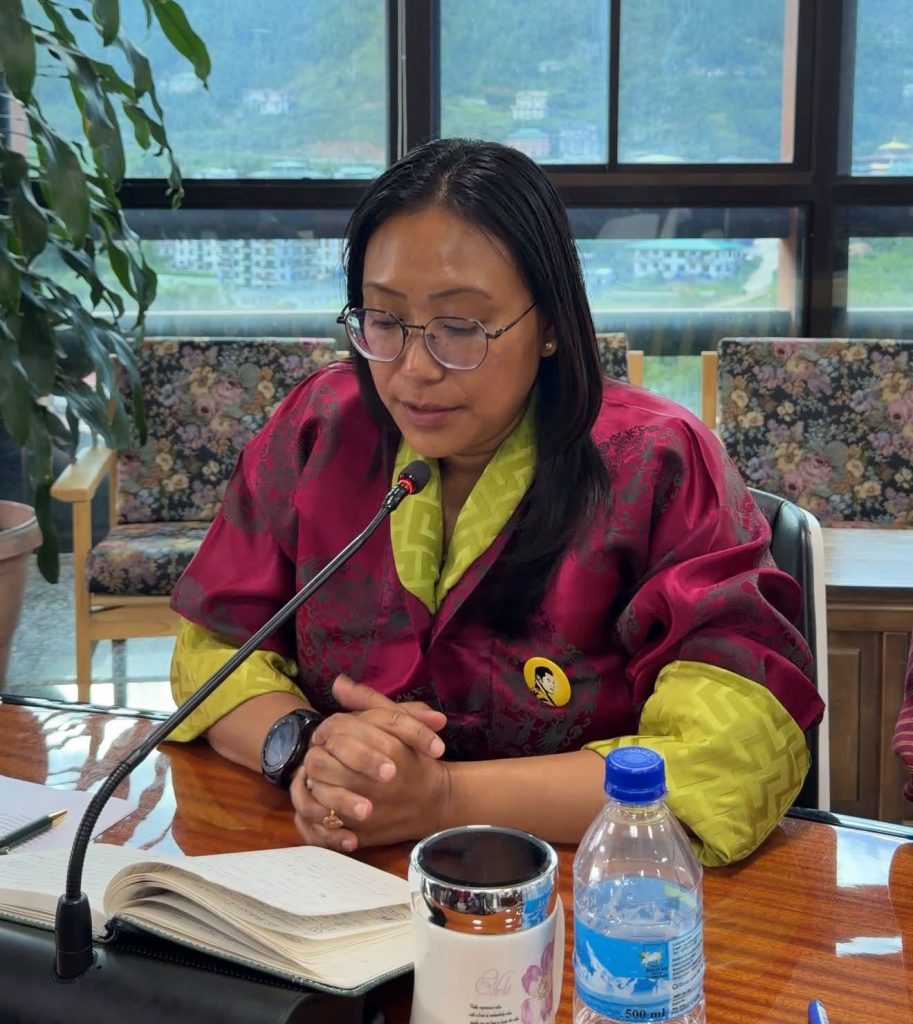
The Minister of Education and Skills Development (MoESD) Yeezang De Thapa says private tuition practice and other supplementary education services are regulated under the TVET Quality and Qualifications Regulation and Quality Standards 2026, while remedial classes and other school-based academic support are being strengthened.
Under the regulatory framework, supplementary education service providers are required to register with the Bhutan Qualifications and Professionals Certification Authority (BQPCA) and comply with minimum standards covering tutor qualifications, class size, learner welfare, child protection, safety and professional conduct.
The recommended class size for supplementary education services is not more than 25 learners. Supplementary education service centres are also permitted to provide tuition only to students from Class VI and above.
Private tuition fees were cited as ranging from Nu 2,000 to Nu 8,000, depending on the number of subjects, while some tuition groups were reported to have around 20 students.
Lyonpo during the meet the press session on 11 Sep said it does not currently prescribe tuition fees for supplementary education services.
“The Ministry does not currently prescribe tuition fees, which are determined by individual providers,” the minister stated. The minister said it is strengthening remedial classes and other school-based academic support for students who require additional academic assistance.
It also acknowledged concerns about the reliance on private tuition, particularly in urban areas, and its implications for students whose families may not be able to afford additional tuition. Kuenga, a teacher, said private tuition has become common partly because some students require more individual attention than they can receive during regular classes.
“Private tuition has become common because some students need more individual attention than they can receive during regular classes. Remedial classes are helpful, but it can be difficult to give every student the same amount of attention when there are many students in a classroom,” Kuenga said.
Kuenga said schools should strengthen academic support within school hours so that students who need additional help can receive it without necessarily having to pay for additional classes. For students, private tuition can provide additional time to ask questions and practise subjects they find difficult.
Sonam Choden, a student who attends private tuition, said some subjects are difficult to understand during regular classes. “I attend private tuition because there are some subjects that I find difficult to understand in regular classes. Tuition gives me more time to ask questions and practise,” she said.
However, she said the cost can become difficult when students take tuition for several subjects. “If schools can provide stronger remedial classes and give students more individual support, I think some students may not need to depend as much on private tuition,” Sonam said.
For parents, private tuition is an additional expense when children take classes in several subjects. Kinzang Dorji, 46, said his family sends their child for tuition to provide additional support in subjects where the child is struggling.
“We send our child for tuition because we want additional support in subjects where the child is struggling. But tuition is an extra expense for the family, especially when the child takes several subjects,” he said.
Kinzang said schools should provide effective remedial classes so students who need additional academic assistance can receive it within the school system. “At the same time, if private tuition continues to be offered, there should be clear standards and transparency about the fees and class sizes,” he said.
According to the minister, there are currently 16 registered Supplementary Education Service Centres in the country. Of these, 10 are in Thimphu, four in Phuentsholing, and one each in Paro and Samdrup Jongkhar.
The minister said supplementary education providers must comply with requirements relating to tutor qualifications, class size, learner welfare, child protection, safety and professional conduct. The recommended limit of 25 learners applies to supplementary education services, while centres are restricted to providing tuition to students from Class VI and above.
On the issue of students who cannot afford private tuition, the minister said it is strengthening remedial classes and other school-based academic support. The ministry said the measures are intended to ensure that students who require additional academic assistance can receive support through the regular education system.
The minister did not provide details of a specific assessment of the impact of private tuition on students who cannot afford it. It said it would continue to monitor the supplementary education sector and review the regulatory framework as the sector evolves.
The review will include issues of affordability and equitable access, according to the ministry. The ministry’s response also outlined the existing requirements for supplementary education service providers, including registration with BQPCA and compliance with standards on tutor qualifications, class size, learner welfare, child protection, safety and professional conduct.
With 16 registered Supplementary Education Service Centres currently operating in Thimphu, Phuentsholing, Paro and Samdrup Jongkhar, the minister said it will continue to monitor the sector and review the regulatory framework, including affordability and equitable access.