…Samtse’s emerging economic transformation
RENUKA RAI | Samtse
Samtse is emerging as one of Bhutan’s key industrial centres, with hundreds of acres of land being developed for industries and millions of ngultrums invested in roads, water, electricity and other infrastructure. Yet businesses say the systems needed to make these industrial investments fully productive have not kept pace with the physical development.
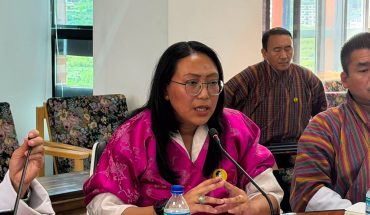
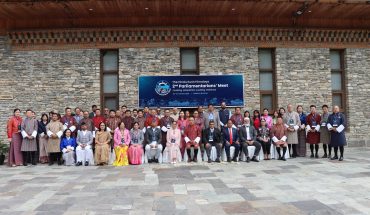
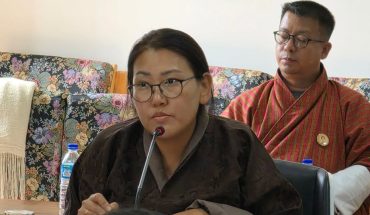
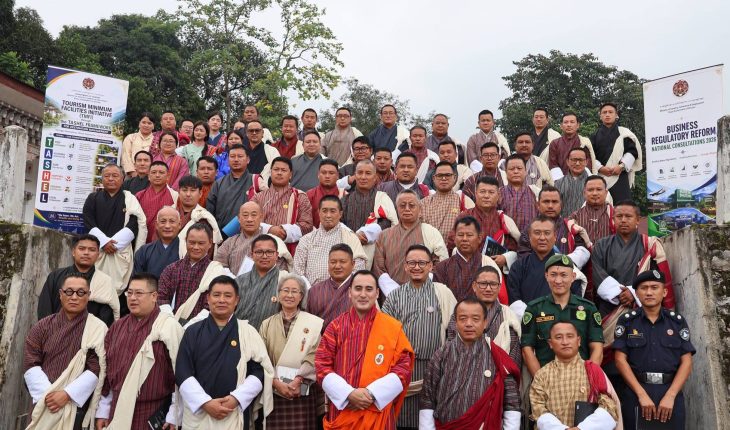
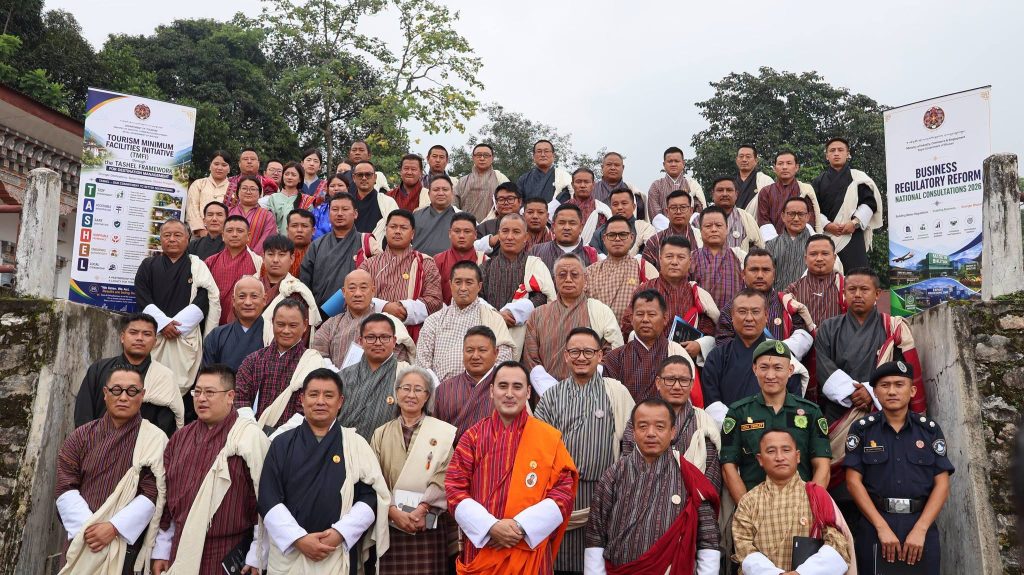
During the Business Regulatory Process Review (BRPR) consultation conducted on 03 August by the Ministry of Industry, Commerce and Employment (MoICE), businesses in Samtse raised concerns ranging from labour shortages and work permit requirements to limited market access, fiscal incentives and inadequate access to government support.
The concerns come at a time when Samtse is trying to move beyond being primarily a border and trading dzongkhag and establish itself as an industrial base.
Businesses said the shortage of labour is one of the most immediate challenges affecting their operations. They pointed out that industries continue to struggle to find workers for different positions, including loaders and unloaders, even when there are people seeking employment.
The absence of permitted loaders and unloaders, they said, has created operational difficulties, particularly in industrial estates such as Dhamdum and Norbugang.
For factories involved in manufacturing and the movement of raw materials and finished products, businesses said the shortage can directly affect production and efficiency.
They also raised concerns over the process of recruiting foreign workers. Businesses said having to book workers through the online labour system can make it difficult to respond quickly to changing workforce requirements.
They said industries often need workers according to production schedules and demand, and delays or limitations in the permit process can affect their ability to maintain operations.
The difference in permitted working hours was another concern. Businesses said day and process workers are allowed eight-hour permits, while technicians, consultants and experts are restricted to six hours.
They argued that this can create difficulties for industries that require technical workers to remain on-site for longer periods, particularly during maintenance, installation and other specialised operations. But labour is not the only constraint.
Businesses also said limited access to markets remains a major challenge for industries in Samtse. While the dzongkhag’s proximity to India gives it an important geographical advantage,
businesses said having production capacity does not necessarily guarantee access to buyers or markets.
Business Owners called for stronger market linkages and greater support from the ministry to help businesses identify opportunities, access information and expand their products beyond the local market.
Fiscal incentives were also raised during the discussions, with businesses seeking a more supportive policy environment that could encourage investment and help industries remain competitive.
For businesses making long-term investments in manufacturing and processing, they said predictable incentives and regulatory policies are important because industrial projects often require significant capital before generating returns.
Another issue raised was limited access to the ministry and relevant government agencies. Businesses said they need easier access to information and timely responses when dealing with regulatory requirements and other challenges.
The concerns point to a broader issue facing Samtse’s industrialisation: while infrastructure is being developed, businesses say the supporting ecosystem must develop at the same pace.
The scale of infrastructure development in Samtse shows how much has already been invested in the industrial vision.
Development of the roughly 350-acre Dhamdum Industrial Park began in 2016, when infrastructure development and site construction started. By 2020, preparations for factory and plant construction had gathered pace as industrial promoters began planning facilities at the site.
Between 2021 and 2025, basic amenities, including roads, water and electricity, progressed significantly. The park was formally inaugurated in February 2025.
In 2026, the focus has shifted towards increasing operational capacity, with additional factories entering construction and efforts being made to address lease arrangements for projects that have progressed slowly.
Dhamdum Industrial Park now covers about 349 acres and has 65 industries, including 60 domestic industries and five foreign direct investment industries. Fifty-six industries are engaged in production and manufacturing, while others are at different stages of development.
The park is intended to support a range of activities, including ferro-alloy and allied heavy industries, food-based industries, wood and forest-based industries, metal and chemical industries, consumer goods and specialty industries, and fabrication and engineering.
Norbugang Industrial Park represents another part of Samtse’s industrial expansion.
The park covers about 184 acres and has industries at different stages of operation and construction. It is also supported by substantial investment in infrastructure, including roads, drainage, water supply and other facilities.
Together, the two parks represent a significant opportunity for Samtse to diversify its economy and create employment.
However, businesses say the challenge now is to ensure that industrial land and infrastructure translate into actual production, jobs and economic activity.
The issue is particularly important because the industrial parks are being developed in a dzongkhag that has a strategic location along the border with India.
Businesses said this location should be used more effectively to expand market opportunities and attract investment.
At the same time, some participants raised the absence of a tourism entry point as another limitation. They said Samtse’s border location and other existing assets could potentially support tourism and related businesses if appropriate systems and entry arrangements were established.
However, MoICE Minister Namgyal Dorji emphasised that Samtse should not look at tourism as its only avenue for economic growth.
The dzongkhag, he said, should make better use of what it already has and explores opportunities beyond tourism.
That approach could be particularly relevant to Samtse’s industrial development. The dzongkhag already has industrial land, border connectivity, existing businesses and infrastructure. The question is how these assets can be connected to create a stronger local economy.
For businesses, however, that will require changes beyond infrastructure.
They say access to labour must become more responsive, regulatory procedures should reflect the practical needs of industries, and businesses should have better access to markets, fiscal incentives and government agencies.
The concerns raised during the BRPR consultation therefore reflect a transition in Samtse’s economic development.
The first phase was about creating the physical foundation industrial land, roads, water systems, electricity and other infrastructure. The next phase is about making that foundation work for businesses.
If industries can operate efficiently, access workers when needed, find markets for their products and receive timely government support, the industrial parks could become important drivers of employment and economic diversification.
But if businesses continue to face gaps in labour, permits, markets and regulatory support, some of the infrastructure may remain underused.
Samtse’s industrial story, therefore, is not simply about how many industries have been established or how much has been spent on industrial parks. It is about whether the wider business environment can keep pace with the infrastructure being built.
The dzongkhag has already laid much of the physical foundation for industrial growth. What businesses are asking now is for the regulatory, labour and market systems to catch up.
For Samtse, the next stage of industrialisation may not require another industrial park. It may require making the existing ones work better.