RENUKA RAI | Pemagatshel
Businesses and residents in Pemagatshel are calling for better market access, lower costs and stronger local economic opportunities, saying regulatory challenges are only part of the difficulties faced by entrepreneurs and farmers in the dzongkhag.
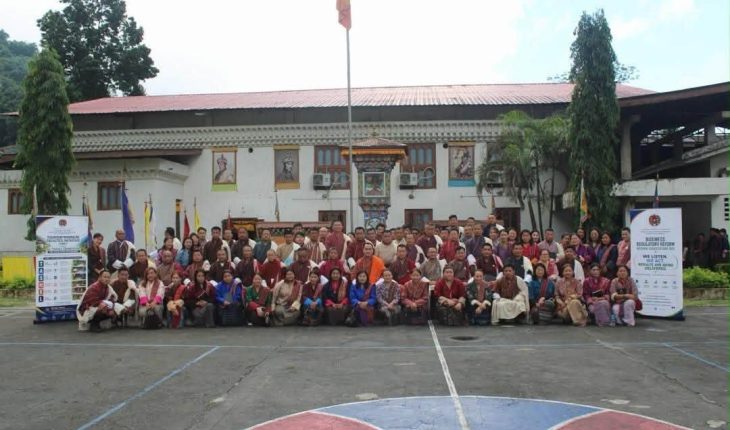
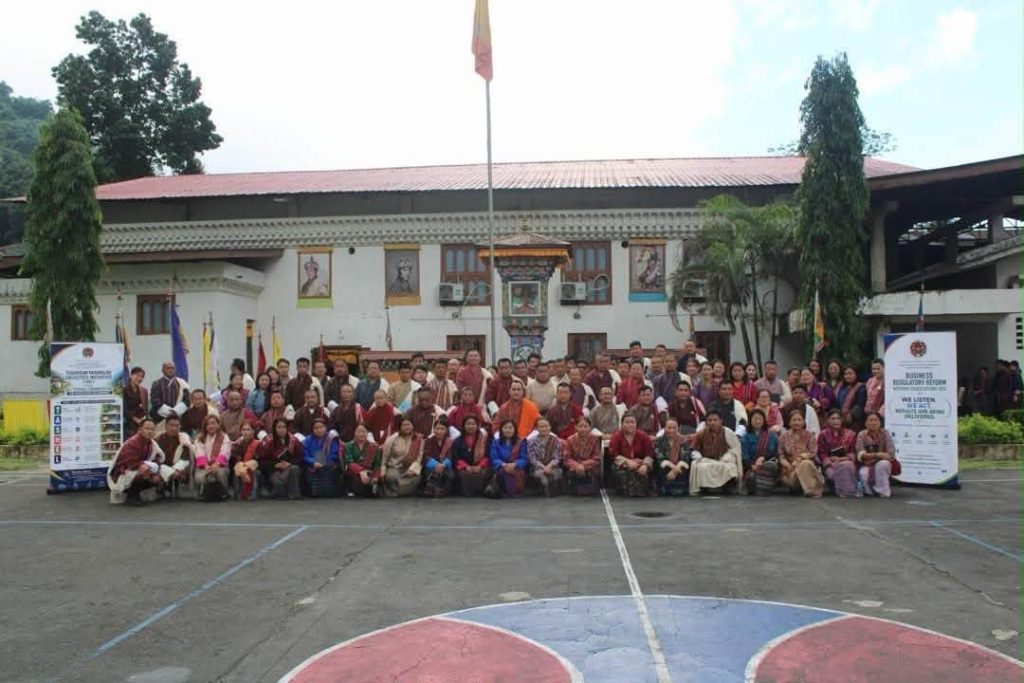
The concerns were raised during consultations on the business regulatory environment in Pemagatshel, where businesses highlighted difficulties ranging from accessing markets and transporting agricultural produce to labour shortages and the migration of young people towards urban areas.
Pemagatshel has 1,244 active business licences, with services and trade accounting for around nine in every ten registered businesses. Small and cottage-scale enterprises dominate the local economy, making up more than 80 percent of licensed businesses.
However, business representatives said having businesses registered and operating locally does not necessarily mean they have easy access to markets.
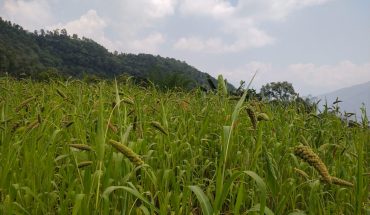
Market access has emerged as a major concern, particularly for people producing agricultural products. Farmers and traders said local produce such as doma and ginger often fetch low prices, making it difficult for producers to earn a reasonable return after accounting for production and transportation costs.
For farmers, the problem is not simply producing more. They need reliable markets where their products can be sold at prices that make production worthwhile. When prices remain low, farmers can be discouraged from expanding production, while some may look for other sources of income.
Businesses also raised concerns about the movement of goods between different parts of the region. According to participants, some products requiring traders to take longer routes through Phuentsholing and Samdrup Jongkhar to reach markets.
They said the additional distance increases transportation costs, takes more time and can reduce the competitiveness of locally produced goods. For agricultural products that are perishable or already selling at low prices, higher transportation expenses can further reduce the income received by producers.
The concern also points to a wider issue for Pemagatshel improving production alone will not be enough unless the dzongkhag can also strengthen its connection to markets.
Businesses therefore called for improved market access and more practical arrangements to facilitate the movement of locally produced goods. They said reducing unnecessary transportation barriers could help local producers reach larger markets and make agriculture and small businesses more viable.
Businesses also called for a reduction in taxes and other costs affecting their operations. For small and cottage-scale enterprises, which make up the majority of Pemagatshel business community, even relatively small increases in operating costs can affect profitability. Businesses said reducing the tax burden and other costs could provide some relief and allow them to reinvest in their operations.
The call comes as businesses are already dealing with regulatory costs, repeated visits to offices and difficulties with documentation. The dzongkhag’s assessment identifies incomplete GST documentation as one of the challenges, with businesses sometimes facing rejections and repeated visits because of incorrect or incomplete paperwork.
Another challenge raised by businesses is the shortage of workers. Business owners said finding and retaining workers has become increasingly difficult, particularly as young people move towards urban centres in search of better employment, education and social opportunities.
The shortage is affecting the ability of businesses to expand. Even when demand exists, businesses may struggle to increase production or operating hours when they cannot find enough workers. Participants said the dzongkhag needs to create an environment where young people can see opportunities for themselves locally instead of feeling that they have to leave for urban areas. One suggestion was to strengthen youth entertainment and recreational opportunities in Pemagatshel.
For Pemagatshel, therefore, the challenge is not only about making it easier to obtain a business licence. It is about creating the conditions for businesses to survive after they open.
A business may receive the required approval, but if it cannot find workers, access markets, transport products affordably or earn enough from sales, regulatory facilitation alone will not guarantee its success.
With 1,244 active businesses, Pemagatshel already has a foundation for a stronger private sector. The next challenge is ensuring that these businesses have the markets, workers, infrastructure and supportive environment needed to grow.
The concerns raised during the consultation therefore point towards a broader question for Pema Gatshel how can the dzongkhag make its local economy attractive enough for businesses to grow, farmers to earn better incomes and young people to build their futures locally?