DAWA ZANGMO | Thimphu
The government is stepping up efforts to prevent childhood lead poisoning by engaging industries, strengthening surveillance and promoting safer household and workplace practices, following a national survey that found unsafe blood lead levels in 76 percent of young children.
More than 100 representatives from manufacturing and industrial enterprises participated in a lead poisoning prevention programme in Thimphu on October 23, organised jointly by the Ministry of Health and UNICEF Bhutan to raise awareness of the health risks associated with lead exposure and identify practical measures to prevent it.
The programme brought together representatives from the Bjemina Industrial Estate, including small and medium-sized enterprises involved in brick production, furniture manufacturing, fabrication, window production and glassworks including NHDCL communities from Mewang geog under Thimphu Dzongkhag. It was the first time representatives from these industries had participated in lead poisoning prevention initiatives.
Bhutan joined the global community to observe the 14th international Lead poisoning prevention week with the theme “Detection to Prevention”. under training include Early Child Care (ECCD) facilitators and Religious Representatives.
Held as part of International Lead Poisoning Prevention Week under the theme “From detection to prevention”, the programme focused on improving workplace safety and reducing the risk of lead exposure among children, families and communities.
Participants learned about household products and other commonly used items that could expose children to lead. Discussions also covered measures to reduce exposure at home and in workplaces, including the safe use of cookware and the importance of identifying potential sources of contamination. Work equipment and personal jewellery belonging to participants were tested for lead content, with all tested items found to be lead-free.
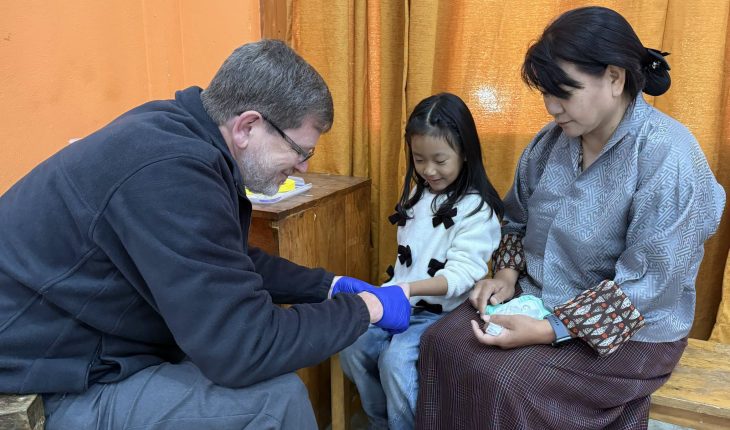
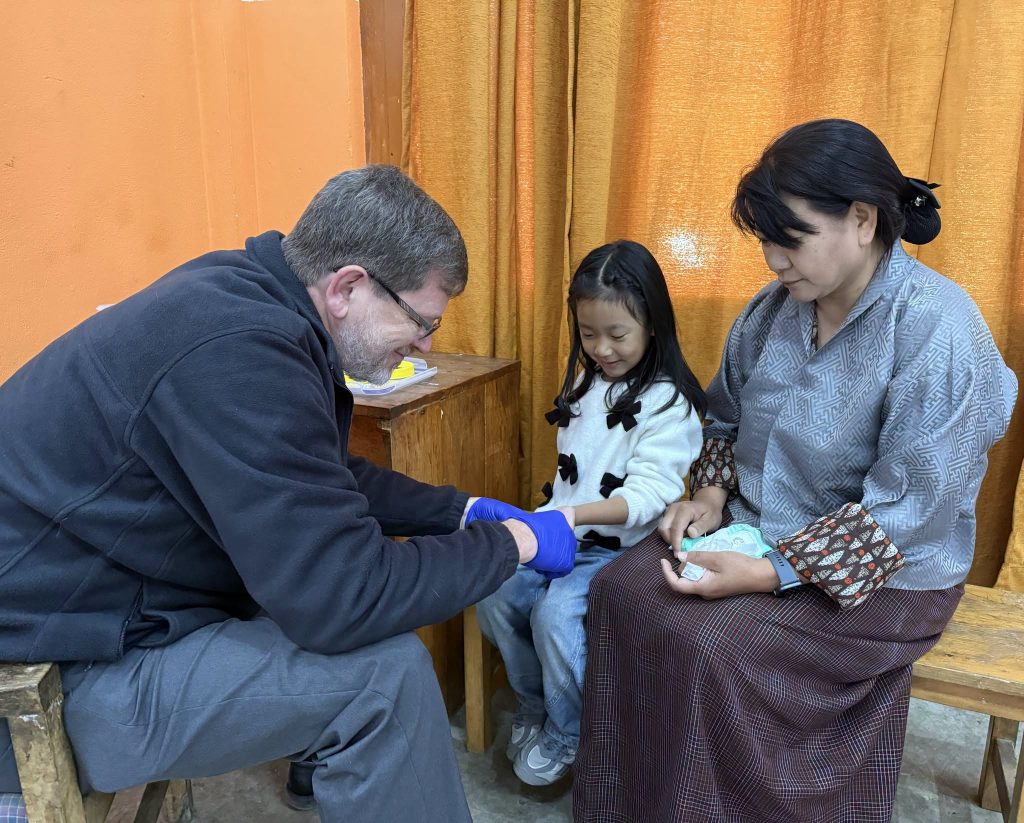
The programme also highlighted the importance of household-level precautions in reducing children’s exposure to lead, with one mother sharing how changes in her family’s daily practices helped lower her daughter’s blood lead level.
Kinley Zam, a mother of two from Gidakom, a community near the industrial estate, said her five-year-old daughter’s blood lead level had declined from 31 micrograms per decilitre (µg/dL) to 4.8 µg/dL over seven months. The latest level was below the World Health Organization’s reference threshold of 5 µg/dL used in the programme.
Kinley said the family made changes after learning that certain household items and toys could contain lead. She removed the suspected items from their home and placed greater emphasis on hand hygiene and maintaining a healthy diet.
She attributed the reduction in her daughter’s blood lead level to these preventive measures, highlighting the role of household practices in limiting children’s exposure to the toxic substance.
Beyond household precautions, the programme emphasised the need for stronger market monitoring and surveillance to identify potential sources of lead in consumer products. Participants also discussed improving coordination among government agencies and industry stakeholders to reduce exposure risks and protect public health.
Bhutan’s first National Blood Lead Level Survey, conducted in 2024, found that 76 percent of young children had unsafe blood lead levels. Elevated levels were also identified among women and children living in monastic institutions, indicating that lead exposure affects vulnerable groups in different settings.
The findings prompted the government and its partners to strengthen efforts to identify and prevent lead exposure. Measures include expanding testing and surveillance, training more than 300 primary health workers on environmental health risks, and engaging private-sector businesses and industries to address potential sources of lead in products, workplaces and surrounding communities.
Lead is a highly toxic substance that can cause permanent damage to children’s developing brains and nervous systems. Exposure, even at low levels, can affect learning, behaviour and overall health, with potential consequences for children’s future earning capacity.
Children below five years of age are particularly vulnerable because their bodies absorb lead more readily than adults. Preventing exposure during early childhood is therefore important to protecting their development and long-term well-being.
An official from Ministry of Heath said lead poisoning often goes undetected despite its consequences for public health and the economy. He stressed the importance of identifying sources of exposure in homes and the wider environment, including household products and everyday consumer goods.
He said shifting the focus from detecting lead exposure to preventing it would help protect children’s health and future prospects.
Bhutan is also working to strengthen its policy and clinical response to lead poisoning. The National Framework for the Prevention and control of Lead Exposure in Bhutan is in the process of submission to cabinet for approval and endorsement. The National Guidelines for the Lead Poisoning prevention and management is under development. Once the guidelines are endorsed, chelation therapy, a medical treatment used to remove certain toxic metals from the body, will be introduced at the Jigme Dorji Wangchuck National Referral Hospital for individuals with elevated blood lead levels.
UNICEF Deputy Representative Fawiza Hoodbhoy said every child should be able to grow up without exposure to lead, which can undermine health, education and future opportunities.
She commended Bhutan’s efforts to move towards prevention and strengthen partnerships to establish safer environments for children.
UNICEF has supported national efforts to improve blood lead testing, surveillance and environmental monitoring by providing testing equipment and essential supplies.
UNICEF said the Royal Government of Bhutan, UNICEF and other partners will continue working to prevent lead exposure, strengthen health systems and improve the safety of environments in which children live, learn and grow.